Remote Operations Centers (ROCs) are changing this model. By connecting operational data, control systems, engineering expertise and real-time communication platforms, companies can monitor geographically dispersed assets from centralized facilities. These centres provide operators with a consolidated view of production, equipment condition, process performance and potential disruptions, enabling faster coordination between field personnel and technical teams.
The concept goes beyond remote monitoring. Modern ROCs are evolving into integrated operating environments where specialists can analyse operating conditions, support field decisions, coordinate maintenance activities and, where authorized, execute remote control actions. As digital infrastructure advances, remote operations are becoming an important part of how oil and gas companies manage reliability, safety and operational performance.
From Site-Based Control Rooms to Centralized Operations
Traditionally, oil and gas assets have relied on local control rooms and site-based teams to monitor equipment, manage processes and respond to operational issues. While this approach provides direct access to field conditions, it can create fragmented information environments across large asset portfolios.
A refinery, offshore platform, pipeline network or production field may operate with its own control systems, monitoring applications and reporting procedures. Information is often distributed between different departments, making it difficult for management and technical specialists to understand how operational conditions are developing across the wider business.
Remote Operations Centers address this challenge by bringing information from multiple assets into a coordinated operating environment. Instead of depending entirely on individual site reports, authorized personnel can access consolidated operational information and collaborate with teams across locations.
This does not mean every operational decision moves away from the field. Critical activities still require local expertise and physical intervention. The change is that field teams gain access to centralized technical support, while remote specialists gain greater visibility into operating conditions.
How a Remote Operations Center Works
A modern ROC combines industrial connectivity, operational control systems, data platforms, visualization tools and communication infrastructure.
How a Remote Operations Center Works
A modern ROC combines industrial connectivity, operational control systems, data platforms, visualization tools and communication infrastructure.
At the field level, sensors, programmable logic controllers, distributed control systems and SCADA platforms collect information from production equipment, pipelines, processing facilities and other industrial assets. This information is transmitted through secure communication networks to centralized monitoring and analytics environments.
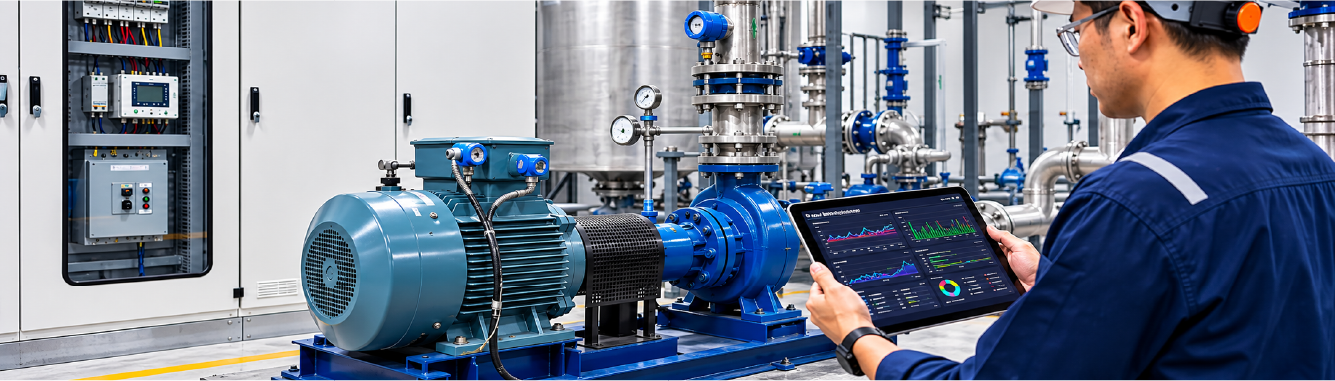
Data platforms then organize information from different sources, allowing operators to view production trends, equipment status, alarms, process conditions and maintenance requirements through integrated dashboards.
The operating centre provides the interface through which personnel monitor assets, investigate abnormal conditions and coordinate responses. Depending on the facility's design and authorization framework, remote teams may also adjust selected operating parameters or initiate approved control actions.
Edge computing can support this architecture by processing time-sensitive information closer to the asset, particularly where connectivity is limited or local response is required. Cloud and enterprise platforms can provide broader data integration and analytics across multiple facilities.
The effectiveness of this model depends on reliable communication, consistent data structures and clearly defined responsibilities between remote personnel and site-based teams.
Predictive Analytics Turns Monitoring Into Proactive Operations
Traditional monitoring systems are largely designed to show current operating conditions and generate alerts when defined limits are exceeded. Remote Operations Centers can extend this capability by incorporating predictive analytics and machine learning.
By analysing historical operating data alongside real-time measurements, analytical models can identify patterns associated with equipment deterioration, abnormal process behaviour and changing production conditions.
For maintenance teams, this can support earlier investigation of pumps, compressors, turbines and other critical equipment. For production engineers, analytics can help identify performance deviations and evaluate potential operating adjustments. In pipeline operations, monitoring data can support the investigation of unusual flow or pressure behaviour.
The integration of predictive analytics changes the role of the ROC from a centre that primarily observes operations into one that helps anticipate and manage operational issues.
However, predictions must be validated against engineering knowledge and actual field conditions. Analytical recommendations should support established operating procedures rather than bypass operational authority.
Remote Operations Are Reshaping Offshore and Remote Asset Management
Offshore platforms and remote production facilities face specific operational constraints. Personnel movement, logistics, weather conditions and access to specialized equipment can make maintenance and troubleshooting more complicated.
Remote operating models can reduce the need for some routine site visits by enabling specialists to review equipment conditions, assess operational data and provide technical support from centralized locations.
A recent example comes from the North Sea, where Aker BP and FourPhase completed a remote solids-management operation through Aker BP's Gnist centre. The 2025 project involved a two-month programme covering two wells, with remote coordination of solids-handling operations. The companies reported that the operation reduced offshore personnel requirements to four operators. https://www.worldoil.com/news/2025/9/25/aker-bp-fourphase-deliver-industry-first-remote-solids-management-project-in-north-sea/
Such developments demonstrate how remote operations can support activities beyond conventional monitoring. They can also change how specialized engineering services, intervention planning and offshore resources are coordinated.
The objective is not to eliminate offshore personnel. It is to reduce unnecessary exposure, improve access to expertise and ensure that physical resources are deployed where they are operationally required.
Integrating Digital Twins With Remote Operations
Digital twins can add another layer of intelligence to Remote Operations Centers by connecting operational information with engineering models and asset representations.
Integrating Digital Twins With Remote Operations
Digital twins can add another layer of intelligence to Remote Operations Centers by connecting operational information with engineering models and asset representations.
A digital twin can help remote teams understand how equipment or processes are expected to behave under different operating conditions. When connected to reliable operational data, it can support performance analysis, maintenance planning and scenario evaluation.
For example, a remote team monitoring a compressor station could use a digital representation to examine equipment performance and assess the potential impact of changing operating conditions. In a refinery, connected process models may help engineers evaluate operating scenarios before recommending adjustments.
The combination of digital twins and remote operations is particularly valuable when companies want to move beyond monitoring individual equipment toward understanding the performance of interconnected systems.
Its success depends on maintaining accurate engineering information, reliable operational data and appropriate model validation.
The Human and Organizational Changes Behind Remote Operations
Technology alone cannot create an effective Remote Operations Center. Centralizing information and engineering resources also changes how operational responsibilities are distributed.
The Human and Organizational Changes Behind Remote Operations
Technology alone cannot create an effective Remote Operations Center. Centralizing information and engineering resources also changes how operational responsibilities are distributed.
Field personnel must understand how to work with remote specialists, while central teams need sufficient knowledge of site conditions and operating procedures to provide meaningful support. Clear escalation processes are essential, particularly when abnormal conditions require immediate action.
Organizations also need to define which activities can be monitored remotely, which decisions can be supported centrally and which actions must remain under the authority of personnel at the asset.
Training is equally important. Operators and engineers need to interpret integrated dashboards, understand analytical recommendations and work effectively across digital communication environments.
A successful ROC should strengthen collaboration between field and central teams rather than create another layer of operational administration.
The Future of Remote Operations in Oil & Gas
Remote Operations Centers are likely to become increasingly connected with AI-enabled analytics, intelligent automation, digital twins and enterprise asset management platforms. As these capabilities mature, centralized teams will be able to coordinate a wider range of monitoring, engineering and maintenance activities.
The next stage will not necessarily involve fully autonomous control across every asset. Oil and gas operations require strict attention to process safety, local conditions and operational authority. Instead, the industry is moving toward a model in which routine monitoring becomes more automated, technical expertise is more accessible and decisions are supported by a stronger combination of real-time information and predictive intelligence.
For companies operating geographically distributed assets, this represents a significant opportunity to rethink how operations are organized.
The real value of a Remote Operations Center lies not in moving every operator away from the asset, but in connecting field knowledge, engineering expertise and operational intelligence into a coordinated system that helps every asset perform more reliably.
Explore the Future of Oil & Gas Operations
Explore the Future of Oil & Gas Operations
The Future of Oil & Natural Gas Conference 2026, organised by PTN Events, brings together professionals from across the oil and gas value chain to examine the technologies and operating strategies shaping the industry's next phase.
Remote operations, industrial automation, digital infrastructure, intelligent asset management, AI and operational performance are increasingly important as companies modernize facilities and strengthen their ability to manage complex assets.
Explore the conference:
https://ptnevents.com/conferences/future-oil
Categories
Oil & Gas Digitalization