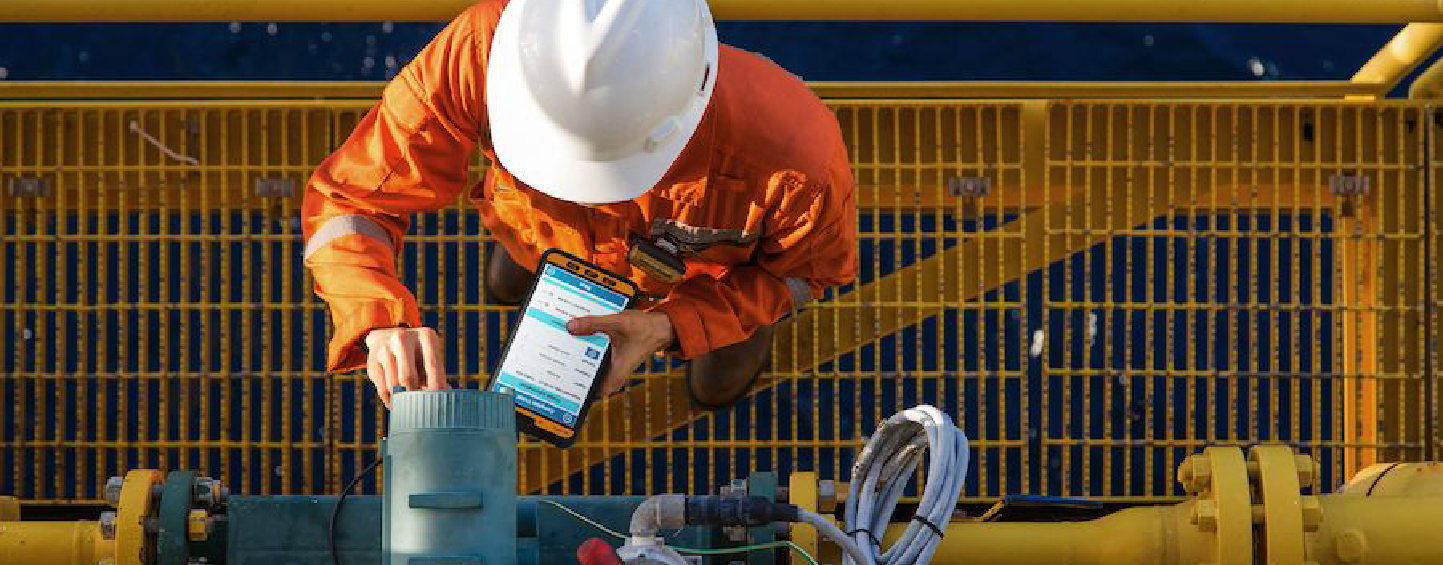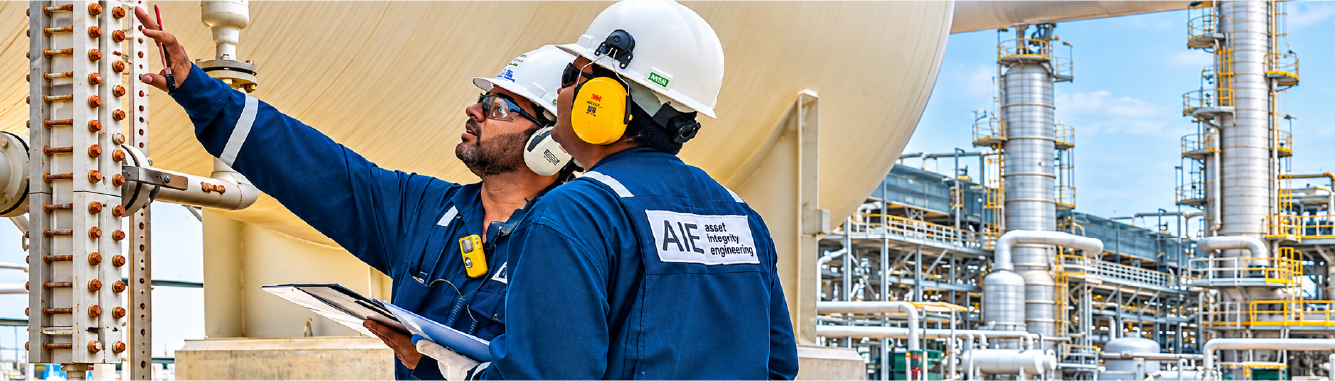
Artificial intelligence (AI), industrial automation, Internet of Things (IoT), robotics, digital twins and advanced analytics are changing how oil and gas assets are monitored, maintained and optimized. These technologies are no longer limited to experimental projects. Indian companies are beginning to deploy them across production wells, pipeline networks, refineries and other critical infrastructure.
The shift is also visible in the priorities of major public-sector companies. IndianOil’s Project SPRINT, for example, identifies AI, automation and digital supply chains as important technology priorities across its business operations. The broader direction is clear: India’s next phase of oil and gas development will depend not only on expanding physical infrastructure, but also on making existing and new assets more intelligent, connected and responsive.
From Conventional Operations to Intelligent Oil & Gas Assets
Oil and gas facilities generate enormous volumes of operational information through sensors, control systems, equipment monitoring platforms and engineering applications. Historically, much of this information has been used for local monitoring and reporting. The growing integration of industrial data platforms and analytics is making it possible to use that information more effectively across entire operations.
An intelligent asset combines physical equipment with connected instrumentation, automated control, operational data and analytical capabilities. Instead of relying exclusively on scheduled inspections or manual reporting, operators can gain continuous visibility into equipment condition, production performance and operating conditions.
This development is particularly relevant to India, where companies manage geographically distributed production fields, offshore facilities, refineries, terminals and extensive pipeline networks. Connected operating environments can help organizations coordinate activities across locations while improving asset reliability and decision-making.
AI and Automation Are Reshaping Upstream Operations
In exploration and production, technology adoption is increasingly focused on improving subsurface understanding, drilling performance and production optimization. Geological interpretation, reservoir modelling and drilling operations involve complex datasets that can be difficult to evaluate through conventional workflows alone.
AI and machine learning are helping geoscientists and engineers identify patterns in seismic information, improve reservoir characterization and support more informed drilling decisions. Predictive models can also assist with identifying potential drilling complications, monitoring production behaviour and evaluating well performance.
India’s upstream sector is already demonstrating these applications. The Government of India’s Public Enterprises Survey 2024–25 reports that ONGC developed SeisInvert, an in-house convolutional neural network-based seismic inversion technology. The report also records AI and machine learning applications in waterflood optimization, offshore production monitoring, reservoir modelling and drilling complication prediction. ONGC’s Real-Time Drilling Operations Centre supports centralized monitoring, while its Digital Well Program is designed to standardize and automate well planning.
Digital Oilfields Are Bringing Field Operations Closer to Real Time
One of the most significant developments in upstream digitalization is the emergence of connected digital oilfields. These environments integrate wellhead instrumentation, telemetry, communication networks, edge devices and cloud-based platforms to provide a more unified view of production operations.
A recent example is Oil India Limited’s large-scale digital wellhead monitoring initiative, launched in June 2026. The deployment connects real-time information from 77 production wells across 46 plinths through an integrated edge-to-cloud monitoring environment. It incorporates 482 field devices, including sensors, gauges and telemetry infrastructure, creating a digital foundation for production analytics, predictive maintenance and workflow automation. <Cite refs={["turn979576view1"]}/>
The significance extends beyond remote monitoring. When well-level information becomes available through a connected platform, production teams can identify operating changes earlier, compare performance across wells and make more informed intervention decisions. As these platforms develop, they can support wider integration of asset lifecycle management, digital twins and AI-assisted production optimization.
Pipeline and Terminal Automation Is Strengthening Infrastructure Operations
India’s expanding pipeline and gas infrastructure requires increasingly sophisticated monitoring and control capabilities. Long-distance networks operate across different geographical conditions and must maintain flow reliability, pressure control, equipment availability and asset integrity.
Modern supervisory control and data acquisition (SCADA) platforms provide continuous visibility into pipeline conditions, while centralized monitoring systems allow operators to coordinate activities across multiple locations.
IndianOil’s Centralized Pipeline Information Management System (CPIMS), supported by ABB’s SCADAvantage platform, demonstrates this direction. The project covers a cross-country pipeline network spanning more than 20,000 km and is designed to improve centralized monitoring, operational coordination, cybersecurity and disaster recovery. <Cite refs={["turn979576view2"]}/>
For pipeline operators, the next stage involves combining SCADA information with predictive analytics, intelligent leak detection, equipment condition monitoring and maintenance planning. These capabilities can help identify abnormal operating conditions and support earlier responses to potential failures.
At terminals, similar automation developments are improving visibility into storage levels, loading and unloading operations, equipment performance and product movements. Integrating these systems with enterprise planning platforms can provide a more consistent operational picture across infrastructure networks.
Intelligent Refineries Through Advanced Process Automation
Refineries are among the most complex industrial facilities in the oil and gas value chain. Their performance depends on the coordinated operation of process units, rotating equipment, utilities, control systems, maintenance functions and product movement.
Advanced process control and industrial analytics are helping refineries move beyond conventional control strategies. These systems can analyse process variables, identify operating inefficiencies and support more consistent production performance.
AI-based process optimization can also help engineers evaluate operating conditions and identify opportunities to improve throughput, product quality and equipment utilization. When combined with manufacturing execution systems, historians and enterprise asset management platforms, these technologies provide a stronger connection between plant-floor operations and management decisions.
IndianOil’s 2025–26 annual report identifies advanced analytics, AI-driven process optimization and digital infrastructure as part of its wider technology agenda. The company also highlights the role of digital capabilities in predictive maintenance, intelligent automation and operational efficiency.
Building the Digital Foundation for Intelligent Operations
Advanced technologies cannot deliver consistent results without a dependable digital foundation. Many oil and gas facilities operate a combination of legacy control systems, specialized engineering applications and newer enterprise platforms. Connecting these environments requires careful attention to interoperability, data quality and cybersecurity.
Companies need to establish common approaches to industrial data collection, asset identification, system integration and information governance. Edge computing can process selected operational information closer to the equipment, while cloud platforms can support wider analytics and enterprise-level visibility.
Cybersecurity must also remain central to this development. Greater connectivity between information technology and operational technology environments creates additional requirements for network segmentation, secure remote access, identity management and continuous monitoring.
The objective is not simply to introduce more digital applications. It is to create an integrated operating environment in which information can move securely between systems and support decisions at the appropriate level of the organization.
The Future of Intelligent Oil & Gas Operations in India
India’s next wave of oil and gas technology will be shaped by the convergence of automation, AI, connected infrastructure and intelligent asset management. As digital oilfields, centralized pipeline monitoring, advanced refinery controls and predictive maintenance systems mature, companies will have greater opportunities to manage operations through integrated and data-driven models.
The direction is not necessarily toward fully autonomous facilities in the immediate future. Rather, the industry is moving toward operations in which routine monitoring becomes increasingly automated, equipment conditions are assessed more continuously and technical teams receive better information to make timely decisions.
For Indian oil and gas companies, the competitive advantage will come from applying these technologies at scale and connecting them to measurable improvements in reliability, productivity, safety and asset performance.
The next generation of oil and gas assets will not be defined only by their physical capacity. It will be defined by how intelligently they operate, how effectively they use data and how quickly they can respond to changing operational conditions.
Explore the Future of Oil & Gas Technology
Explore the Future of Oil & Gas Technology
The Future of Oil & Natural Gas Conference 2026, organised by PTN Events, brings together professionals from across the oil and gas value chain to discuss the technologies, infrastructure developments and operational strategies shaping the industry's next phase.
Discussions around digital operations, industrial automation, AI, intelligent assets, asset integrity, advanced technologies and operational performance are increasingly important as companies modernize their facilities and strengthen their capabilities.
Explore the conference:
https://ptnevents.com/conferences/future-oil
Categories
Oil & Gas Technology