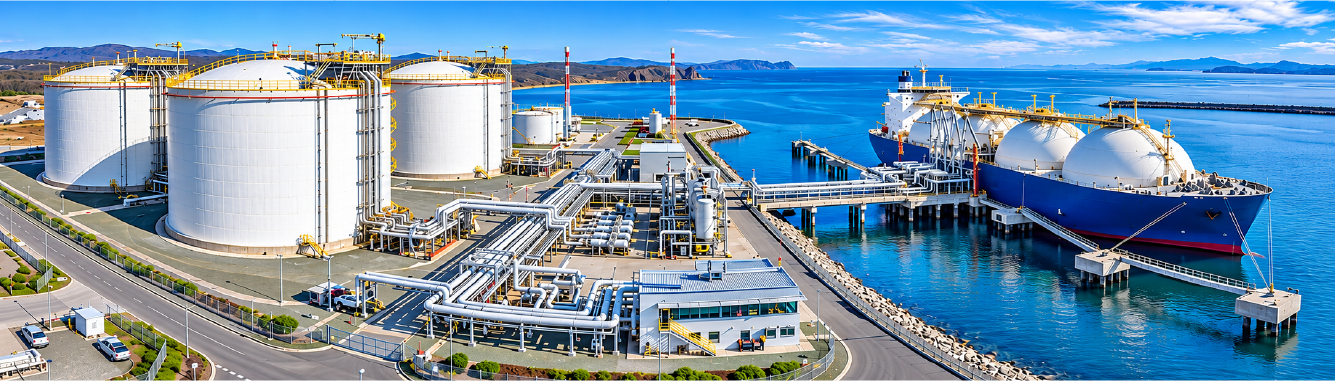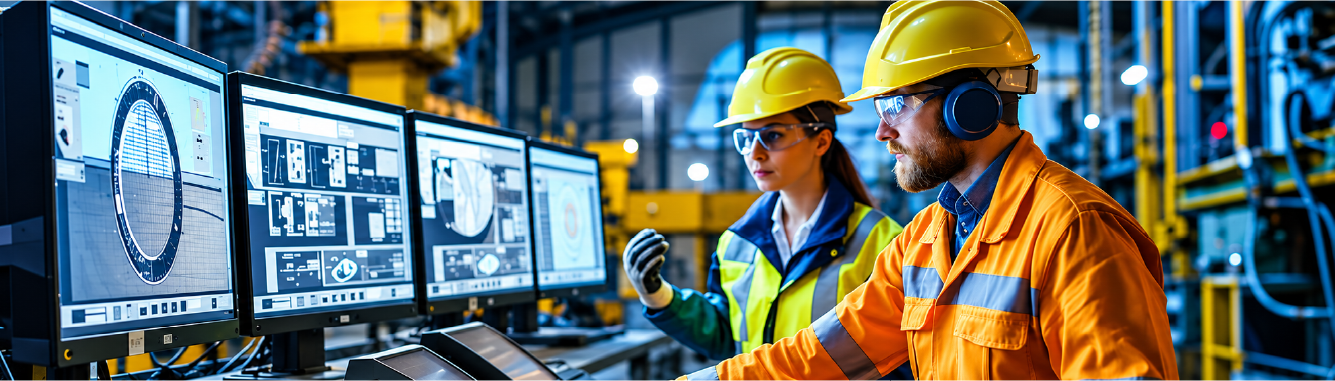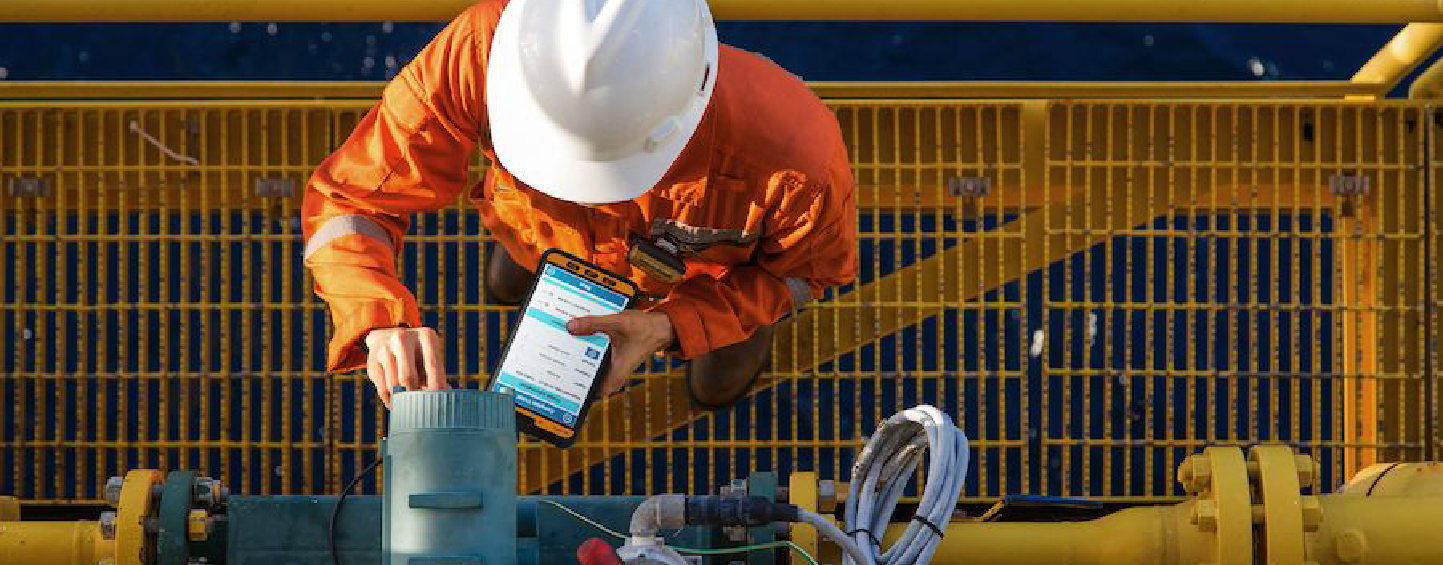
This network faces multiple pressures. Geopolitical uncertainty, shipping disruptions, changing global prices, concentrated supply sources, infrastructure constraints and rising domestic demand can all affect the movement and availability of essential fuels. Strengthening resilience therefore requires more than securing additional imports. It requires an integrated supply-chain model that can anticipate disruptions, respond quickly and maintain continuity across the entire value chain.
India is already making investments in this direction. Pipeline expansion, strategic storage, supply-source diversification, refinery modernization and digital infrastructure are reshaping how the country's oil and gas resources are transported and managed.
The next challenge is to connect these developments into a more coordinated, visible and responsive supply chain.
Why Supply Chain Resilience Matters for India’s Oil & Gas Sector
Why Supply Chain Resilience Matters for India’s Oil & Gas Sector
India’s dependence on imported hydrocarbons exposes its supply chain to developments beyond its domestic control.
According to the Council on Energy, Environment and Water (CEEW), India imported approximately 88% of its crude oil and nearly 48% of its natural gas in 2024. The study also highlights vulnerabilities associated with supplier concentration, shipping routes, storage limitations and international price volatility.
These risks can extend across the domestic economy.
A disruption in crude supply can affect refinery feedstock availability, petroleum product production and distribution. Delays in LNG shipments can influence gas availability for fertilizer plants, industrial consumers and city gas networks. Shipping constraints can increase transportation costs, while infrastructure bottlenecks can delay the movement of products from refineries to consumption centers.
For oil and gas companies, resilience must therefore be built across several interconnected priorities:
- Diversifying international supply sources.
- Strengthening port and terminal infrastructure.
- Expanding crude and petroleum product pipelines.
- Improving strategic and commercial storage.
- Enhancing refinery and distribution flexibility.
- Increasing visibility across logistics operations.
- Using digital systems to identify and manage disruptions.
The objective is to reduce the impact of individual disruptions before they affect the wider supply network.
Expanding Pipeline Infrastructure to Improve Domestic Connectivity
Expanding Pipeline Infrastructure to Improve Domestic Connectivity
Pipelines are among the most important components of India's petroleum logistics network. They enable the continuous movement of crude oil from import terminals and production locations to refineries, while product pipelines connect refineries with inland consumption centers.
India's pipeline infrastructure has expanded considerably. A January 2026 government backgrounder reported that the natural gas pipeline network had exceeded 25,400 km, with another 10,459 km under construction. Separately, a January 2026 coastal shipping report recorded more than 10,000 km of crude oil pipelines and approximately 24,000 km of petroleum, oil and lubricant product pipelines as of November 2025.
These networks support more than transportation capacity. They help reduce dependence on longer road and coastal movements, improve delivery consistency and connect major industrial and consumption markets.
Recent infrastructure investments also demonstrate the importance of strengthening links between ports, refineries and regional markets. IndianOil's 2025–26 annual report highlights progress on the New Mundra–Panipat Crude Oil Pipeline, augmentation of the Salaya–Mathura pipeline and development of the 2,805-km Kandla–Gorakhpur LPG pipeline.
As networks expand, operators will need to focus on pipeline integrity, capacity utilization, pumping efficiency, maintenance planning and coordination between connected facilities.
Strategic Storage as a Supply Chain Buffer
Strategic Storage as a Supply Chain Buffer
Storage infrastructure provides an important buffer between international supply conditions and domestic consumption requirements.
India's Strategic Petroleum Reserves (SPR) programme is designed to maintain crude oil stocks that can be accessed during supply disruptions. Existing facilities at Visakhapatnam, Mangaluru and Padur have a combined capacity of 5.33 million metric tonnes (MMT).
The government has also been exploring additional storage capacity and international strategic storage collaborations. The Department of Economic Affairs' May 2026 review highlighted potential cooperation with ADNOC that could enable storage of up to 30 million barrels of crude oil, including arrangements involving storage in Fujairah.
However, resilience requires more than building storage capacity.
Companies must determine where inventories should be positioned, how much stock should be maintained, which products require priority allocation and how quickly reserves can be released into the supply network.
Commercial inventory management also needs to balance security with cost. Excessive stockholding can increase working-capital requirements, while insufficient inventory can expose operations to delivery delays and market volatility.
Digital inventory monitoring and demand forecasting can help organizations make these decisions with greater accuracy.
Building More Flexible Refining and Distribution Networks
Building More Flexible Refining and Distribution Networks
Refineries sit at the center of India's downstream supply chain. Their ability to process different crude grades, adjust product output and maintain reliable operations directly influences domestic fuel availability.
Supply-chain resilience therefore depends on connecting refinery planning with procurement, storage, transportation and market demand.
This includes:
- Aligning crude procurement with refinery configurations.
- Maintaining flexibility in crude sourcing.
- Coordinating maintenance with inventory requirements.
- Improving product storage and dispatch planning.
- Balancing regional demand and supply.
- Strengthening connectivity with distribution terminals.
- Reducing unplanned operational interruptions.
The distribution network is equally important. Petroleum products must move from refineries and terminals to depots, retail outlets, industrial consumers and other end users.
IndianOil's 2025–26 annual report highlights targeted investment in terminals and depots to strengthen downstream supply-chain resilience. Such modernization can improve product availability, storage management and distribution efficiency across different regions.
A resilient downstream network must be capable of adjusting to changes in demand without creating unnecessary bottlenecks at refineries, terminals or distribution points.
Digitalization Is Changing How Supply Chains Are Managed
Physical infrastructure provides the capacity to move and store hydrocarbons. Digital infrastructure provides the visibility and intelligence required to coordinate those movements.
Digitalization Is Changing How Supply Chains Are Managed
Physical infrastructure provides the capacity to move and store hydrocarbons. Digital infrastructure provides the visibility and intelligence required to coordinate those movements.
Traditional supply-chain management often relies on information distributed across procurement platforms, terminal systems, refinery applications, pipeline control environments, warehouse records and transportation networks. When these systems operate independently, companies may struggle to establish a consistent view of inventory, cargo movements and potential disruptions.
Digital platforms can connect these operational environments and provide a more complete picture of supply-chain performance.
Key applications include:
Real-Time Shipment and Inventory Visibility
Digital tracking systems can help monitor vessel movements, cargo status, terminal inventories, product availability and delivery schedules. This allows logistics teams to identify delays and adjust procurement or distribution plans.
Real-Time Shipment and Inventory Visibility
Digital tracking systems can help monitor vessel movements, cargo status, terminal inventories, product availability and delivery schedules. This allows logistics teams to identify delays and adjust procurement or distribution plans.
Predictive Demand Forecasting
Analytics models can combine historical consumption, seasonal demand, industrial activity, market conditions and regional inventory data to improve demand forecasts.
Predictive Maintenance
Condition-monitoring systems can identify developing equipment issues across pumps, compressors, storage facilities and pipeline infrastructure. Earlier intervention can reduce unexpected downtime and transportation interruptions.
Cybersecurity and Data Integration Must Support Resilience
Greater digital connectivity also introduces new operational risks.
Oil and gas supply chains depend on critical operational technology, including pipeline control systems, terminal automation, refinery control environments and industrial communication networks. Connecting these systems to enterprise applications and cloud platforms requires careful cybersecurity management.
Companies need to address:
- Secure communication between IT and OT environments.
- Network segmentation.
- Identity and access management.
- Protection of industrial control systems.
- Third-party and vendor access.
- Data integrity and system availability.
- Incident detection and response.
- Backup and recovery procedures.
Data integration is another major requirement. Different facilities may use different systems, equipment identifiers, data formats and reporting standards. Without common data structures and clear ownership, enterprise-wide visibility remains difficult to achieve.
A resilient digital supply chain must therefore be built on reliable data, interoperable systems and cybersecurity controls that protect both business and operational environments.
The Future of India's Oil & Gas Supply Chain
The Future of India's Oil & Gas Supply Chain
India's oil and gas supply chain will face increasing complexity as domestic demand grows and international markets remain exposed to geopolitical, logistical and commercial uncertainty.
The long-term challenge is not simply to secure more supply or construct additional infrastructure. It is to ensure that resources can move reliably from international suppliers and domestic production locations to refineries, industrial facilities and consumers.
Organizations that combine infrastructure investment with digital supply-chain intelligence will be better positioned to anticipate disruptions, optimize inventory, coordinate logistics and maintain operational continuity.
The future of supply-chain resilience will depend on how effectively India connects its physical infrastructure with real-time data, predictive intelligence and coordinated decision-making across the oil and gas value chain.
Categories
Oil & Gas Supply Chain