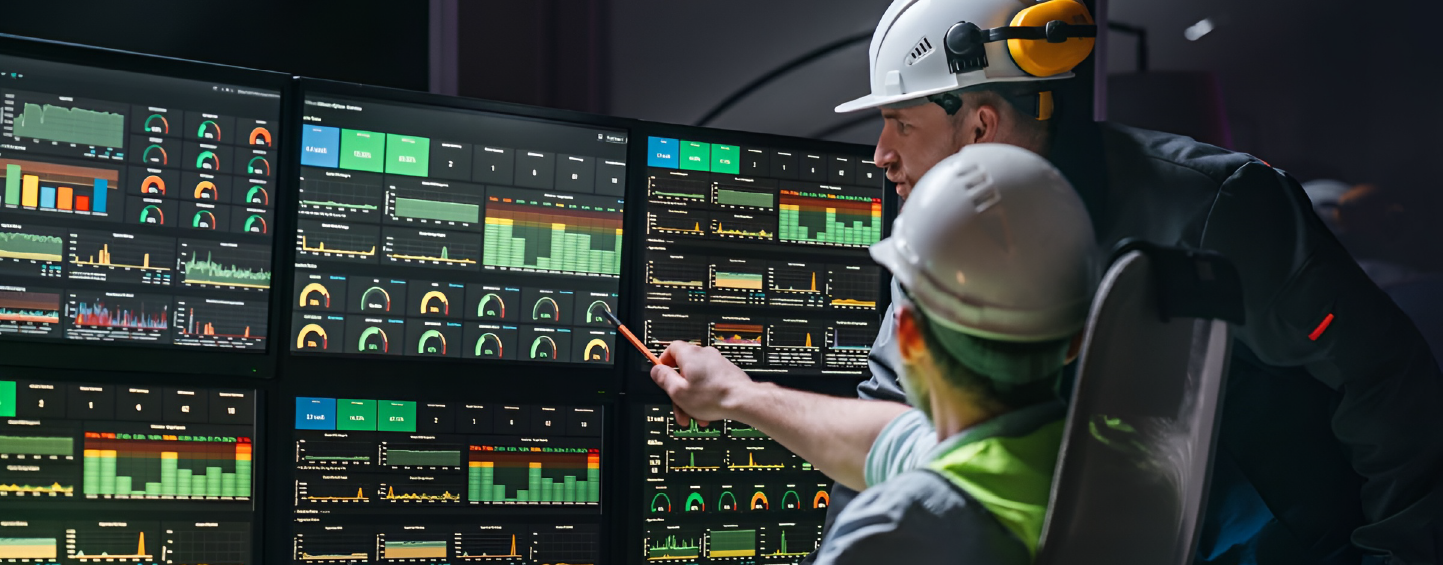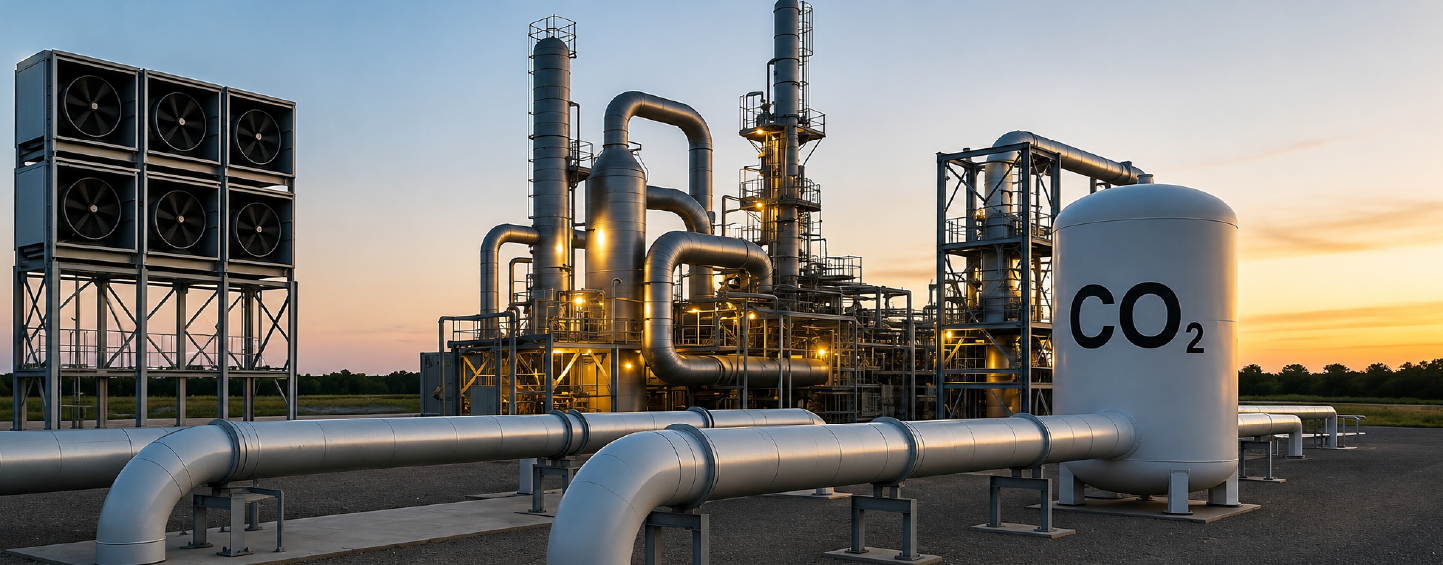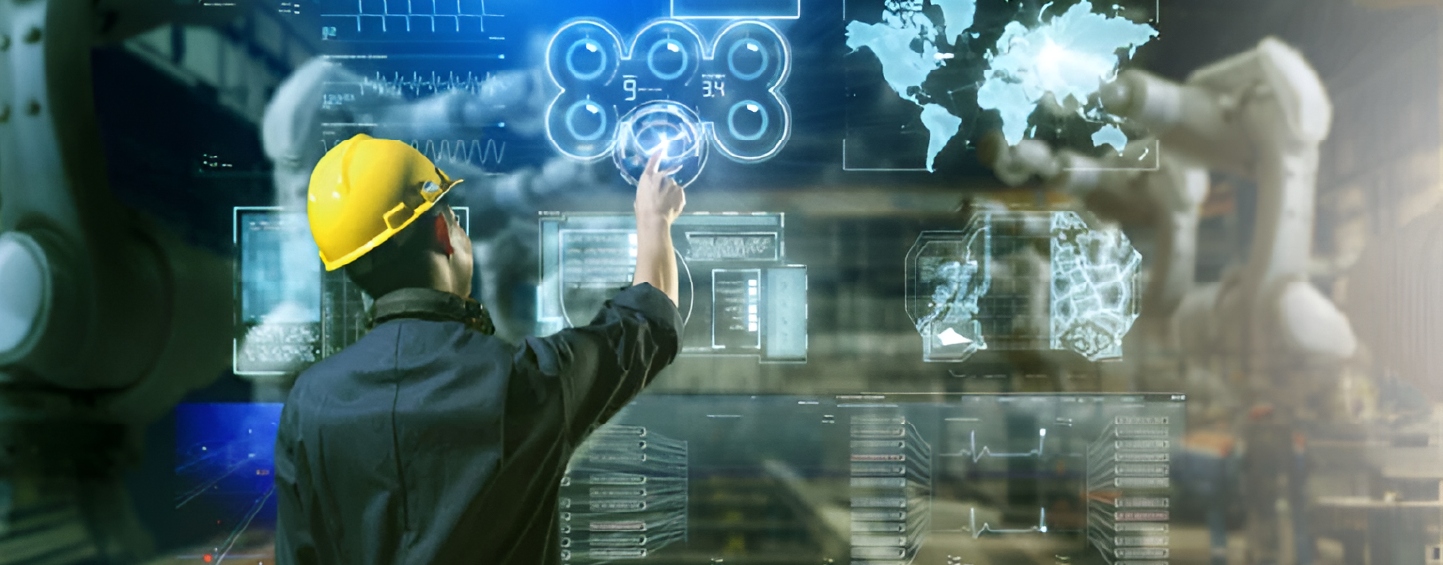
The oil and gas industry is entering a new stage of automation in which the objective is shifting from simply automating individual processes to creating autonomous operational environments capable of continuously sensing conditions, interpreting data, making decisions, and taking appropriate action. Traditional process automation has transformed industrial operations by reducing manual intervention and improving consistency, but the next generation of systems is expected to integrate automation with artificial intelligence, advanced analytics, edge computing, robotics, and real-time operational data.
For oil and gas operators, this evolution could have significant implications across upstream, midstream, and downstream operations. Autonomous technologies can support drilling, production optimization, equipment monitoring, pipeline operations, refinery processes, inspection, and remote asset management.
The transition, however, is not about removing human expertise from industrial operations. Instead, it is about creating systems where machines can handle repetitive, predictable, and data-intensive decisions while human operators focus on complex situations, exceptions, safety, and strategic decision-making.
From Process Automation to Autonomous Operations
Traditional automation generally follows predefined rules.
A control system receives an input, compares it with a predefined condition, and executes a programmed response.
Autonomous operations take this concept further.
An autonomous system can potentially:
-
Continuously monitor operational conditions
-
Interpret large volumes of data
-
Identify abnormal patterns
-
Predict potential outcomes
-
Recommend or initiate actions
-
Learn from historical operating conditions
-
Escalate complex situations to human operators
This creates a transition from rule-based automation toward increasingly adaptive operational intelligence.
The difference is important: automation executes predefined instructions, while autonomous operations increasingly use data and intelligence to determine how operations should respond to changing conditions.
Why Oil & Gas Is Moving Toward Autonomous Operations
Oil and gas facilities are becoming more complex and increasingly connected. Offshore platforms, refineries, pipelines, LNG facilities, and production sites generate continuous streams of operational data from sensors, control systems, equipment, inspection technologies, and enterprise applications.
At the same time, operators face pressure to improve:
-
Production efficiency
-
Equipment reliability
-
Safety
-
Asset utilization
-
Operational visibility
-
Maintenance performance
-
Remote operations
Autonomous operations can help address these requirements by combining multiple technologies into a coordinated operating model rather than deploying automation applications individually.
The Technology Stack Behind Autonomous Operations
Industrial autonomy depends on several technologies working together.
Industrial IoT
Connected sensors provide continuous information about equipment, processes, environmental conditions, and operating parameters.
Edge Computing
Edge systems can process operational data close to the equipment, enabling rapid analysis where low latency is important.
Artificial Intelligence
AI models can identify patterns, classify events, detect anomalies, and support operational decision-making.
Advanced Analytics
Analytics can transform raw operational information into insights about equipment performance, production conditions, and process efficiency.
Robotics
Robotic systems can perform inspections, monitoring, and other tasks in hazardous or difficult-to-access environments.
Digital Twins
Digital representations of assets and processes can help simulate operating conditions and evaluate potential decisions.
Together, these technologies provide the foundation for increasingly autonomous industrial environments.
Autonomous Operations Across the Oil & Gas Value Chain
The concept can be applied across multiple segments of the industry.
Upstream Operations
Autonomous technologies can support:
-
Production optimization
-
Artificial lift optimization
-
Well monitoring
-
Drilling assistance
-
Predictive equipment maintenance
-
Remote field operations
Advanced systems can continuously analyze well and production data and identify opportunities to improve performance.
Midstream Operations
Pipeline operators can use intelligent systems for:
-
Leak detection
-
Pressure monitoring
-
Flow optimization
-
Compressor management
-
Predictive maintenance
-
Remote pipeline control
This can improve visibility across geographically distributed infrastructure.
Downstream Operations
Refineries and processing facilities can apply autonomous technologies to:
-
Process optimization
-
Advanced control
-
Equipment monitoring
-
Alarm management
-
Predictive maintenance
-
Production scheduling
The ability to continuously optimize processes can help facilities respond more effectively to changing operating conditions.
Autonomous Offshore Operations
Offshore facilities are particularly suited to autonomous and remote operating models because of their geographic isolation and challenging working environments.
Connected sensors, robotics, drones, remote monitoring, and AI-based analytics can reduce the need for personnel to perform certain routine activities directly on offshore assets.
Potential applications include:
-
Automated inspection
-
Remote equipment diagnostics
-
Drone-based monitoring
-
Robotics
-
Predictive maintenance
-
Remote process monitoring
This can reduce exposure to hazardous environments while improving the frequency and quality of asset monitoring.
The Role of AI in Industrial Autonomy
Artificial intelligence is one of the technologies helping autonomous operations move beyond traditional rule-based automation.
AI can analyze historical and real-time operational information to identify patterns that may not be obvious through conventional control systems.
Applications include:
-
Anomaly detection
-
Failure prediction
-
Process optimization
-
Production forecasting
-
Intelligent alarm management
-
Equipment health assessment
-
Operational recommendations
However, AI should not operate independently of operational safeguards. In critical oil and gas environments, autonomous decisions need to operate within clearly defined safety, control, and governance boundaries.
Human Operators Will Remain Critical
Industrial autonomy does not necessarily mean completely removing people from the operating environment.
Instead, the role of the operator is likely to evolve.
Rather than manually monitoring hundreds of parameters or responding to routine events, operators can increasingly focus on:
-
Exception management
-
Complex operational decisions
-
Safety-critical situations
-
System supervision
-
Strategic optimization
-
Emergency response
This creates a human-in-the-loop approach in which automated systems handle routine decisions while people retain oversight and authority where required.
Autonomous Maintenance and Asset Management
Maintenance is another area where autonomous operations can create significant value.
Traditional maintenance strategies often rely on fixed schedules or reactive interventions. Autonomous maintenance systems can continuously evaluate equipment condition and determine when an asset may require attention.
For example, a system could combine:
Sensor Data → Asset Health → AI Analysis → Failure Prediction → Maintenance Recommendation → Automated Workflow
This creates a more dynamic maintenance model based on actual equipment condition rather than fixed intervals.
Over time, this can help improve maintenance planning, reduce unnecessary interventions, and identify potential failures earlier.
Autonomous Operations and Industrial Data
Autonomy depends heavily on high-quality, contextualized operational data.
An autonomous system needs to understand not only individual measurements but also the relationships between:
-
Equipment
-
Processes
-
Assets
-
Operating conditions
-
Historical events
-
Maintenance activities
-
Production targets
This makes industrial data architecture a critical foundation for autonomy.
Poor-quality, fragmented, or incorrectly contextualized data can limit the reliability of autonomous decision-making.
Cybersecurity and Safety Considerations
Greater autonomy also increases the importance of cybersecurity and functional safety.
As more decisions become software-driven and more industrial systems become interconnected, organizations need strong controls around:
-
OT cybersecurity
-
Identity management
-
Network segmentation
-
System authentication
-
AI governance
-
Access controls
-
Safety systems
-
Fail-safe mechanisms
Autonomous systems must also have clearly defined operating boundaries.
If an AI system encounters conditions outside its validated operating range, it should be capable of escalating the situation rather than taking an uncertain action.
Challenges in Moving Toward Industrial Autonomy
The transition from traditional automation to autonomous operations is complex.
Legacy Systems
Many oil and gas facilities continue to depend on decades-old control infrastructure.
Data Quality
Autonomous applications require reliable, contextualized, and timely data.
Cybersecurity
Greater connectivity increases the potential attack surface.
Workforce Skills
Organizations need professionals who understand both industrial operations and advanced digital technologies.
Trust and Governance
Operators need confidence that autonomous systems will behave predictably and transparently.
Safety
Autonomous decision-making must remain within carefully validated operational and safety boundaries.
These challenges mean that autonomy will likely develop incrementally rather than through a single large-scale transformation.
The Future of Autonomous Oil & Gas Operations
The future is likely to involve different levels of autonomy rather than a sudden transition to fully autonomous facilities.
Some processes may remain highly automated but human-controlled, while others could operate with increasing levels of machine decision-making.
A future operating environment could combine:
Sensors → Edge Computing → Industrial Data Platform → AI → Autonomous Decision → Automated Control → Human Oversight
This model could enable oil and gas companies to respond faster to changing operating conditions while improving asset reliability and operational efficiency.
From Automation to Intelligent Operations
Industrial autonomous operations represent the next stage in the evolution of oil and gas automation.
Traditional automation established the foundation by controlling industrial processes reliably and consistently. The next generation combines that foundation with AI, advanced analytics, edge computing, robotics, digital twins, and contextualized industrial data.
The goal is not automation for its own sake. It is to create safer, more responsive, more efficient, and more intelligent operations.
As these technologies mature, autonomous capabilities are likely to expand across oilfields, offshore platforms, pipelines, refineries, LNG facilities, and processing plants.
For oil and gas companies, the organizations that build the right digital, data, cybersecurity, and workforce foundations today will be better positioned to adopt higher levels of industrial autonomy tomorrow.
Explore the Future of Oil & Gas Automation
The Oil & Gas Automation & Digitalization Conference by PTN Events brings together automation leaders, control engineers, digital transformation executives, OT professionals, technology providers, and oil and gas operators to examine the technologies transforming industrial operations.
Key areas include industrial automation, autonomous operations, AI, process control, robotics, edge computing, operational technology, remote operations, industrial cybersecurity, predictive maintenance, and intelligent oil and gas operations.
Register for the conference:
https://ptnevents.com/conferences/ogad/register