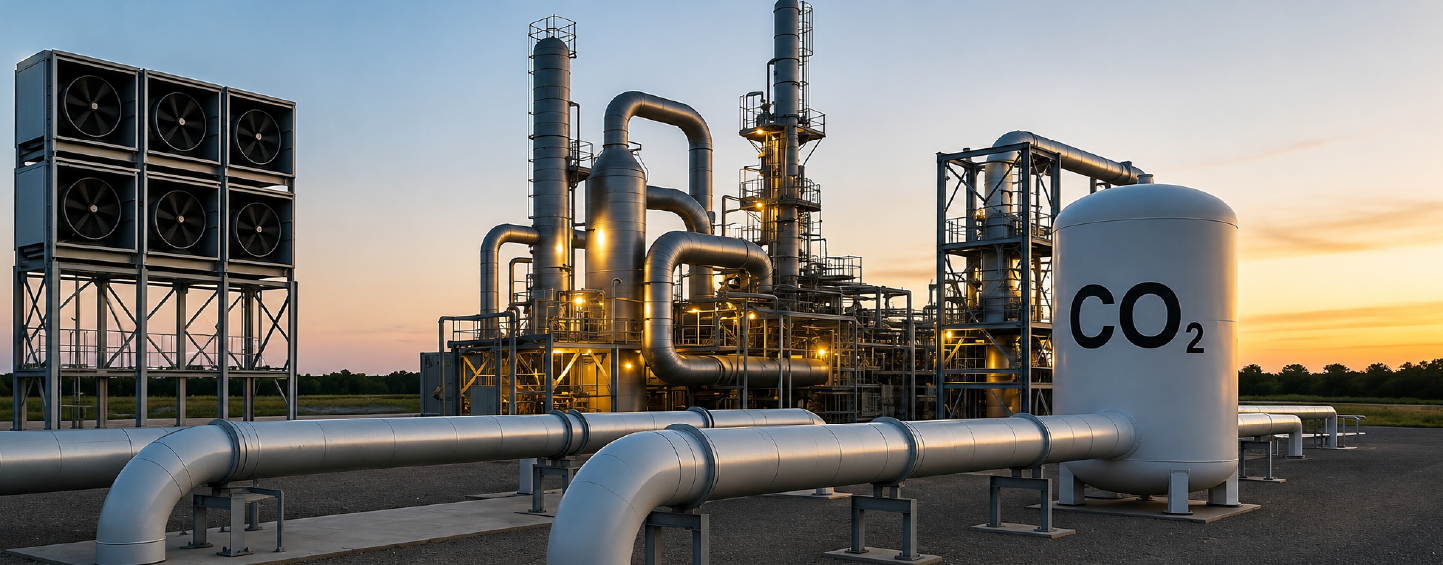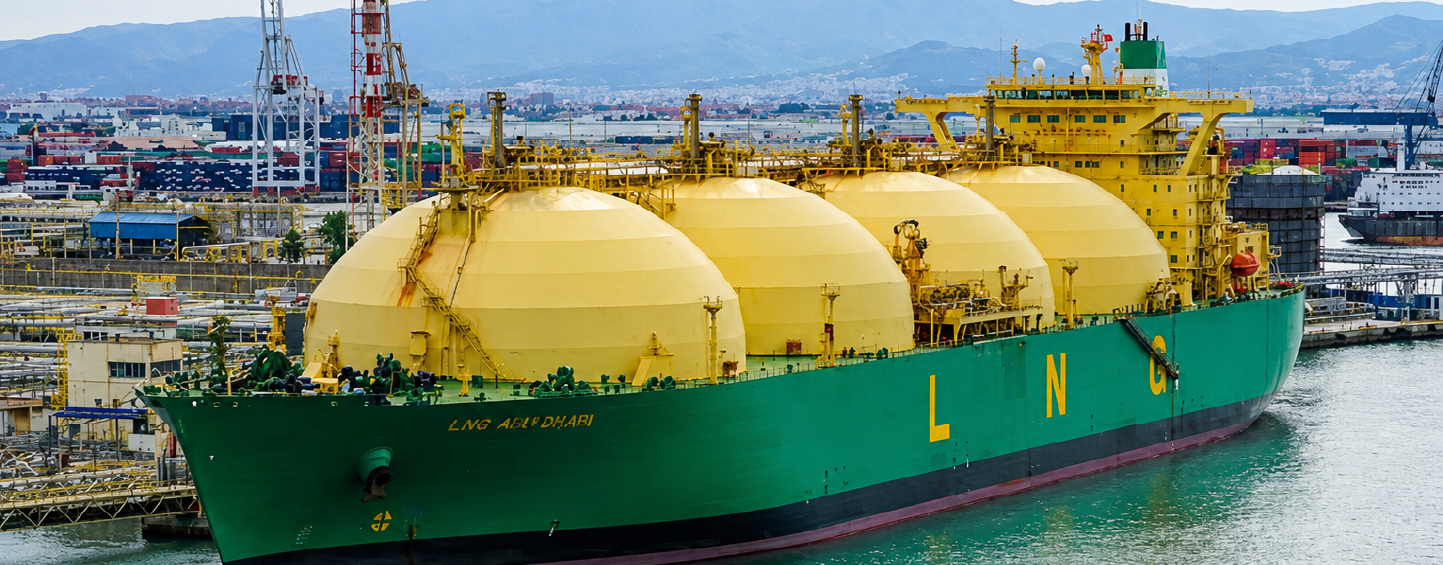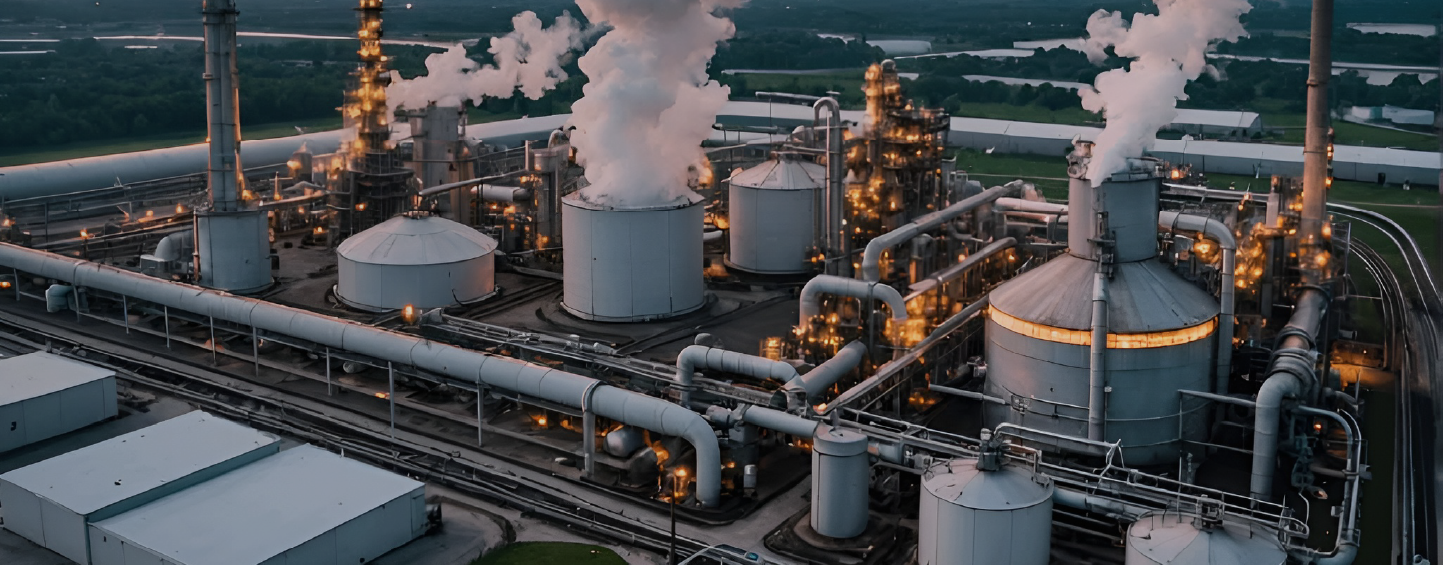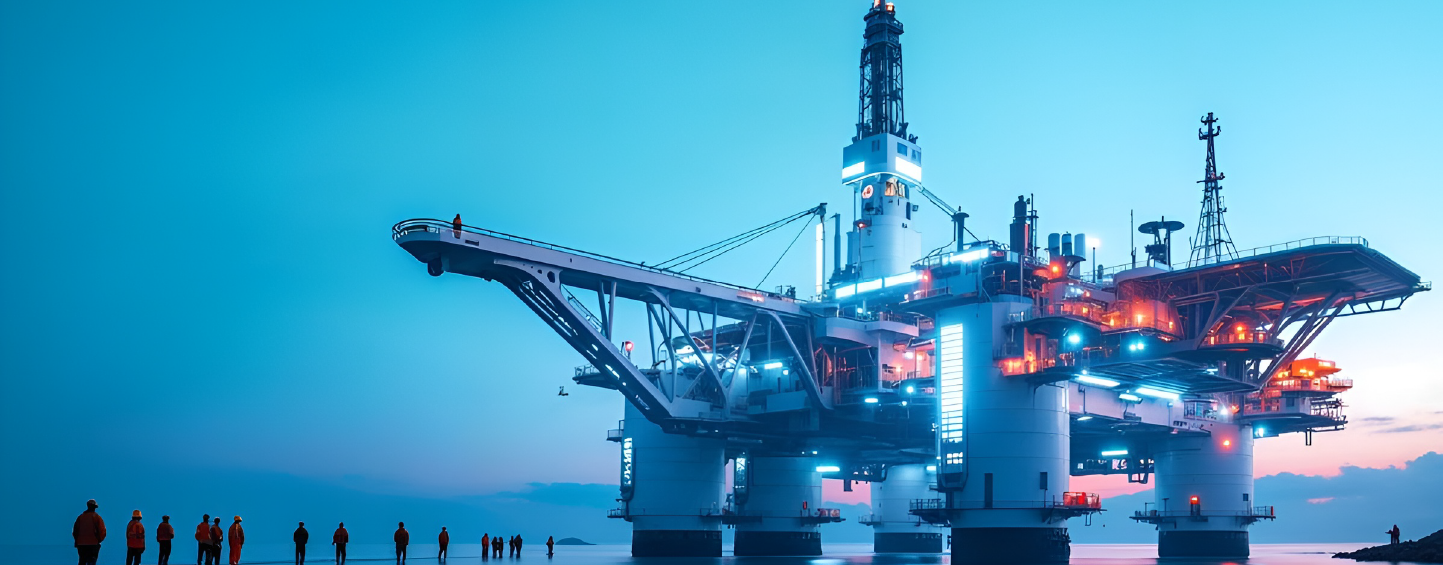
Oil and gas companies are increasingly moving beyond isolated cloud deployments toward industrial cloud platforms designed to connect operational technology, enterprise applications, industrial data, analytics, and digital workflows. This shift is being driven by the need to manage increasingly complex operations while improving scalability, resilience, collaboration, and access to data across geographically distributed assets.
For oil and gas companies operating refineries, offshore platforms, pipelines, LNG facilities, terminals, and production sites, digital resilience is becoming closely connected to the ability to access and process operational information reliably. Industrial cloud platforms can provide a common foundation for integrating data from multiple assets while supporting analytics, artificial intelligence, remote operations, and enterprise applications.
The objective is not simply to move existing applications to the cloud. Instead, organizations are increasingly looking at cloud as an industrial technology foundation that can help create more connected, flexible, and resilient operating models.
Why Industrial Cloud Platforms Are Becoming Important
Oil and gas companies manage highly distributed operations, often involving thousands of assets, multiple facilities, legacy systems, and large volumes of operational data.
Traditional technology environments can create challenges such as:
-
Fragmented data
-
Isolated applications
-
Limited scalability
-
Difficult system integration
-
Duplicated infrastructure
-
Restricted access to operational information
Industrial cloud platforms provide an opportunity to create a more connected digital environment where data and applications can be accessed across business functions while maintaining appropriate security and governance.
Connecting Operational and Enterprise Data
One of the most important opportunities presented by industrial cloud platforms is the ability to connect information from operational and enterprise systems.
Data can originate from:
-
SCADA systems
-
Distributed Control Systems
-
Industrial historians
-
IoT sensors
-
Enterprise Resource Planning systems
-
Maintenance platforms
-
Production systems
-
Supply chain applications
Bringing these sources together can provide decision-makers with a broader view of asset and business performance.
For example, production data can be combined with maintenance information and supply chain data to understand how equipment performance affects production schedules and business outcomes.
Building Resilience Across Distributed Operations
Digital resilience is becoming increasingly important as oil and gas companies depend more heavily on connected technology.
Industrial cloud architectures can support resilience through:
-
Distributed computing
-
Data redundancy
-
Backup and recovery
-
Automated infrastructure management
-
Remote access
-
Scalable computing resources
-
Disaster recovery capabilities
However, resilience cannot depend solely on centralized cloud infrastructure. Critical oil and gas operations often require local processing and control capabilities.
This is where edge computing and hybrid cloud architectures become important.
The Role of Hybrid Cloud and Edge Computing
Not every industrial workload should operate entirely in a centralized cloud environment.
Real-time control, safety systems, and other mission-critical applications may require processing close to the equipment.
A hybrid architecture can therefore combine:
Industrial Edge → Private Infrastructure → Cloud Platform → Enterprise Applications
This model allows organizations to keep latency-sensitive workloads closer to operations while using cloud infrastructure for data aggregation, analytics, AI, collaboration, and enterprise applications.
For geographically distributed oil and gas assets, this approach can provide both operational continuity and enterprise-wide visibility.
Cloud Platforms Supporting Industrial Data Strategies
As industrial data volumes increase, organizations need scalable infrastructure to store, process, govern, and analyze information.
Cloud platforms can provide the foundation for:
-
Industrial data lakes
-
Data warehouses
-
Data platforms
-
Real-time analytics
-
Machine learning
-
Digital twins
-
Data visualization
-
Enterprise reporting
The greater value comes when these capabilities are integrated rather than deployed as isolated technology projects.
A well-designed industrial cloud environment can create a common foundation for multiple digital initiatives across the enterprise.
Accelerating AI and Advanced Analytics
Artificial intelligence requires substantial computing resources and access to high-quality operational data.
Industrial cloud platforms can provide scalable infrastructure for developing and deploying:
-
Predictive maintenance models
-
Production optimization
-
Process analytics
-
Anomaly detection
-
Demand forecasting
-
Computer vision
-
Intelligent automation
Cloud infrastructure allows organizations to scale computing resources according to workload requirements without necessarily maintaining equivalent physical infrastructure at every operating site.
This can accelerate experimentation and deployment of advanced analytics across multiple assets.
Supporting Remote and Collaborative Operations
Cloud platforms can also enable greater collaboration between field personnel, engineering teams, maintenance specialists, data scientists, and corporate decision-makers.
Instead of relying entirely on information stored within individual facilities, teams can access common data and applications across locations.
This can support:
-
Remote asset monitoring
-
Centralized engineering support
-
Collaborative maintenance planning
-
Remote diagnostics
-
Enterprise dashboards
-
Cross-site benchmarking
-
Centralized analytics
For offshore and geographically remote operations, these capabilities can be particularly valuable.
Cybersecurity Must Be Built Into the Architecture
Moving industrial workloads and data into cloud environments also introduces cybersecurity considerations.
Oil and gas companies must protect both IT and OT environments while ensuring that increased connectivity does not create unnecessary attack surfaces.
Key areas include:
-
Identity and access management
-
Network segmentation
-
Data encryption
-
Security monitoring
-
Zero-trust approaches
-
Cloud configuration management
-
OT cybersecurity
-
Incident response
Security architecture needs to be considered from the beginning of cloud transformation projects rather than added after deployment.
Modernizing Legacy Infrastructure
One of the biggest challenges for oil and gas companies is integrating cloud platforms with legacy infrastructure.
Many facilities continue to operate systems that were designed before modern cloud architectures existed.
A successful modernization strategy therefore needs to support:
-
Legacy system integration
-
Data migration
-
API connectivity
-
Hybrid architectures
-
Application modernization
-
Phased deployment
Rather than replacing every legacy system at once, organizations can progressively connect and modernize existing environments.
This reduces disruption while creating a pathway toward a more integrated digital architecture.
Cloud Platforms and Operational Efficiency
Industrial cloud platforms can contribute to operational efficiency by making information more accessible and reducing technology fragmentation.
Organizations can use centralized platforms to identify:
-
Equipment performance trends
-
Production inefficiencies
-
Maintenance requirements
-
Energy consumption patterns
-
Process deviations
-
Supply chain bottlenecks
The result is a shift from simply collecting operational data toward using it continuously to improve decision-making.
Challenges in Industrial Cloud Adoption
Despite its potential, industrial cloud adoption comes with several challenges.
Legacy Infrastructure
Older systems may not have modern interfaces or connectivity capabilities.
Cybersecurity
Connecting industrial systems to broader networks requires strong security controls.
Data Governance
Organizations need clear policies governing ownership, quality, access, and lifecycle management.
Workforce Skills
Cloud transformation requires expertise spanning cloud engineering, OT, cybersecurity, data management, and industrial operations.
Business Case
Companies must demonstrate measurable value rather than treating cloud migration as purely a technology initiative.
These challenges make a phased and business-led transformation strategy particularly important.
The Future of Industrial Cloud Platforms
Industrial cloud platforms are likely to become increasingly integrated with edge computing, artificial intelligence, industrial data platforms, digital twins, and automation technologies.
Future architectures may enable companies to deploy applications across cloud and edge environments according to operational requirements while maintaining common data and governance frameworks.
This could create a more flexible digital operating model in which new applications and analytics capabilities can be introduced without rebuilding the underlying technology infrastructure.
For oil and gas companies, the long-term objective is not simply to become more cloud-based. It is to become more connected, resilient, data-driven, and adaptable.
Building the Resilient Digital Oil & Gas Enterprise
The transition toward industrial cloud platforms represents a fundamental change in how oil and gas companies design their digital infrastructure.
By combining cloud platforms with edge computing, industrial data, cybersecurity, analytics, and enterprise applications, organizations can create a technology foundation capable of supporting increasingly complex operations.
The companies that approach cloud transformation strategically—rather than as a simple migration exercise—will be better positioned to improve operational visibility, accelerate innovation, strengthen digital resilience, and scale new technologies across their assets.
Explore Digital Transformation in Oil & Gas
The Oil & Gas Digital Transformation Conference & Exhibition by PTN Events brings together CIOs, CTOs, digital transformation leaders, IT and OT professionals, data experts, automation specialists, technology providers, and oil and gas executives to explore the technologies shaping the industry's digital future.Key areas include industrial cloud platforms, cloud migration, AI, industrial data, digital twins, cybersecurity, automation, enterprise digital transformation, remote operations, and connected oil and gas infrastructure.
Register for the conference:
https://ptnevents.com/conferences/digital-transformation/register