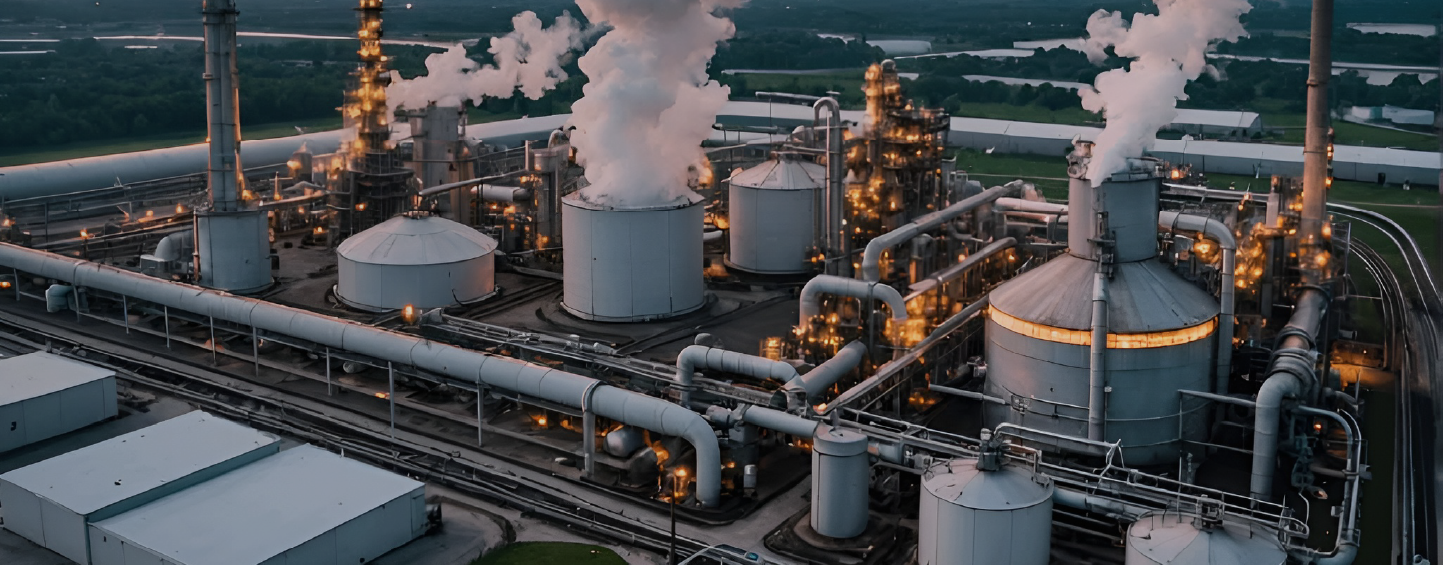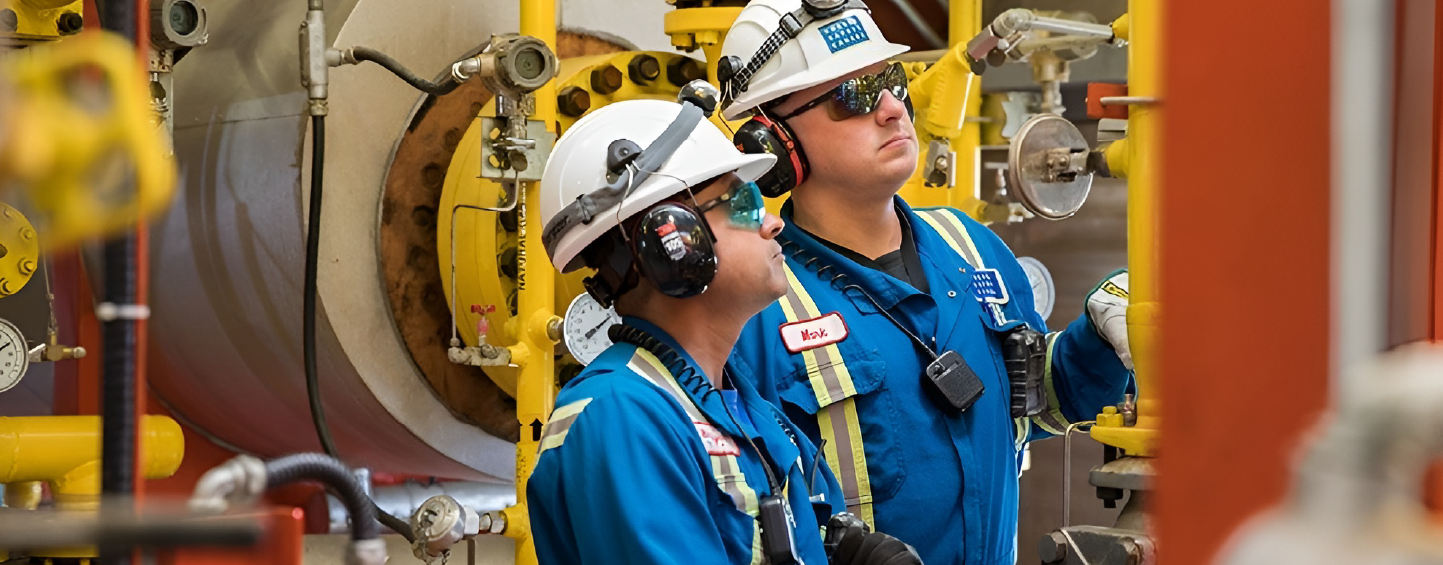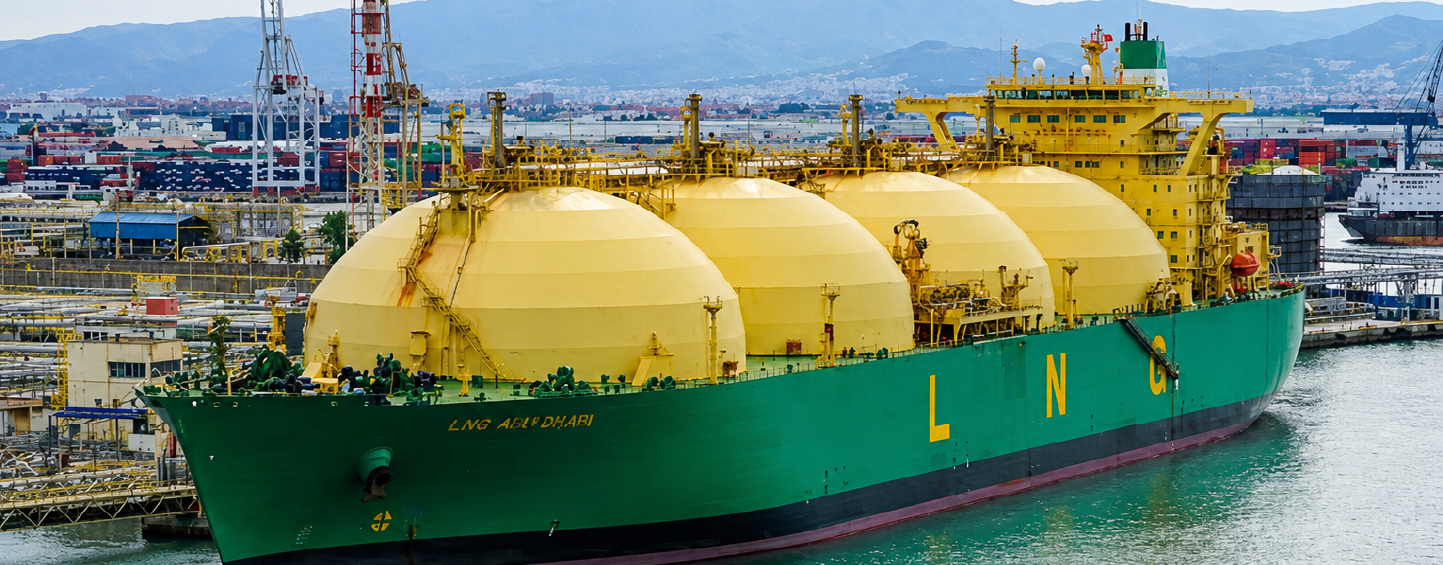
LNG export and import terminals are becoming increasingly sophisticated infrastructure assets, combining cryogenic equipment, storage systems, loading and unloading facilities, pipelines, pumps, compressors, regasification systems, safety systems, and complex control networks. As LNG trade expands and terminals operate under increasing demands for reliability and availability, effective management of these assets is becoming critical to maintaining throughput, safety, and commercial performance.
Digital asset management is emerging as an important strategy for addressing these requirements. By connecting asset information, operational data, maintenance records, condition monitoring, and performance analytics, terminal operators can move from reactive maintenance toward more proactive and risk-based asset management. Modern Asset Performance Management (APM) approaches are already being used across LNG facilities to monitor asset health, identify emerging failures, prioritize maintenance, and improve availability.
For both export and import terminals, the opportunity is to create a connected asset environment where operators have better visibility into equipment condition and can make maintenance and operational decisions based on real-time and historical information.
The Growing Importance of Digital Asset Management in LNG
LNG terminals operate with high-value assets that must perform reliably under demanding conditions. Export facilities depend on liquefaction trains, compressors, cryogenic systems, storage tanks, loading equipment, and marine infrastructure, while import terminals rely heavily on storage, pumps, vaporizers, regasification systems, loading arms, and pipeline connections.
A failure in a critical asset can affect more than maintenance schedules. It can disrupt cargo movements, reduce terminal throughput, create vessel delays, and affect downstream gas supply.
Digital asset management helps operators establish a more comprehensive view of asset condition and performance by bringing information from multiple sources into a connected operational environment.
Moving From Reactive to Predictive Asset Management
Traditional maintenance strategies often depend on fixed schedules or responding after equipment problems occur. Digital asset management enables operators to use equipment condition and operational data to identify potential problems earlier.
Modern APM approaches can combine:
-
Equipment condition data
-
Sensor measurements
-
Maintenance history
-
Asset criticality
-
Inspection records
-
Failure information
-
Operational parameters
-
Predictive analytics
This enables maintenance teams to prioritize assets based on risk and condition rather than treating every piece of equipment according to the same maintenance schedule.
For LNG operators, this shift can improve maintenance planning while reducing unnecessary interventions and helping identify developing equipment problems before they result in operational disruption.
Managing Critical LNG Terminal Assets
Digital asset management can be applied across virtually every major asset class within an LNG terminal.
Critical areas include:
-
LNG storage tanks
-
Cryogenic pumps
-
Compressors
-
Vaporizers
-
Heat exchangers
-
Loading arms
-
Transfer pipelines
-
Valves
-
Marine unloading systems
-
Electrical equipment
-
Instrumentation and control systems
Continuous monitoring of parameters such as pressure, temperature, vibration, flow, and equipment performance can provide operators with early indications of abnormal conditions.
For high-value and critical equipment, this visibility can support better maintenance prioritization and improve overall asset availability.
Connecting Asset Data Across the Terminal
One of the biggest challenges facing LNG operators is the volume and variety of information generated across terminal operations.
Asset information may exist across:
-
SCADA systems
-
Distributed Control Systems (DCS)
-
Historians
-
Computerized Maintenance Management Systems (CMMS)
-
Enterprise Asset Management (EAM) platforms
-
Inspection databases
-
Engineering systems
-
Operator reports
Digital asset management platforms can help connect these sources and create a more consistent operational view.
This integration is particularly valuable because LNG terminal performance depends on interactions between multiple systems rather than individual pieces of equipment. Performance simulation and reliability analysis, for example, can help operators understand how critical systems influence overall terminal availability and delivery performance.
Improving LNG Terminal Reliability
Reliability is directly connected to the commercial performance of LNG infrastructure.
For export terminals, equipment availability can influence liquefaction output, cargo loading schedules, and delivery commitments. For import terminals, reliability can affect regasification capacity and the ability to deliver gas into downstream transmission networks.
Digital asset management can support reliability through:
-
Asset health monitoring
-
Failure prediction
-
Condition-based maintenance
-
Root-cause analysis
-
Reliability-centered maintenance
-
Performance benchmarking
-
Maintenance optimization
This enables terminal operators to identify underperforming assets and address reliability issues before they escalate into major operational events.
Digital Technologies Supporting Asset Management
The next generation of LNG asset management is being shaped by the convergence of operational technology, industrial data, and advanced analytics.
Important technologies include:
Industrial IoT
Connected sensors provide continuous information about equipment condition and operating parameters, creating a foundation for real-time asset monitoring.
Predictive Analytics
Analytics can identify abnormal operating patterns and provide early warnings of potential equipment degradation.
Artificial Intelligence and Machine Learning
AI and machine learning can analyze large volumes of historical and real-time equipment data to identify patterns associated with equipment failure and performance deterioration.
Digital Twins
Digital models can help operators simulate asset behavior, evaluate operating scenarios, and support predictive maintenance and optimization.
Mobile Asset Management
Mobile platforms enable maintenance and inspection personnel to access asset information, work orders, inspection records, and operational information directly in the field.
Together, these technologies are helping LNG operators create more connected and data-driven maintenance environments. Current LNG industry developments are increasingly combining AI, digital twins, predictive maintenance, and centralized operational systems to move toward more proactive operations.
Strengthening Asset Integrity and Inspection
Asset integrity is particularly important for LNG infrastructure because many critical components operate under cryogenic, high-pressure, mechanical, and thermal conditions.
Digital asset management can provide a centralized view of:
-
Inspection schedules
-
Equipment condition
-
Corrosion information
-
Integrity assessments
-
Maintenance history
-
Risk rankings
-
Remaining useful life
This enables operators to prioritize inspection and maintenance activities according to asset criticality and risk.
Combining integrity information with operational data can also help maintenance teams understand not only whether an asset is degrading, but how its condition is affecting overall terminal performance.
Supporting Smarter Terminal Operations
Digital asset management is increasingly extending beyond maintenance departments.
When asset information is integrated with operational workflows, terminal teams can use the same information to support production planning, maintenance coordination, safety management, and operational decision-making.
For example, an integrated operational environment can connect asset condition information with maintenance activities and operational workflows, improving situational awareness across the facility. Recent LNG implementations have demonstrated how integrated asset data, operational workflows, alarm management, and mobile access can support safer and more responsive terminal operations.
This represents an important transition from digital maintenance management to integrated digital operations.
Challenges in Digitalizing LNG Asset Management
Despite the benefits, implementing digital asset management across LNG terminals is not straightforward.
Operators may face challenges including:
-
Legacy system integration
-
Inconsistent asset data
-
Different equipment vendors
-
Data quality issues
-
Cybersecurity requirements
-
Workforce adoption
-
Complex maintenance workflows
-
High implementation costs
Brownfield terminals can face particularly difficult integration requirements because modern digital platforms must work alongside existing control and maintenance systems.
A phased approach can help operators begin with high-criticality assets, demonstrate value, and progressively expand digital asset management across the facility.
The Future of Digital Asset Management for LNG Terminals
The future of LNG asset management will increasingly move toward predictive, connected, and risk-based operations.
Instead of simply recording maintenance activities, digital platforms will increasingly help operators determine which assets require attention, why they require attention, when intervention should occur, and what the potential operational impact could be.
As asset data becomes more integrated with analytics, AI, digital twins, inspection systems, and maintenance workflows, LNG terminals can move toward more proactive reliability strategies.
The long-term objective is not simply to digitize existing maintenance processes. It is to create an intelligent asset management environment that connects asset condition, operational performance, maintenance decisions, and business outcomes.
For LNG export and import terminals operating in an increasingly competitive global market, this capability can become an important differentiator in improving reliability, asset utilization, operational resilience, and long-term infrastructure performance.
The Road Ahead for LNG Asset Management
Digital asset management is becoming an increasingly important component of modern LNG infrastructure. As terminals become larger, more connected, and more operationally complex, operators will need better ways to understand asset condition and manage reliability throughout the asset lifecycle.
The combination of APM, predictive analytics, industrial data, digital twins, remote monitoring, and integrated maintenance systems provides LNG operators with new opportunities to improve how critical infrastructure is operated and maintained.
The future LNG terminal will therefore not only be highly automated—it will also be increasingly asset-intelligent, using operational data to anticipate problems, optimize maintenance, and support more reliable terminal performance.
Explore the Future of LNG Operations
The LNG Americas Conference by PTN Events brings together LNG producers, terminal operators, infrastructure developers, technology providers, EPC companies, investors, and industry experts to explore the technologies and strategies shaping the future of LNG infrastructure and operations.
Key areas include LNG export and import infrastructure, terminal operations, asset management, digitalization, automation, LNG logistics, reliability, maintenance, and emerging opportunities across the LNG value chain.
Register for the conference:
https://ptnevents.com/conferences/lng-americas/register