India's oil and gas industry is entering a new phase of growth shaped by rising domestic demand, expanding refining capacity, renewed exploration activity, infrastructure development, and increasing investment across the hydrocarbon value chain. As one of the world's largest consumers of crude oil and petroleum products, India continues to require reliable and scalable oil and gas infrastructure to support industrial activity, transportation, manufacturing, urbanisation, and economic expansion.
The next wave of growth, however, will not depend solely on increasing production. It will also be driven by how effectively India develops its upstream resources, modernises existing refining and processing assets, expands pipeline and storage infrastructure, strengthens natural gas networks, and adopts technologies that improve operational efficiency. These developments are creating new opportunities for oil and gas companies, technology providers, EPC contractors, investors, and infrastructure developers operating across the Indian market.
India's Oil & Gas Demand Continues to Shape Investment Priorities
India's expanding economy is creating sustained demand for petroleum products and natural gas. Transportation, manufacturing, petrochemicals, aviation, construction, and other industrial sectors continue to contribute to the country's growing hydrocarbon requirements.
This demand is encouraging investment across multiple segments, including:
-
Crude oil exploration and production
-
Refinery expansion and modernization
-
Natural gas infrastructure
-
Petroleum product pipelines
-
LNG import infrastructure
-
Storage and terminal facilities
-
Petrochemical capacity
For the industry, this creates a dual requirement: expanding infrastructure to accommodate future demand while improving the productivity and reliability of existing assets.
Unlocking India's Upstream Exploration Potential
Increasing domestic oil and gas production remains an important component of India's long-term strategy. While mature fields continue to contribute to national production, exploration of new basins and technically complex resources is opening additional opportunities for upstream operators.
Advancements in seismic imaging, drilling technologies, reservoir characterisation, and production optimisation are improving the ability of operators to evaluate previously underexplored areas.
India's upstream growth could increasingly be supported by:
-
New exploration acreage
-
Deepwater and offshore developments
-
Enhanced oil recovery
-
Improved reservoir management
-
Advanced drilling technologies
-
Digital production optimisation
The ability to combine technological innovation with improved exploration and development frameworks will be important in translating India's geological potential into commercially viable production.
Refining Capacity Expansion Creates New Opportunities
India has established itself as a major refining hub, and continued investment in refinery capacity is expected to remain an important part of the country's oil and gas development.
New capacity additions, refinery expansions, debottlenecking projects, and modernization programmes are creating opportunities to improve both production capabilities and operational performance.
Modern refineries are increasingly incorporating:
-
Advanced process control
-
Predictive maintenance
-
Industrial automation
-
Real-time process monitoring
-
Asset performance management
-
Digital engineering
-
Advanced analytics
These technologies can help refiners increase throughput, improve equipment reliability, reduce unplanned downtime, and optimise complex production processes.
Natural Gas Infrastructure Is Expanding Across India
Natural gas infrastructure is another important area of India's oil and gas growth story. Expansion of gas pipelines, LNG import terminals, city gas distribution networks, and industrial gas connections is improving access to natural gas across different regions.
The development of an interconnected gas infrastructure can support:
-
Industrial consumers
-
Fertilizer production
-
City gas distribution
-
Commercial users
-
Transportation
-
Power generation
-
Emerging gas-intensive industries
As India's gas market develops, investment in transmission pipelines, LNG infrastructure, storage, and distribution networks will become increasingly important for improving supply flexibility and regional connectivity.
Modernizing India's Oil & Gas Infrastructure
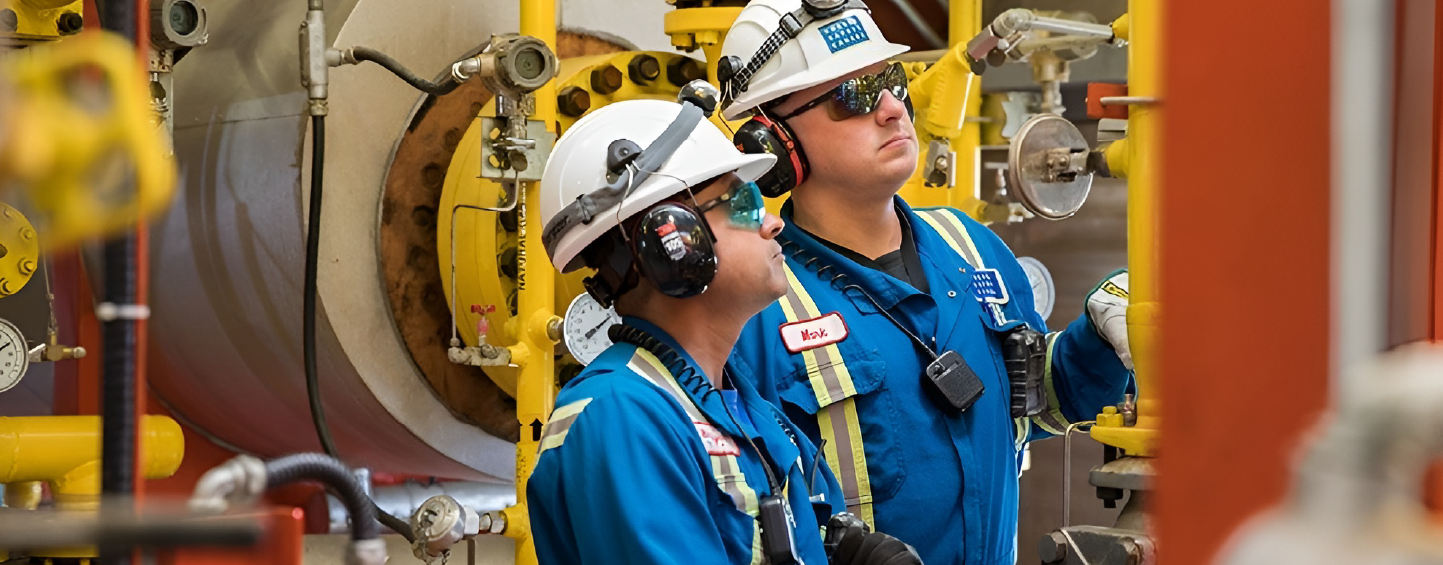
India's next growth phase will require more than new infrastructure. Existing assets must also be upgraded to meet evolving production requirements, safety expectations, and operational standards.
Infrastructure modernization is becoming increasingly relevant across:
-
Refineries
-
Offshore platforms
-
Pipelines
-
Terminals
-
Storage facilities
-
Gas processing plants
-
Production facilities
Operators are increasingly using digital monitoring, industrial automation, asset integrity management, and predictive maintenance to extend asset life and improve operational performance.
This combination of new infrastructure development and modernization of existing assets could become one of the defining characteristics of India's next oil and gas growth cycle.
Technology Is Becoming a Growth Enabler
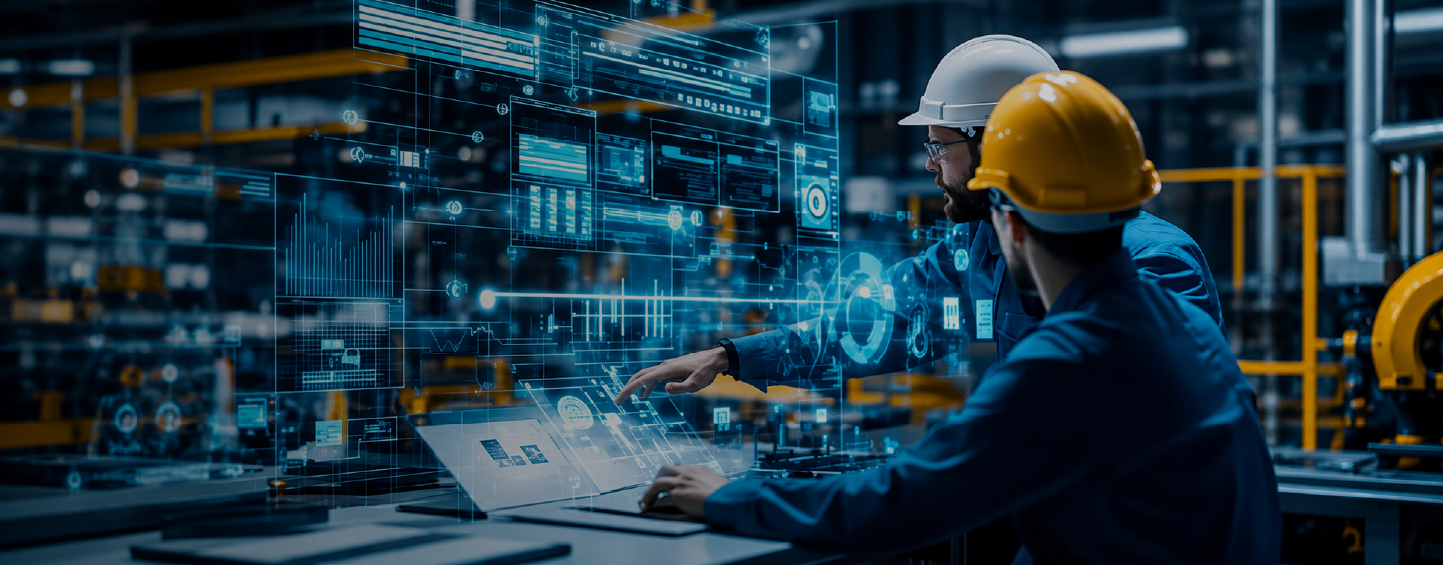
Technology is playing an increasingly important role across India's oil and gas value chain. Operators are moving beyond isolated automation projects toward integrated digital systems that connect operational data, assets, processes, and decision-makers.
Technologies such as:
-
Industrial IoT
-
Artificial Intelligence
-
Advanced analytics
-
Digital twins
-
Cloud platforms
-
Automation systems
-
Remote monitoring
-
Predictive maintenance
are helping companies improve operational visibility and identify opportunities for productivity gains.
The next stage of India's oil and gas growth will therefore depend not only on how much infrastructure is built, but also on how intelligently that infrastructure is operated.
Investment Opportunities Across the Oil & Gas Value Chain
India's expanding oil and gas ecosystem is creating opportunities beyond exploration and production. Infrastructure developers, engineering companies, technology providers, equipment manufacturers, and service companies are increasingly becoming important participants in the sector's growth.
Potential areas of investment include:
-
Upstream exploration
-
Offshore development
-
Refinery modernization
-
LNG infrastructure
-
Pipeline expansion
-
Gas distribution
-
Storage terminals
-
Petrochemical integration
-
Industrial automation
-
Asset management technologies
Greater collaboration between operators, EPC companies, technology providers, and infrastructure developers can accelerate project execution while bringing advanced capabilities into India's oil and gas facilities.
Challenges That Could Shape the Next Growth Cycle
India's oil and gas industry also faces several challenges as it expands. Complex project execution, capital requirements, infrastructure connectivity, technology integration, skilled workforce availability, and regulatory processes can influence the pace at which new projects are developed.
For existing facilities, integrating modern technologies with legacy systems can create additional technical challenges. Operators must balance modernization requirements with production continuity, safety, and cost management.
Addressing these challenges will require stronger project planning, technology partnerships, workforce development, and long-term infrastructure strategies.
What the Next Decade Could Look Like
India's next wave of oil and gas growth is likely to be defined by a combination of domestic exploration, refining expansion, natural gas infrastructure, asset modernization, and technology adoption.
Upstream companies will continue looking for new reserves and improving recovery from mature assets. Refiners will invest in capacity and operational efficiency. Pipeline and LNG infrastructure will expand to connect growing demand centres with supply sources. At the same time, digital technologies will become increasingly integrated into the way assets are designed, operated, maintained, and optimized.
The result could be a more connected and technologically advanced oil and gas ecosystem capable of supporting India's expanding industrial and economic requirements.
The Road Ahead for India's Oil & Gas Industry
India's oil and gas growth story is moving beyond simply increasing production and infrastructure capacity. The next phase will be about creating a more integrated, efficient, technologically advanced, and resilient hydrocarbon ecosystem.
From offshore exploration and refinery modernization to LNG infrastructure, pipeline development, natural gas distribution, and digital operations, multiple segments are creating new opportunities across the industry.
For companies operating in India's oil and gas market, understanding these developments will be critical to identifying investment opportunities, technology requirements, and strategic priorities in the years ahead.
Explore the Future of Oil & Gas in India
The Future of Oil & Gas in India Conference by PTN Events brings together oil and gas leaders, upstream and downstream operators, EPC companies, technology providers, infrastructure developers, investors, and industry experts to examine the opportunities shaping India's next phase of oil and gas development.
The conference focuses on upstream exploration, refining and petrochemicals, natural gas infrastructure, LNG, pipelines, digital technologies, automation, asset modernization, investment opportunities, and the evolving Indian oil and gas landscape.
Key themes include: India oil and gas outlook, upstream investment, offshore exploration, refinery modernization, natural gas infrastructure, LNG development, pipeline expansion, digitalization, automation, and operational excellence.
👉 Register for the conference:
https://ptnevents.com/conferences/future-oil/register