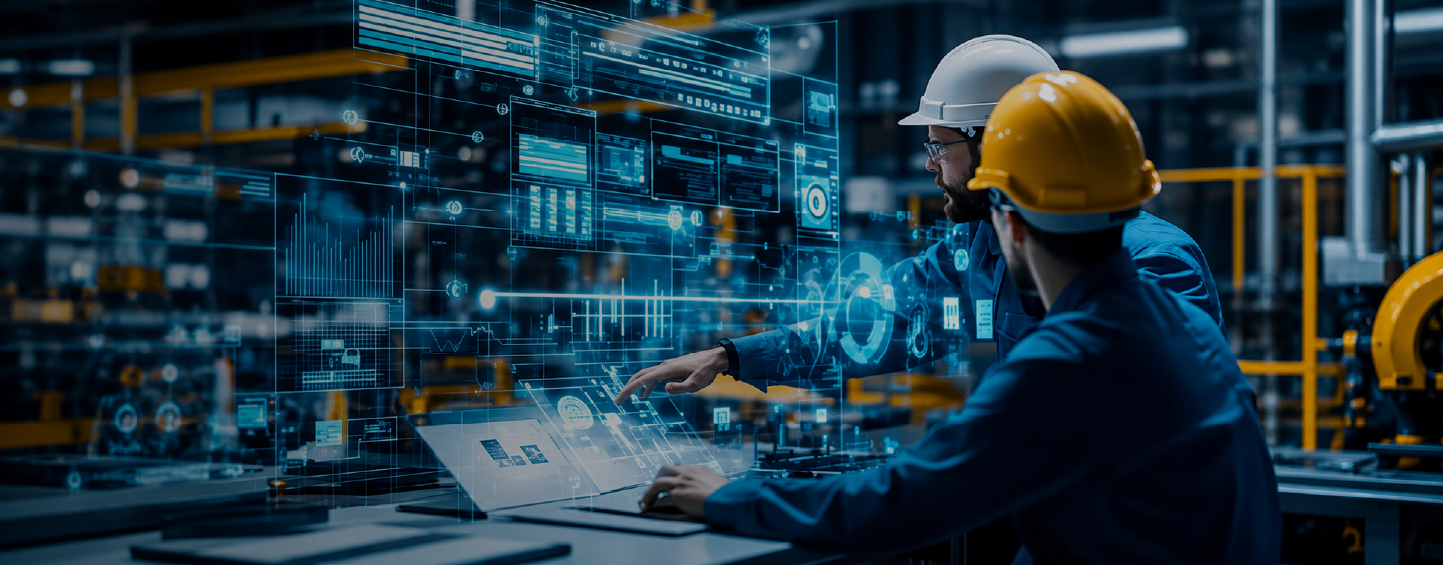
The oil and gas industry is moving toward a new generation of industrial automation in which software is becoming as important as the physical control infrastructure supporting production facilities. Traditional automation architectures have typically relied on dedicated hardware, proprietary control systems, and fixed configurations. While these systems remain fundamental to safe and reliable operations, growing demands for flexibility, interoperability, remote operations, and faster technology deployment are encouraging operators to rethink how industrial automation is designed and managed.
Software-defined industrial operations represent this shift by separating more of the operational intelligence from dedicated hardware and enabling control, monitoring, analytics, and optimization capabilities to be managed through software. Advances in virtualization, edge computing, industrial networking, cloud technologies, and open automation architectures are creating opportunities to make industrial systems more adaptable while maintaining the reliability required for critical oil and gas operations.
For operators managing increasingly complex assets and production environments, software-defined automation could become an important pathway toward more scalable, interoperable, and intelligent industrial operations.
What Are Software-Defined Industrial Operations?
Software-defined industrial operations refer to an operating model where software plays a central role in configuring, managing, monitoring, and optimizing industrial systems.
Instead of relying exclusively on fixed hardware configurations, operators can increasingly use software-based capabilities to manage:
-
Process control
-
Asset monitoring
-
Industrial data
-
Automation applications
-
Operational analytics
-
Equipment configuration
-
Remote operations
This approach allows automation environments to become more adaptable while supporting integration between operational technology (OT) and information technology (IT).
Why Oil & Gas Automation Is Evolving
Oil and gas facilities are becoming increasingly connected. Sensors, control systems, industrial networks, enterprise applications, and analytics platforms generate vast amounts of operational information that must be processed and acted upon quickly.
Traditional automation architectures can create challenges when organizations need to introduce new technologies or integrate systems from different vendors.
Software-defined architectures can help address these challenges by improving:
-
System flexibility
-
Interoperability
-
Scalability
-
Remote accessibility
-
Application deployment
-
Lifecycle management
This evolution is particularly relevant for operators modernizing existing facilities while simultaneously developing digitally enabled new assets.
The Role of Virtualization and Edge Computing
Virtualization is an important foundation of software-defined industrial environments. By allowing multiple software applications to operate on shared computing infrastructure, virtualization can reduce dependence on dedicated hardware and simplify system deployment.
Edge computing complements this approach by processing operational data closer to industrial equipment. This is particularly important for oil and gas facilities where low latency, continuous availability, and rapid response are critical.
Together, edge computing and virtualization can support:
-
Real-time process monitoring
-
Local analytics
-
Predictive maintenance
-
Remote system management
-
Distributed control applications
-
Faster deployment of automation software
Open Architectures and Industrial Interoperability
Interoperability is becoming increasingly important as operators integrate automation systems, industrial sensors, enterprise applications, and third-party technologies.
Open industrial architectures and standardized communication technologies can reduce dependence on isolated systems and make it easier to exchange information across operational environments.
Improved interoperability can help organizations:
-
Integrate multi-vendor systems
-
Reduce technology silos
-
Simplify system upgrades
-
Accelerate application deployment
-
Improve access to operational data
For brownfield facilities in particular, open architectures can provide a pathway for introducing new capabilities without completely replacing existing automation infrastructure.
Software-Defined Automation and Remote Operations
The expansion of remote and centralized operations is another factor accelerating software-defined automation.
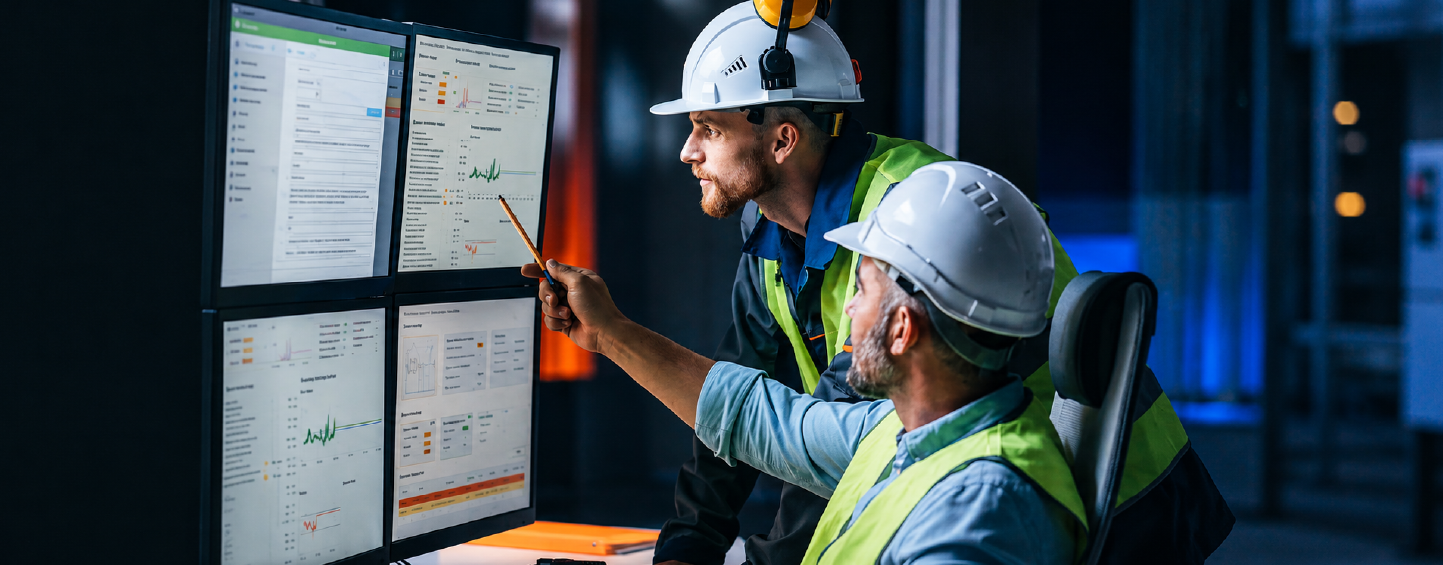
Remote operations centers can bring together data from multiple facilities and provide operators with a consolidated view of production, equipment health, and process performance.
Software-based automation capabilities can support:
-
Centralized monitoring
-
Remote diagnostics
-
Automated workflows
-
Real-time operational analytics
-
Remote asset configuration
-
Collaborative decision-making
This can reduce the need for personnel to perform routine activities in challenging or geographically remote environments while improving access to operational expertise.
Strengthening Predictive and Advanced Automation
Software-defined environments can also create a stronger foundation for advanced automation technologies.
Applications such as predictive analytics, machine learning, process optimization, and advanced control can be deployed alongside existing automation systems, enabling operators to move from reactive operations toward more proactive and predictive models.
Potential applications include:
-
Predictive equipment maintenance
-
Production optimization
-
Process anomaly detection
-
Automated performance monitoring
-
Intelligent alarm management
-
Advanced process control
The ability to deploy and update these applications through software can shorten technology implementation cycles and enable operators to continuously improve their automation environment.
Cybersecurity and Operational Resilience
Greater software dependency also introduces new cybersecurity considerations. As industrial systems become more connected and software-driven, protecting operational technology environments becomes essential.
Operators need robust approaches to:
-
Identity and access management
-
Network segmentation
-
Software authentication
-
Vulnerability management
-
Continuous system monitoring
-
Secure software updates
-
Incident response
Software-defined operations therefore require cybersecurity to be incorporated into the architecture from the beginning rather than treated as an additional layer after deployment.
Challenges in Moving Toward Software-Defined Operations
The transition will not happen overnight. Many oil and gas facilities continue to depend on automation systems that were designed decades ago, making integration and modernization complex.
Key challenges include:
-
Legacy system compatibility
-
Functional safety requirements
-
Cybersecurity risks
-
Vendor interoperability
-
Workforce skills
-
Technology validation
-
Regulatory requirements
Operators will need to adopt phased modernization strategies that introduce software-defined capabilities while maintaining the reliability and safety of existing production systems.
The Future of Software-Defined Oil & Gas Automation
The future of industrial automation is likely to involve greater convergence between software, operational technology, industrial networking, edge computing, and advanced analytics. Automation systems will increasingly become modular and software-centric, allowing operators to deploy new applications without extensive changes to physical infrastructure.
As this transition progresses, software-defined operations could enable oil and gas companies to build more flexible production environments, accelerate automation innovation, and improve the scalability of digital technologies across multiple facilities.
The evolution will not eliminate traditional automation systems. Instead, it will create a more adaptable layer around them - allowing operators to modernize industrial environments while preserving the safety, reliability, and control required for critical oil and gas operations.
Register for the Oil & Gas Automation & Digitalization Conference
Software-defined industrial operations are emerging as an important evolution in oil and gas automation, enabling operators to combine traditional control infrastructure with flexible software, edge computing, industrial networking, and advanced analytics.
The Oil & Gas Automation & Digitalization Conference by PTN Events brings together automation leaders, control engineers, digital transformation executives, OT professionals, technology providers, and oil and gas operators to explore the technologies transforming industrial operations.
Key topics include industrial automation, process control, operational technology, digitalization, edge computing, industrial software, remote operations, cybersecurity, advanced analytics, and next-generation automation architectures.
👉 Register here:
https://ptnevents.com/conferences/ogad/register