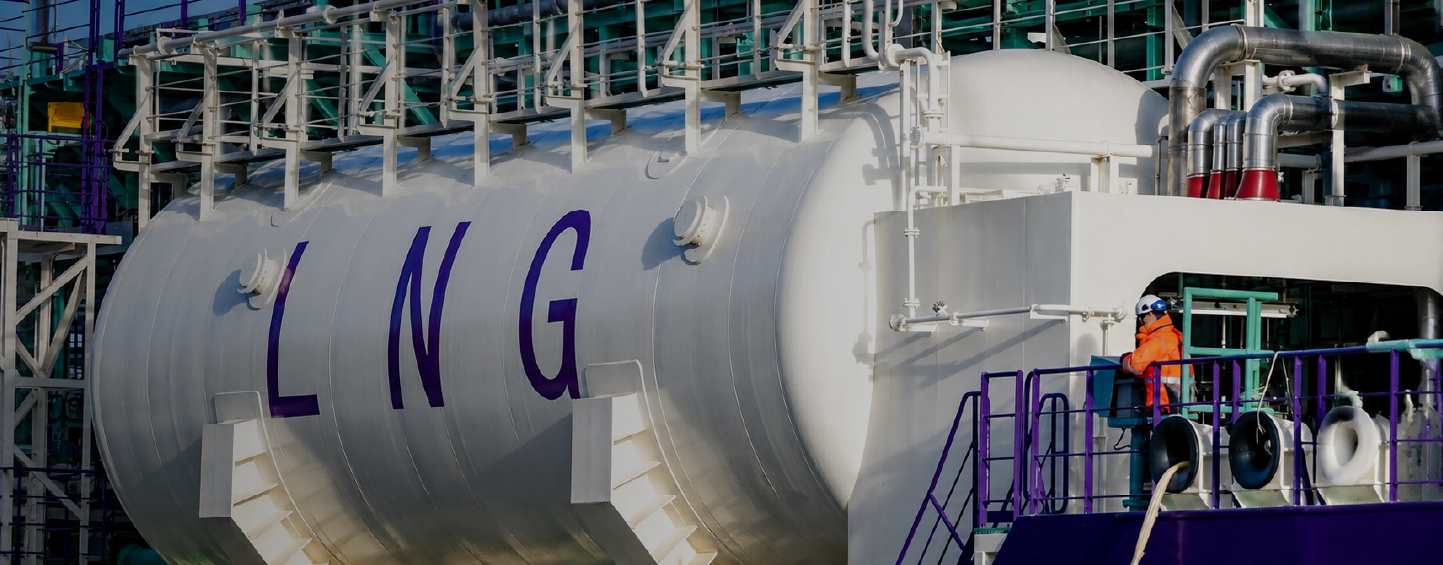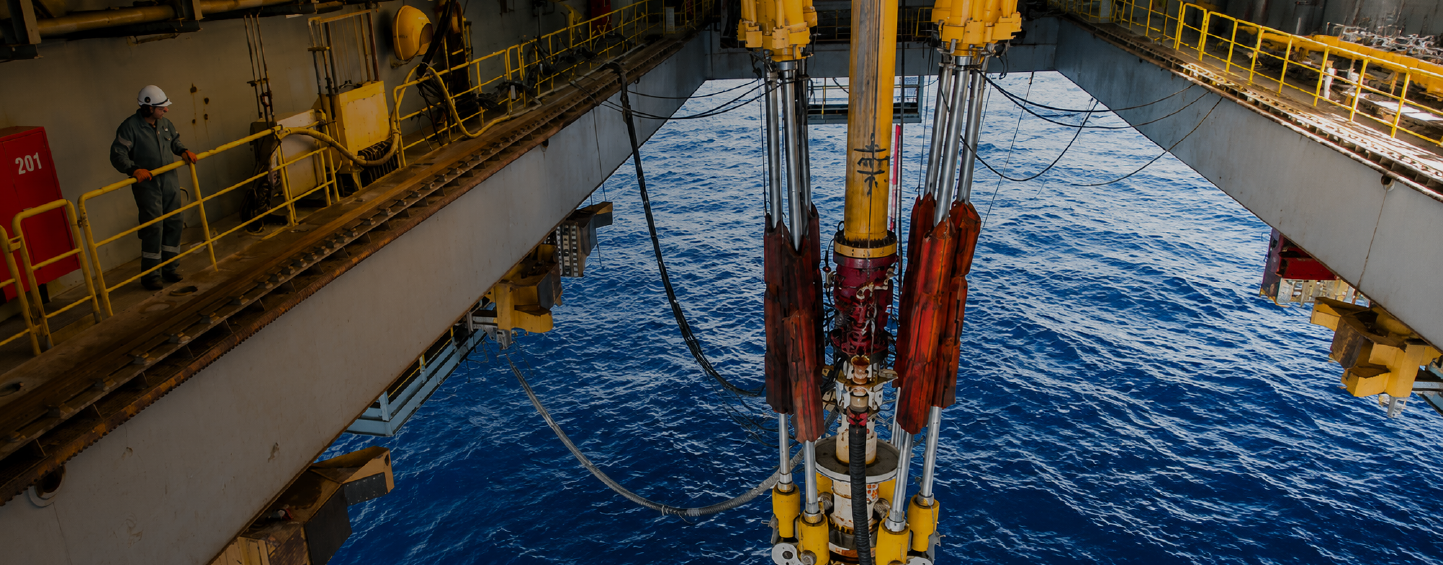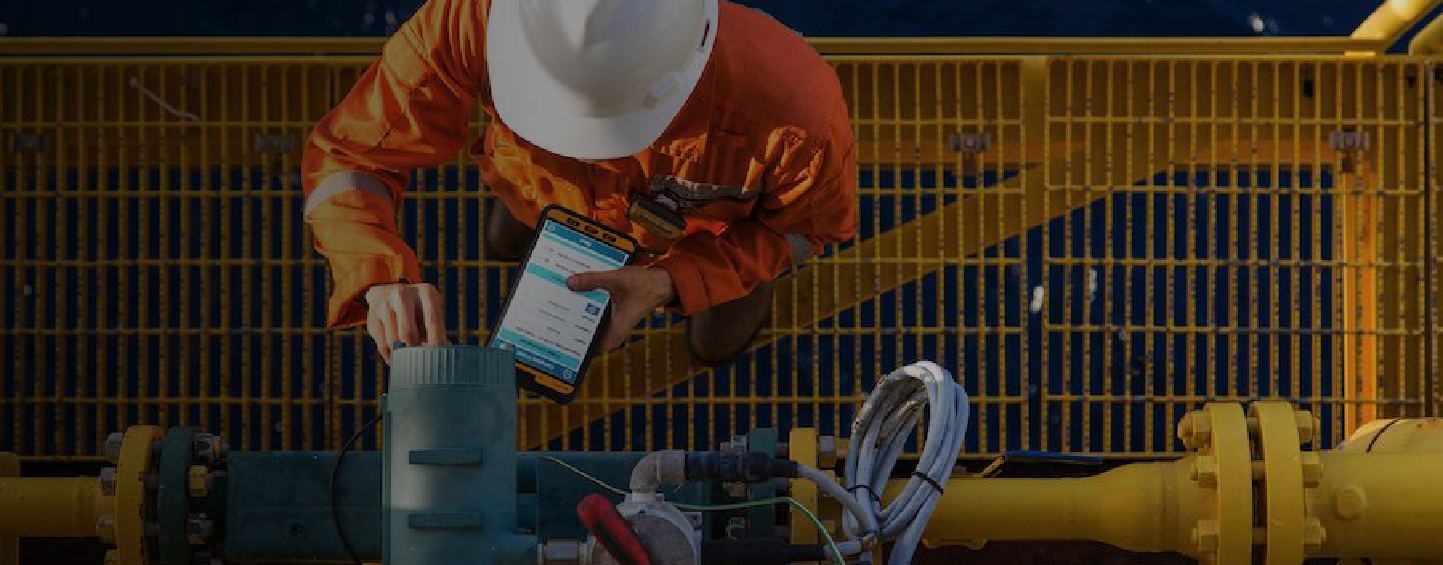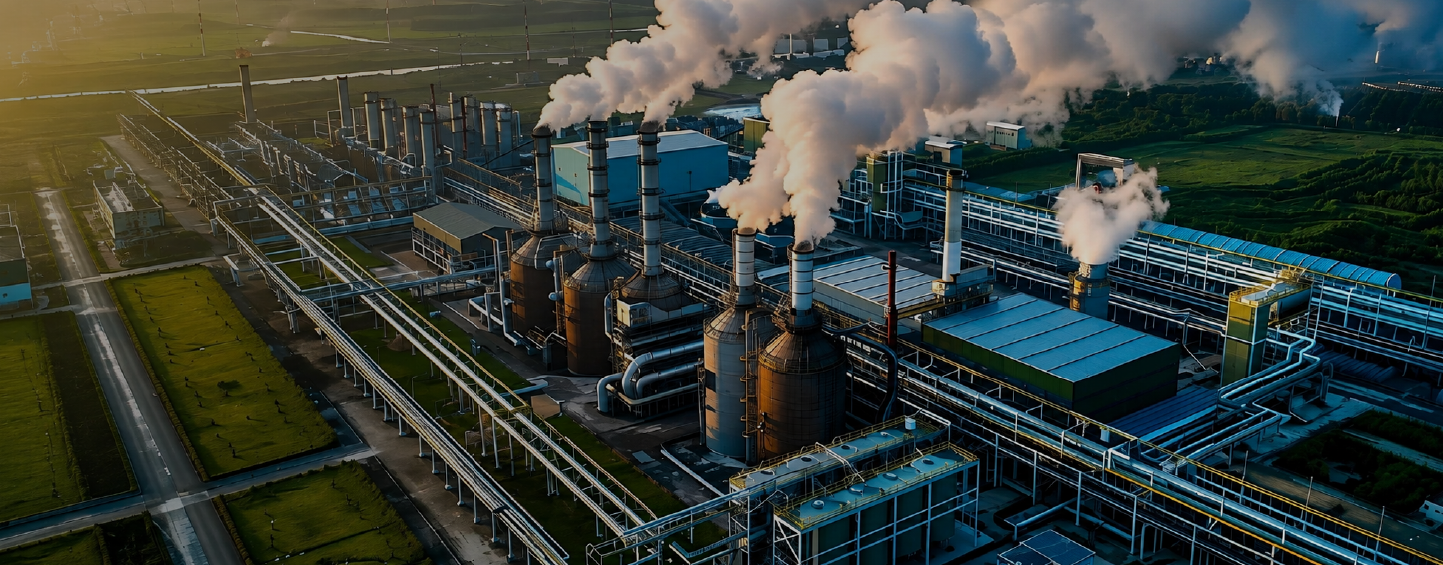
Industrial sectors across North America are accelerating investments in carbon capture infrastructure as they work to reduce greenhouse gas emissions while maintaining operational competitiveness. Industries such as oil and gas, petrochemicals, cement, steel, power generation, and manufacturing are increasingly adopting Carbon Capture, Utilization, and Storage (CCUS) technologies to support long-term decarbonization strategies without compromising industrial productivity.
While carbon capture technologies have advanced significantly over the past decade, the success of large-scale decarbonization now depends on building robust infrastructure capable of capturing, transporting, utilizing, and permanently storing carbon dioxide. From dedicated CO₂ pipeline networks and regional carbon storage hubs to advanced monitoring systems and digital asset management platforms, next-generation carbon capture infrastructure is becoming a critical foundation for achieving industrial emission reduction goals. As governments, technology providers, and industrial operators continue to expand investment across North America, carbon capture infrastructure is expected to play an increasingly important role in supporting a lower-carbon industrial future.
The Growing Need for Carbon Capture Infrastructure
Industrial facilities remain among the largest contributors to global carbon emissions. While energy efficiency improvements and operational optimization continue to reduce emissions, many heavy industries require additional solutions capable of addressing process-related carbon dioxide emissions.
Carbon capture infrastructure enables industries to:
-
Reduce industrial carbon emissions
-
Support long-term decarbonization goals
-
Improve environmental performance
-
Extend the life of existing industrial assets
-
Enable lower-carbon industrial production
-
Strengthen regulatory compliance
Developing integrated carbon capture infrastructure allows industries to reduce emissions while maintaining operational continuity and supporting economic growth.
Building Integrated Carbon Capture Networks
Successful carbon capture projects depend on more than capture technology alone. A complete infrastructure ecosystem is required to safely transport and manage captured carbon dioxide.
Key infrastructure components include:
-
Carbon capture facilities
-
CO₂ compression systems
-
Carbon dioxide pipeline networks
-
Intermediate storage facilities
-
Geological storage sites
-
Carbon monitoring systems
-
Digital asset management platforms
Integrating these components into connected regional networks improves project efficiency while enabling multiple industrial facilities to share transportation and storage infrastructure.
Regional Carbon Hubs Supporting Industrial Collaboration
Across North America, regional carbon management hubs are emerging as an effective approach to scaling carbon capture deployment. These hubs connect multiple industrial emitters to shared transportation pipelines and permanent geological storage locations.
Regional carbon hubs provide several advantages:
-
Reduced infrastructure costs
-
Improved project scalability
-
Greater storage efficiency
-
Faster project deployment
-
Increased collaboration between industries
-
Enhanced investment opportunities
Shared infrastructure also makes carbon capture more commercially attractive for industries that may not otherwise develop standalone storage projects.
Digital Technologies Improving Carbon Capture Operations
Digital transformation is becoming an essential component of modern carbon capture infrastructure.
Operators are adopting technologies such as:
-
Artificial Intelligence (AI)
-
Industrial Internet of Things (IIoT)
-
Digital twins
-
Predictive maintenance
-
Remote asset monitoring
-
Advanced emissions analytics
-
Cloud-based operational platforms
These technologies improve operational reliability, optimize capture performance, monitor infrastructure health, and enable real-time decision-making across carbon capture networks.
Infrastructure Investment Driving Project Growth
Large-scale carbon capture deployment requires significant investment in both physical infrastructure and supporting technologies.
Current investment priorities include:
-
Expanding CO₂ pipeline infrastructure
-
Developing new geological storage sites
-
Upgrading industrial capture facilities
-
Strengthening monitoring and verification systems
-
Improving digital operational capabilities
-
Supporting public-private infrastructure partnerships
Continued investment will be essential to accelerate commercial-scale carbon capture projects across industrial sectors.
Challenges in Scaling Carbon Capture Infrastructure
Although carbon capture continues to gain momentum, several challenges remain before widespread deployment can be achieved.
Key considerations include:
-
High infrastructure development costs
-
Long project approval timelines
-
CO₂ transportation network expansion
-
Storage site characterization
-
Regulatory compliance
-
Skilled workforce availability
Addressing these challenges will require collaboration between governments, industrial operators, technology providers, infrastructure developers, and financial institutions.
The Future of Industrial Carbon Capture Infrastructure
The next generation of industrial decarbonization projects will depend on integrated infrastructure capable of supporting large-scale carbon management across multiple industries. As carbon capture technologies continue to mature, infrastructure development will increasingly focus on regional carbon hubs, intelligent monitoring systems, digital asset management, and advanced pipeline networks.
Future projects are expected to leverage AI-powered operational optimization, autonomous inspection technologies, predictive maintenance, and real-time emissions monitoring to improve operational efficiency while reducing infrastructure risks. These advancements will help industries build scalable carbon management systems that support long-term industrial competitiveness while contributing to broader decarbonization objectives.
Register for the North America Energy Transition Summit
Carbon capture infrastructure is becoming a cornerstone of industrial decarbonization strategies across North America. As industries continue investing in large-scale CCUS projects, collaboration between infrastructure developers, industrial operators, policymakers, and technology providers will be essential to accelerate deployment and maximize long-term value.
The North America Energy Transition Summit by PTN Events brings together industry leaders, infrastructure developers, technology innovators, policymakers, EPC companies, and sustainability experts to discuss carbon capture, industrial decarbonization, hydrogen infrastructure, carbon management, digital technologies, and investment strategies shaping the future of industrial transition.
Key topics include carbon capture infrastructure, CCUS, industrial decarbonization, carbon storage, CO₂ transportation, digital transformation, industrial innovation, and sustainable infrastructure development.
👉 Register here:
https://ptnevents.com/conferences/north-american-transition/register