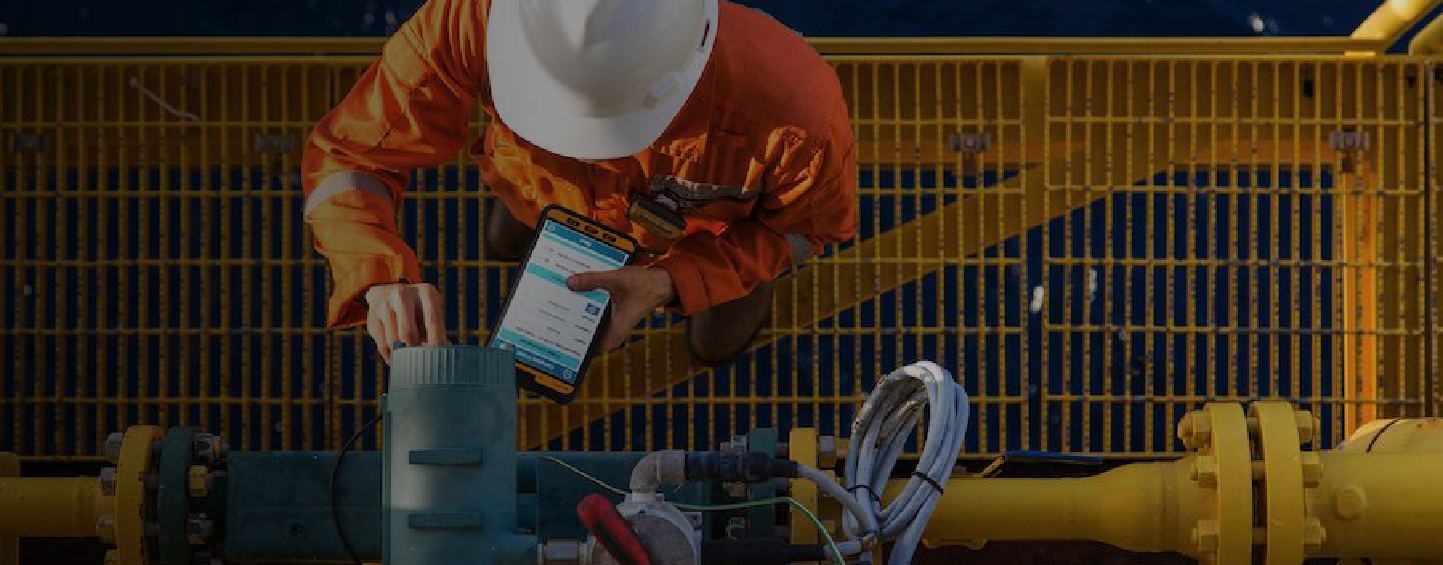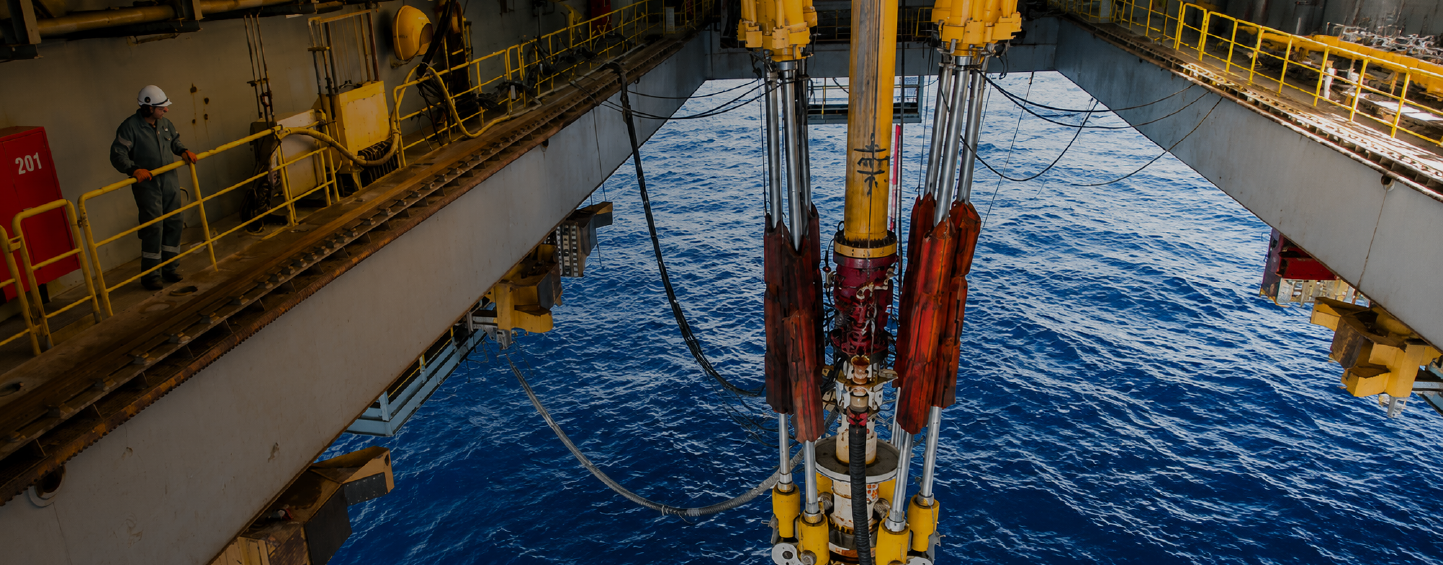
India's growing energy demand continues to reinforce the importance of expanding domestic oil and gas production. While onshore fields remain a significant contributor to the country's hydrocarbon output, offshore exploration is emerging as a critical frontier for unlocking new reserves and strengthening long-term energy security. With a substantial portion of India's sedimentary basins still underexplored, offshore and deepwater resources present significant opportunities to enhance indigenous production and reduce reliance on imports.
Advancements in seismic imaging, drilling technologies, subsea engineering, and digital solutions are making deepwater exploration increasingly viable. At the same time, supportive government policies, licensing reforms, and increased investment in offshore infrastructure are encouraging operators to explore complex reservoirs that were previously considered technically or economically challenging. As India's upstream sector evolves, offshore exploration and deepwater development are expected to play a pivotal role in shaping the future of the country's oil and gas industry.
India's Offshore Potential: Unlocking Untapped Hydrocarbon Resources
India possesses an extensive coastline and a large Exclusive Economic Zone (EEZ), offering significant offshore exploration opportunities in regions such as the Krishna-Godavari Basin, Mumbai Offshore Basin, Mahanadi Basin, Cauvery Basin, and the Andaman offshore area.
Although several offshore discoveries have contributed substantially to domestic production, large areas remain underexplored. Deepwater and ultra-deepwater reserves are expected to contain significant hydrocarbon potential, making them a strategic focus for future exploration activities.
Increasing exploration efforts will not only improve domestic production but also support India's objective of enhancing energy security through greater indigenous resource development.
Why Deepwater Development Is Becoming a Strategic Priority
As production from mature onshore and shallow-water fields gradually declines, operators are turning their attention to deeper offshore reservoirs that offer substantial long-term production potential.
Deepwater development supports:
-
Increased domestic oil and gas production
-
Improved energy security
-
Diversification of hydrocarbon resources
-
Long-term reserve replacement
-
Enhanced offshore infrastructure development
-
Greater investment in upstream operations
While deepwater projects require significant capital investment, their ability to unlock large reserves makes them increasingly attractive for both national and international operators.
Advanced Technologies Driving Offshore Exploration
Modern offshore exploration relies heavily on advanced technologies that improve exploration accuracy, drilling efficiency, and project economics.
Key technologies include:
-
3D and 4D seismic imaging
-
Artificial Intelligence (AI) for subsurface interpretation
-
High-performance drilling systems
-
Digital drilling technologies
-
Managed Pressure Drilling (MPD)
-
Real-time drilling analytics
-
Autonomous underwater vehicles (AUVs)
-
Remote operations centres
These technologies help operators better understand complex geological formations while reducing exploration risks and improving operational performance.
Digital Transformation Improving Offshore Operations
Digitalisation is transforming every stage of offshore exploration and field development.
Operators are increasingly deploying:
-
Industrial Internet of Things (IIoT)
-
Digital twins
-
Cloud-based operational platforms
-
Predictive maintenance systems
-
Remote asset monitoring
-
Advanced data analytics
-
AI-driven production optimisation
These digital technologies improve operational visibility, enable proactive decision-making, and enhance the reliability of offshore assets throughout their lifecycle.
Strengthening Offshore Infrastructure
Successful deepwater development depends on robust offshore infrastructure capable of supporting long-term production.
Key infrastructure investments include:
-
Floating Production Storage and Offloading (FPSO) facilities
-
Subsea production systems
-
Offshore platforms
-
Pipeline networks
-
Gas processing infrastructure
-
Offshore support vessels
-
Digital communication networks
Modern infrastructure enables operators to safely develop remote offshore fields while maintaining high operational efficiency.
Challenges Facing Deepwater Exploration
Despite significant opportunities, offshore exploration presents several technical, financial, and operational challenges.
Common challenges include:
-
High exploration and development costs
-
Complex geological conditions
-
Harsh offshore environments
-
Long project development timelines
-
Subsea equipment reliability
-
Skilled workforce requirements
-
Environmental and regulatory compliance
Managing these challenges requires continuous technological innovation, effective project planning, and strong collaboration across the offshore value chain.
Government Policies Supporting Offshore Growth
India's policy reforms are encouraging greater investment in offshore exploration and production activities. Initiatives aimed at improving licensing frameworks, increasing exploration acreage, and promoting private sector participation are creating new opportunities for upstream development.
Continued collaboration between government agencies, national oil companies, private operators, and technology providers will be essential to accelerate offshore investment while supporting responsible resource development.
The Future of Offshore Exploration in India
India's offshore sector is entering a period of renewed investment and technological advancement. As operators adopt intelligent drilling technologies, digital asset management, advanced seismic imaging, and AI-driven exploration tools, offshore projects are expected to become more efficient, safer, and commercially attractive.
Future developments will likely include increased exploration in frontier basins, greater adoption of autonomous inspection technologies, enhanced subsea production systems, and wider use of digital platforms for offshore asset management. Combined with supportive government initiatives and continued investment in offshore infrastructure, these advancements will position offshore exploration as a key driver of India's future oil and gas production.
Register for the Future of Oil & Gas in India Conference
Offshore exploration and deepwater development are becoming increasingly important as India seeks to strengthen domestic oil and gas production and enhance long-term energy security. Understanding the latest exploration technologies, offshore infrastructure developments, and investment opportunities will be essential for organisations operating across the upstream sector.
The Future of Oil & Gas in India Conference by PTN Events brings together industry leaders, exploration companies, offshore operators, EPC contractors, policymakers, technology providers, and infrastructure experts to discuss upstream investment, offshore exploration, digital transformation, drilling technologies, infrastructure development, and the future of India's oil and gas industry.
Key topics include offshore exploration, deepwater drilling, upstream investment, digital technologies, subsea engineering, offshore infrastructure, operational excellence, and emerging opportunities across India's offshore sector.
👉 Register here:
https://ptnevents.com/conferences/future-oil/register