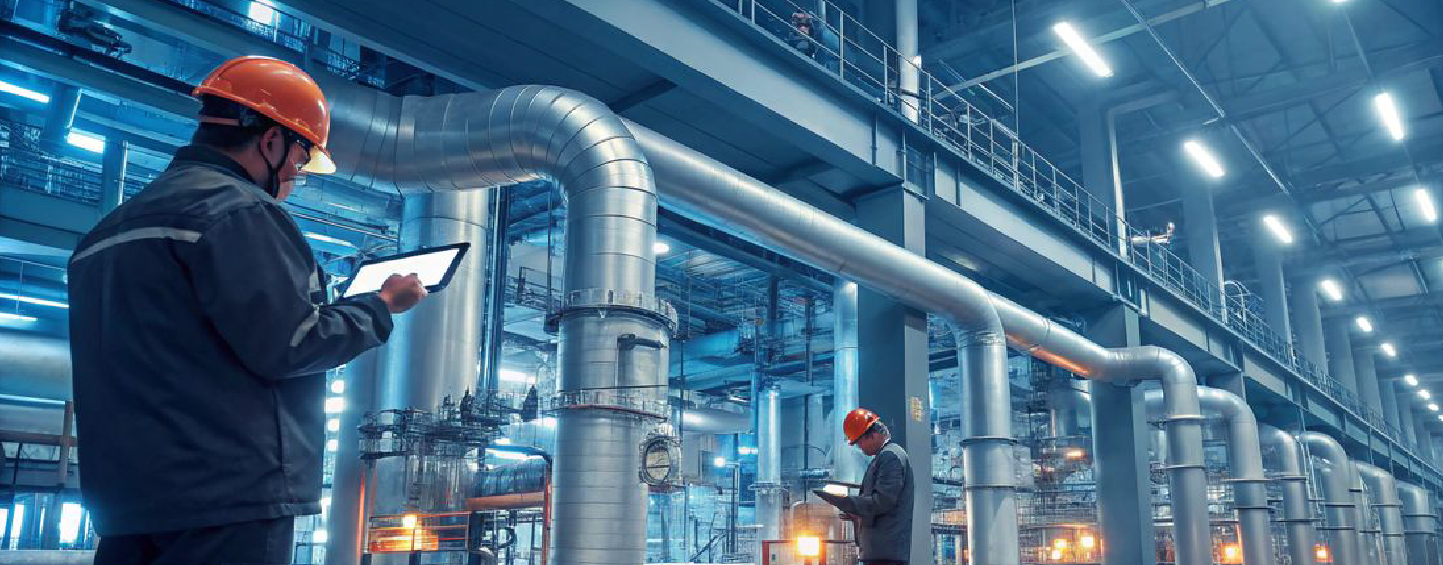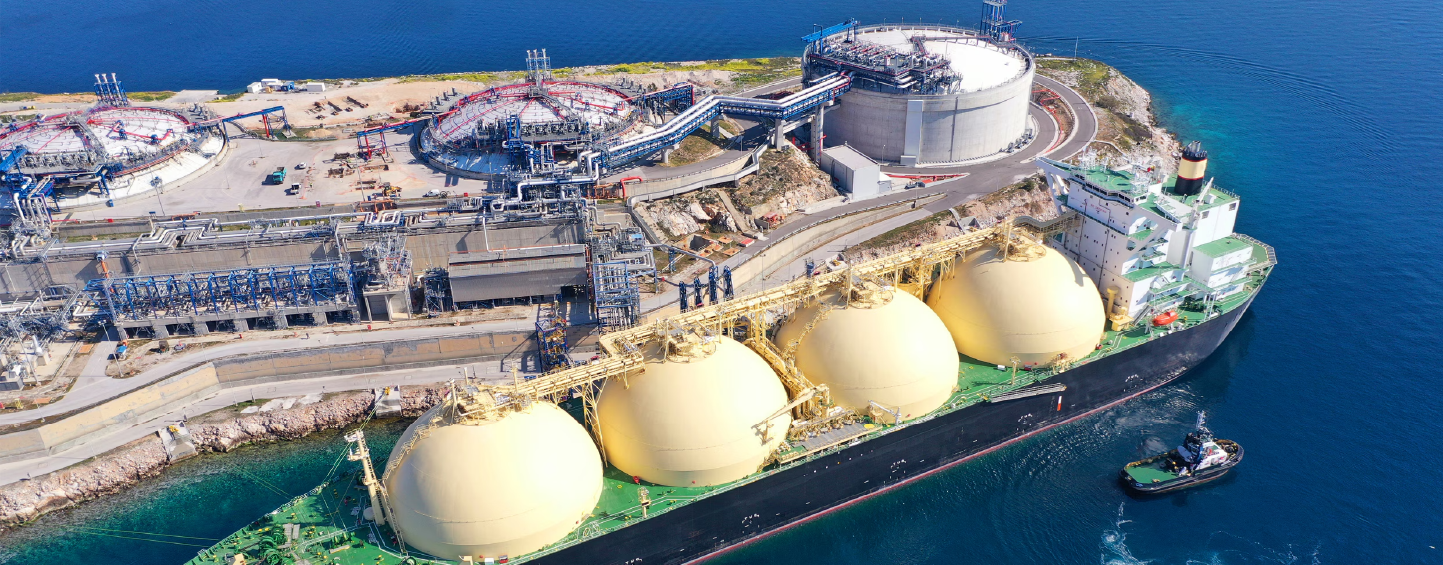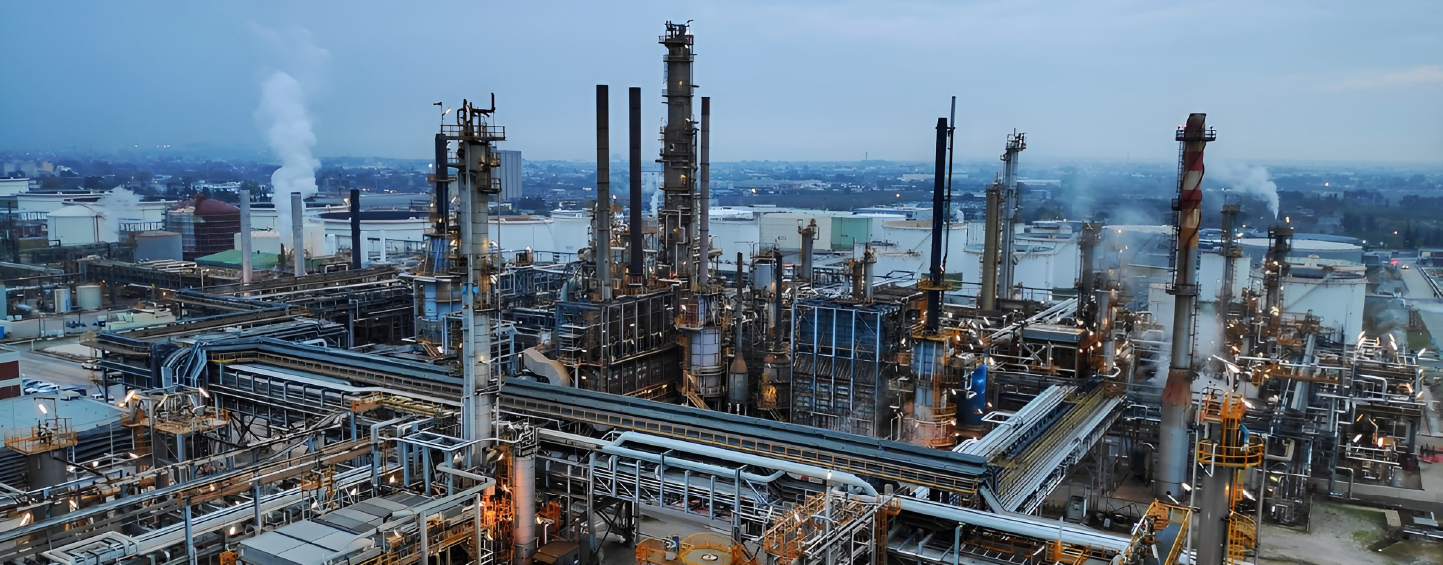
The next wave of digital transformation in oil and gas is no longer focused on dashboards that simply display operational data. It is focused on Industrial AI Agents intelligent software systems capable of analyzing data, reasoning across operational contexts, recommending actions, and increasingly executing workflows autonomously across industrial environments.
From drilling operations and refinery process optimization to LNG terminals, pipelines, offshore platforms, and maintenance planning, Industrial AI Agents in Oil & Gas Operations are transforming how organizations manage complex assets and respond to operational events in real time. Unlike traditional AI models that generate insights for human review, AI agents continuously monitor industrial systems, collaborate with operational technologies, trigger automated workflows, and support autonomous decision-making within defined safety boundaries.
As oil and gas companies accelerate investments in AI, Industrial IoT, digital twins, and automation, AI agents are emerging as a foundational technology for building intelligent, resilient, and highly connected industrial operations.
Why Industrial AI Agents Are the Next Evolution of Oil & Gas Automation
Oil and gas operations generate enormous volumes of operational data from sensors, control systems, drilling equipment, pipelines, compressors, production facilities, and enterprise platforms. The challenge is no longer collecting data—it's converting it into immediate operational action.
Industrial AI agents help operators:
-
Continuously monitor industrial assets.
-
Detect operational anomalies in real time.
-
Recommend corrective actions.
-
Automate routine operational workflows.
-
Coordinate maintenance activities.
-
Support production optimization.
-
Improve operational decision-making.
Instead of waiting for operators to interpret dashboards, AI agents proactively identify operational opportunities and risks.
What Makes Industrial AI Agents Different From Traditional AI?
Traditional AI typically analyzes historical or real-time data and provides recommendations. AI agents take this capability a step further by acting as autonomous operational assistants.
An industrial AI agent can:
-
Understand operational objectives.
-
Access multiple industrial data sources.
-
Reason across equipment and processes.
-
Trigger workflows automatically.
-
Learn from operational feedback.
-
Collaborate with other AI agents.
-
Escalate decisions when human approval is required.
This creates an operational environment where AI becomes an active participant rather than a passive analytics tool.
AI Agents Are Transforming Drilling Operations
Drilling environments require thousands of operational decisions every day. AI agents help drilling teams optimize performance while reducing operational risk.
Key drilling applications include:
-
Real-time drilling optimization.
-
Rate of penetration recommendations.
-
Torque and drag monitoring.
-
Well integrity alerts.
-
Mud system optimization.
-
Equipment performance monitoring.
-
Drilling hazard detection.
AI agents continuously evaluate drilling conditions and recommend operational adjustments before issues escalate.
Predictive Maintenance Becomes Autonomous
Predictive maintenance is evolving from alert generation to automated maintenance orchestration.
Industrial AI agents monitor:
-
Compressors.
-
Pumps.
-
Heat exchangers.
-
Turbines.
-
Valves.
-
Electrical systems.
-
Rotating equipment.
-
LNG cryogenic assets.
Instead of simply identifying a potential failure, AI agents can prioritize work orders, schedule inspections, notify maintenance teams, and recommend replacement strategies.
AI Agents Improve Refinery Process Optimization
Modern refineries contain thousands of interconnected process variables operating simultaneously.
AI agents optimize refinery operations by:
-
Monitoring process stability.
-
Adjusting operating parameters.
-
Predicting equipment degradation.
-
Optimizing energy consumption.
-
Improving product quality consistency.
-
Detecting abnormal operating behavior.
This enables refineries to improve throughput while maintaining safe operating conditions.
Intelligent LNG Terminal Operations Through AI Agents
LNG import and export terminals are increasingly deploying AI agents to manage highly dynamic operational environments.
Applications include:
-
Cargo scheduling optimization.
-
Cryogenic storage monitoring.
-
Boil-off gas optimization.
-
Regasification performance.
-
Terminal energy optimization.
-
Equipment health monitoring.
-
Marine loading coordination.
AI agents provide continuous operational visibility across terminal infrastructure while supporting faster operational responses.
Pipeline Operations Become Self-Monitoring Networks
Pipeline operators are using AI agents to continuously monitor distributed infrastructure across long-distance transmission networks.
AI-powered monitoring supports:
-
Leak detection.
-
Pressure optimization.
-
Flow balancing.
-
Corrosion monitoring.
-
Compressor coordination.
-
Remote asset monitoring.
-
Predictive inspection scheduling.
This improves pipeline reliability while reducing manual monitoring requirements.
Industrial Digital Twins Become Intelligent AI Partners
Digital twins provide AI agents with contextual understanding of industrial assets.
Together they enable:
-
Virtual asset simulations.
-
Failure prediction.
-
Maintenance planning.
-
Process optimization.
-
Operational scenario analysis.
-
Asset lifecycle forecasting.
Digital twins become dynamic operational environments where AI agents test decisions before deployment.
Multi-Agent Systems Coordinate Complex Industrial Operations
Future industrial environments will not rely on a single AI model. Instead, specialized AI agents will collaborate across operational domains.
Examples include:
AI Agent
Operational Responsibility
Maintenance Agent
Equipment health and work orders
Production Agent
Throughput optimization
Safety Agent
Hazard detection and compliance monitoring
Energy Agent
Utility and emissions optimization
Logistics Agent
Inventory and cargo scheduling
Operations Agent
Cross-facility operational coordination
Multi-agent collaboration enables enterprise-wide operational intelligence.
AI Agents Enable Real-Time Operational Intelligence
Industrial AI agents continuously combine information from:
-
Industrial IoT sensors.
-
SCADA systems.
-
Distributed Control Systems (DCS).
-
Historian databases.
-
Enterprise Asset Management platforms.
-
Maintenance systems.
-
Weather data.
-
Production planning systems.
This contextual intelligence allows AI agents to respond to operational events as they happen.
Human-in-the-Loop AI Maintains Operational Safety
Oil and gas operations require human oversight for critical operational decisions.
AI agents operate within defined governance frameworks by:
-
Recommending actions.
-
Executing approved workflows.
-
Escalating high-risk events.
-
Recording decision history.
-
Supporting operator validation.
-
Maintaining auditability.
Human expertise remains central while AI accelerates operational execution.
Industrial Cybersecurity for Autonomous AI Operations
Connected AI agents require secure Operational Technology environments.
Critical cybersecurity capabilities include:
-
Identity verification.
-
Secure API communication.
-
Network segmentation.
-
AI activity monitoring.
-
Zero Trust OT architecture.
-
Secure edge computing.
-
Continuous threat detection.
Cybersecurity ensures autonomous workflows operate safely across critical infrastructure.
Challenges in Deploying Industrial AI Agents
Organizations must address several operational challenges before scaling AI agents.
Legacy Infrastructure Integration
Older industrial systems require standardized connectivity.
Trusted Industrial Data
AI agents depend on high-quality operational data.
AI Governance
Organizations need transparent rules for autonomous decision-making.
Workforce Readiness
Engineers and operators must learn how to collaborate with AI-powered operational assistants.
Cross-System Integration
AI agents must interact with operational, maintenance, logistics, and enterprise platforms simultaneously.
A phased deployment strategy helps organizations introduce AI agents safely across industrial operations.
The Future of Autonomous Industrial Operations
Industrial AI agents represent a major shift from predictive analytics toward autonomous execution. Future oil and gas facilities are expected to deploy AI agents capable of coordinating production optimization, maintenance orchestration, emissions monitoring, logistics planning, digital twin simulations, and operational reporting within connected industrial ecosystems.
Future developments will likely include:
-
AI copilots for operations centers.
-
Autonomous maintenance agents.
-
Intelligent drilling assistants.
-
AI-powered refinery optimization agents.
-
LNG terminal orchestration agents.
-
Multi-agent industrial collaboration.
-
Enterprise-wide operational AI platforms.
These technologies will help operators improve safety, productivity, reliability, and operational resilience across the oil and gas value chain.
Building Autonomous Oil & Gas Operations With Industrial AI Agents
Industrial AI agents are redefining what automation means in the oil and gas industry. By combining AI reasoning, Industrial IoT, digital twins, predictive analytics, operational intelligence, and autonomous workflow execution, organizations can move beyond monitoring operations toward continuously optimizing them.
For upstream, midstream, downstream, LNG, and offshore operators, AI agents provide the foundation for intelligent industrial systems capable of supporting faster decisions, reducing operational downtime, improving asset performance, and building more connected digital operations.
As the industry moves toward autonomous industrial operations, AI agents will become one of the most important technologies shaping the future of oil and gas automation.
Explore the Future of AI & Automation in Oil & Gas
The Oil & Gas Automation & Digitalization Conference by PTN Events brings together AI leaders, automation specialists, Operational Technology professionals, refinery operators, LNG experts, drilling engineers, and digital transformation executives to explore the technologies shaping intelligent industrial operations.
Key discussion areas include Industrial AI Agents, Agentic AI, industrial automation, predictive maintenance, digital twins, Industrial IoT, operational intelligence, autonomous workflows, edge AI, and the future of intelligent oil and gas operations.
Register for the conference: https://ptnevents.com/conferences/ogad/register