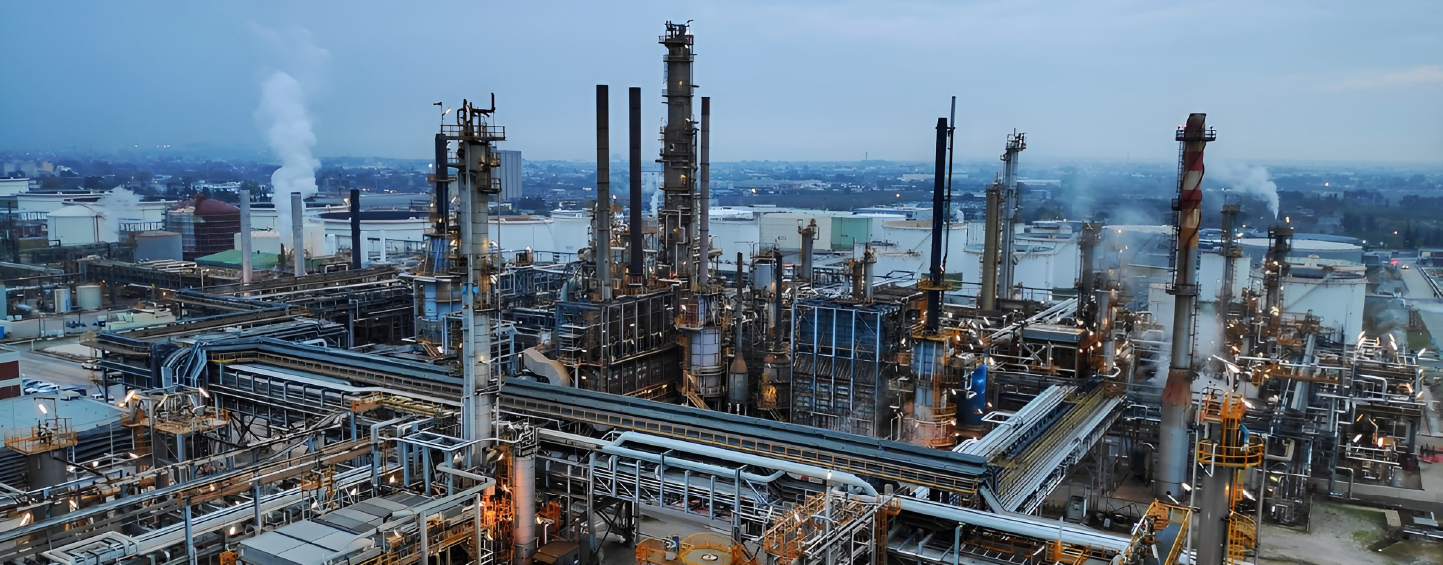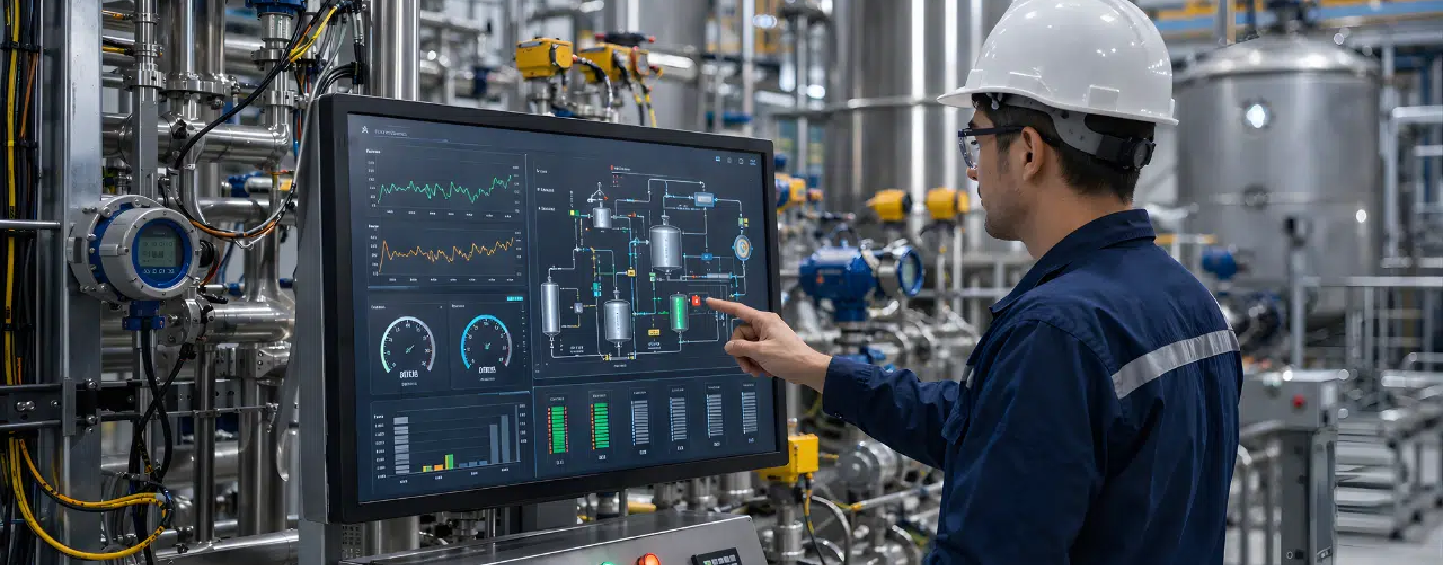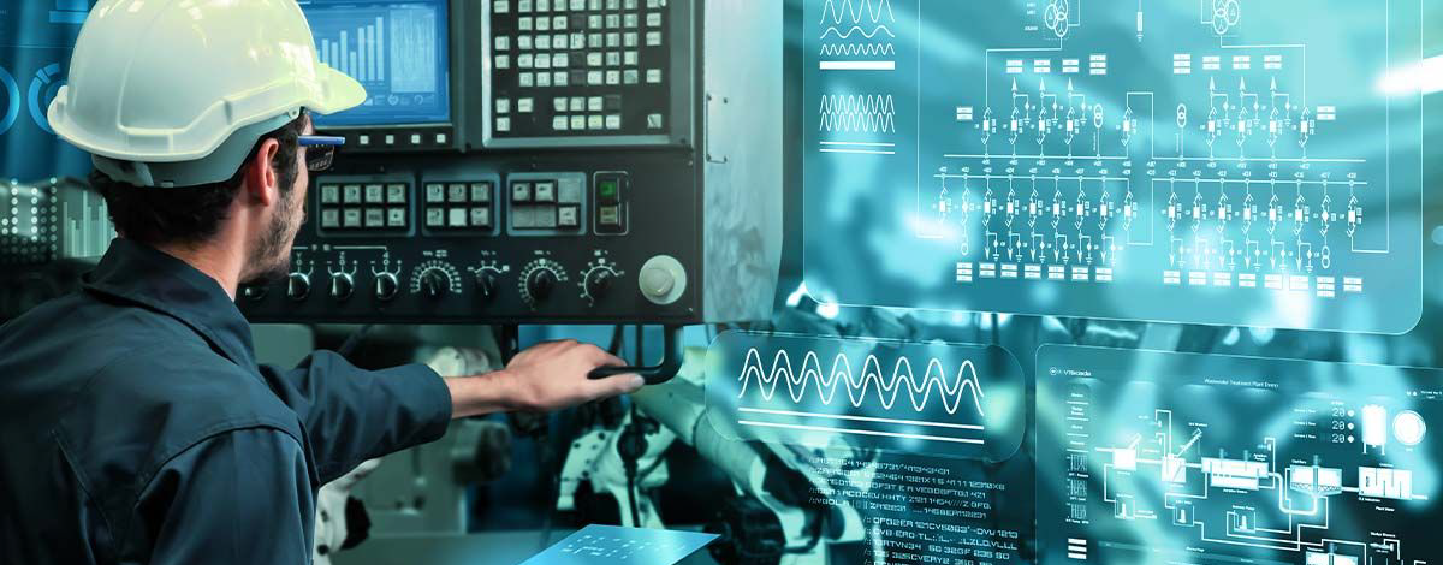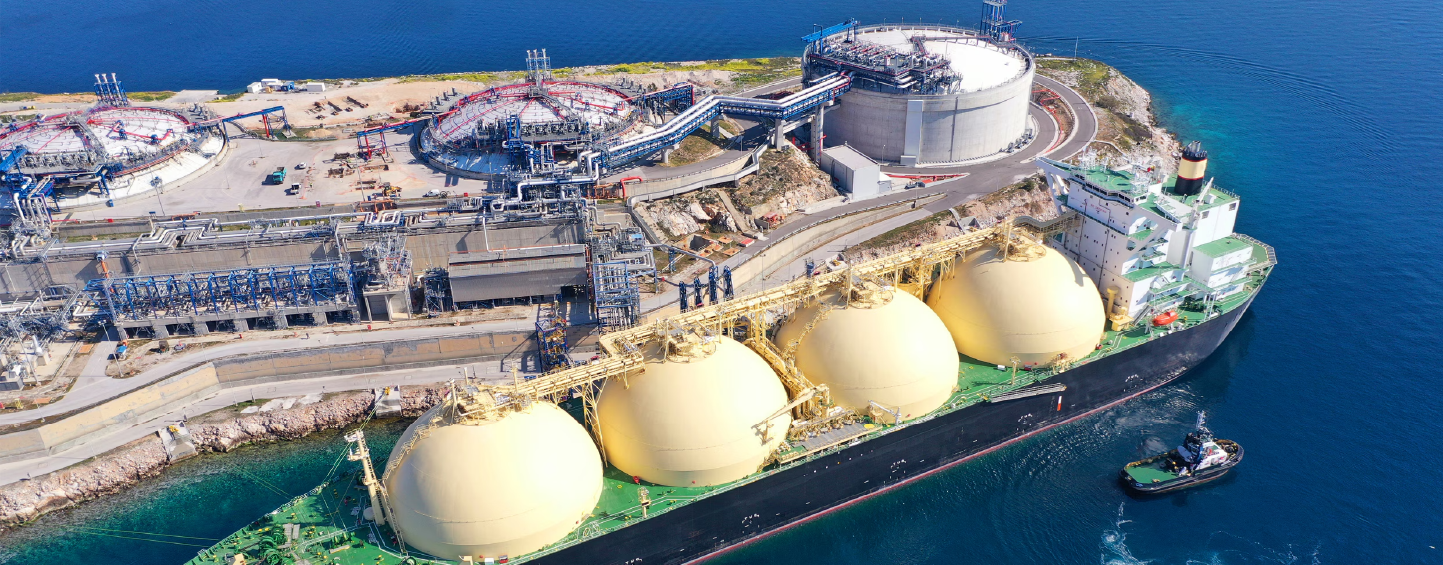
Global LNG infrastructure is entering a new era where operational excellence depends as much on digital intelligence as physical capacity. As LNG import terminals, export facilities, and regasification plants handle larger cargo volumes and increasingly complex supply chains, operators are investing in LNG terminal automation to improve safety, reliability, throughput, and real-time operational visibility. The industry's focus is shifting from traditional control systems toward intelligent, connected terminals powered by Artificial Intelligence (AI), Industrial Internet of Things (IIoT), advanced process control, digital twins, predictive maintenance, and centralized operations centers. Industry operators are increasingly using automation, AI, and digital twins to improve throughput, maintenance, and operational resilience across LNG facilities.
Modern LNG terminals are no longer isolated facilities that simply receive or export natural gas. They have become interconnected operational ecosystems where cryogenic storage, marine loading, regasification systems, compressors, utilities, pipelines, and safety systems communicate continuously through intelligent automation platforms. This transformation is helping LNG operators reduce operational variability, optimize asset performance, and build more resilient infrastructure across global LNG markets.
As LNG demand continues to grow across North America, Asia, Europe, and emerging energy markets, automation is becoming a strategic investment for building future-ready import and export terminals.
Why LNG Terminal Automation Is Becoming an Industry Priority
LNG terminals operate in highly dynamic environments where safety, precision, and continuous availability are essential. Operators must manage cryogenic temperatures, fluctuating gas demand, ship loading schedules, boil-off gas systems, vaporization processes, and pipeline deliveries simultaneously.
LNG terminal automation helps operators:
-
Improve operational reliability.
-
Increase terminal throughput.
-
Reduce manual intervention.
-
Optimize energy consumption.
-
Strengthen safety systems.
-
Improve cargo scheduling.
-
Enhance operational visibility.
Intelligent automation enables faster responses during routine operations, startups, shutdowns, and changing market conditions.
Building Intelligent LNG Import and Export Terminals
Modern LNG terminals integrate multiple automation technologies into a unified operational platform that connects every critical asset across the facility.
Core automated infrastructure includes:
-
LNG unloading systems.
-
Cryogenic storage tanks.
-
Regasification units.
-
Liquefaction trains.
-
Marine loading arms.
-
Boil-off gas compressors.
-
Pipeline send-out systems.
-
Utility and power management systems.
Integrated automation platforms coordinate these systems through centralized operational control. Modern LNG facilities increasingly integrate process control, electrical systems, and maintenance platforms into connected operational architectures.
SCADA and Distributed Control Systems Power Terminal Operations
SCADA and Distributed Control Systems (DCS) remain the operational backbone of LNG terminal automation.
These systems provide:
-
Real-time process monitoring.
-
Pressure and temperature control.
-
LNG inventory management.
-
Tank level monitoring.
-
Pipeline flow control.
-
Alarm management.
-
Utility system monitoring.
-
Emergency shutdown coordination.
Centralized operational visibility allows operators to manage multiple terminal processes simultaneously while maintaining safe operating conditions.
Advanced Process Control Improves LNG Throughput
Advanced Process Control (APC) is helping LNG terminals move closer to optimal operating conditions without compromising safety.
APC supports:
-
Vaporizer optimization.
-
Boil-off gas management.
-
Compressor optimization.
-
Send-out pressure control.
-
Energy optimization.
-
Refrigeration efficiency.
-
Terminal throughput optimization.
Industrial IoT Creates Real-Time Operational Visibility
Industrial IoT devices continuously monitor thousands of operational parameters across LNG terminals.
Connected sensors collect data from:
-
Cryogenic tanks.
-
Pumps and compressors.
-
Vaporizers.
-
Pipelines.
-
Loading arms.
-
Electrical systems.
-
Environmental monitoring equipment.
-
Fire and gas detection systems.
Real-time sensor data provides operators with continuous visibility into terminal performance and equipment health.
AI Is Driving Intelligent LNG Operations
Artificial Intelligence is becoming increasingly integrated into LNG terminal automation strategies.
AI applications include:
-
Predictive maintenance.
-
Equipment anomaly detection.
-
Cargo scheduling optimization.
-
Energy consumption forecasting.
-
Operational risk detection.
-
Boil-off gas optimization.
-
Maintenance prioritization.
-
Operational decision support.
AI helps reduce downtime while improving operational consistency across import and export facilities.
Digital Twins Enable Smarter Terminal Management
Digital twins create virtual operational models of LNG terminals using live operational data.
Digital twins help operators:
-
Simulate terminal operations.
-
Predict equipment degradation.
-
Optimize maintenance planning.
-
Improve startup and shutdown procedures.
-
Analyze process performance.
-
Train operators using virtual environments.
These virtual models improve engineering decisions while reducing operational uncertainty.
Predictive Maintenance Improves LNG Asset Reliability
LNG terminals depend on reliable performance from compressors, pumps, cryogenic equipment, loading systems, and utilities.
Predictive maintenance continuously monitors:
-
Compressor vibration.
-
Pump performance.
-
Valve health.
-
Heat exchanger efficiency.
-
Electrical equipment condition.
-
Cryogenic instrumentation.
-
Pipeline pressure behavior.
Condition-based maintenance helps operators reduce unexpected shutdowns while extending asset life.
Automating Marine Loading and LNG Transfer Operations
Marine loading is one of the most critical operational activities within LNG export and import terminals.
Automation improves:
-
Vessel scheduling.
-
LNG loading sequences.
-
Loading arm positioning.
-
Transfer rate optimization.
-
Custody transfer monitoring.
-
Safety interlocks.
-
Emergency shutdown coordination.
The LNG industry is increasingly automating LNG transfer operations to improve safety, reduce spill risk, and improve loading reliability. <Cite refs={["turn500263search10","turn500263search4"]}/>
Centralized Operations Centers Improve Terminal Visibility
Many LNG operators are adopting centralized operations centers capable of monitoring multiple terminals and assets from one location.
Operations centers provide visibility into:
-
Terminal KPIs.
-
LNG inventory.
-
Cargo movements.
-
Equipment health.
-
Energy consumption.
-
Maintenance status.
-
Safety events.
Centralized operational intelligence improves coordination across engineering, maintenance, logistics, and commercial teams.
Cybersecurity Protects Automated LNG Infrastructure
As LNG terminals become increasingly connected, Operational Technology cybersecurity becomes a critical operational requirement.
Important cybersecurity measures include:
-
Network segmentation.
-
Identity and access management.
-
Secure remote connectivity.
-
Continuous threat monitoring.
-
Industrial firewall protection.
-
Secure SCADA communications.
-
OT cybersecurity governance.
Protecting automation systems helps ensure operational continuity across critical LNG infrastructure.
Integrating Automation Across the LNG Value Chain
LNG terminal automation is becoming increasingly connected with enterprise-wide operational platforms.
Integration includes:
-
Enterprise Asset Management (EAM).
-
Maintenance Management Systems.
-
Pipeline operations.
-
Supply chain logistics.
-
Energy management platforms.
-
Industrial cloud infrastructure.
-
Digital reporting systems.
This integration enables end-to-end operational visibility across LNG production, storage, transportation, and distribution.
Challenges in Modernizing LNG Terminal Automation
Building intelligent LNG terminals requires modernization across technology, infrastructure, and workforce capabilities.
Legacy Infrastructure Integration
Brownfield terminals often require phased automation upgrades.
Operational Complexity
Import, export, storage, and regasification systems must operate as one coordinated environment.
Cybersecurity
Greater connectivity increases Operational Technology security requirements.
Workforce Development
Terminal operators require expertise in digital automation, AI, and Industrial IoT technologies.
Data Integration
Operational data must remain consistent across multiple automation platforms and enterprise systems.
A phased modernization strategy helps LNG operators improve automation while maintaining uninterrupted operations.
The Future of Autonomous LNG Terminals
The LNG industry is moving toward increasingly autonomous operations where AI, procedural automation, digital twins, advanced process control, and predictive analytics work together to reduce manual intervention and improve operational performance. Industry guidance increasingly describes autonomous LNG as the next stage of operational maturity, with automation supporting startups, shutdowns, maintenance, and real-time optimization. <Cite refs={["turn500263search6","turn500263search11"]}/>
Future capabilities are expected to include:
-
AI-powered terminal copilots.
-
Autonomous operational workflows.
-
Intelligent cryogenic monitoring.
-
Edge AI for terminal operations.
-
Predictive cargo optimization.
-
Autonomous inspection technologies.
-
Enterprise-wide LNG operations platforms.
These innovations will help LNG terminals improve safety, increase throughput, and operate more efficiently in increasingly competitive global LNG markets.
Building the Next Generation of Intelligent LNG Infrastructure
LNG terminal automation is transforming import and export facilities into intelligent operational ecosystems capable of managing complex LNG infrastructure with greater precision and resilience. By integrating AI, Industrial IoT, SCADA, advanced process control, predictive maintenance, digital twins, and centralized operations centers, operators can improve operational efficiency while strengthening safety and asset reliability.
As LNG infrastructure continues expanding globally, intelligent automation will become a defining capability for terminals seeking higher throughput, lower operational risk, improved energy efficiency, and smarter real-time decision-making across the LNG value chain.
Explore the Future of LNG Infrastructure & Operations
The LNG Americas Conference by PTN Events brings together LNG producers, terminal operators, EPC contractors, automation specialists, technology providers, infrastructure developers, and industry leaders to discuss innovations transforming LNG infrastructure and operations.
Key discussion areas include LNG terminal automation, AI-powered LNG operations, digital twins, Industrial IoT, predictive maintenance, cryogenic monitoring, LNG logistics, operational technology, and intelligent LNG import and export facilities.
Register for the conference:
https://ptnevents.com/conferences/lng-americas/register