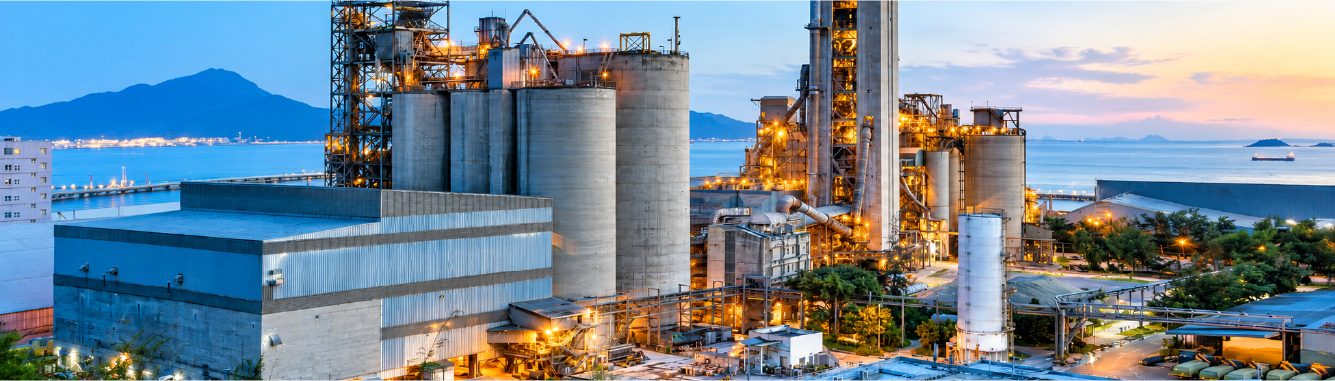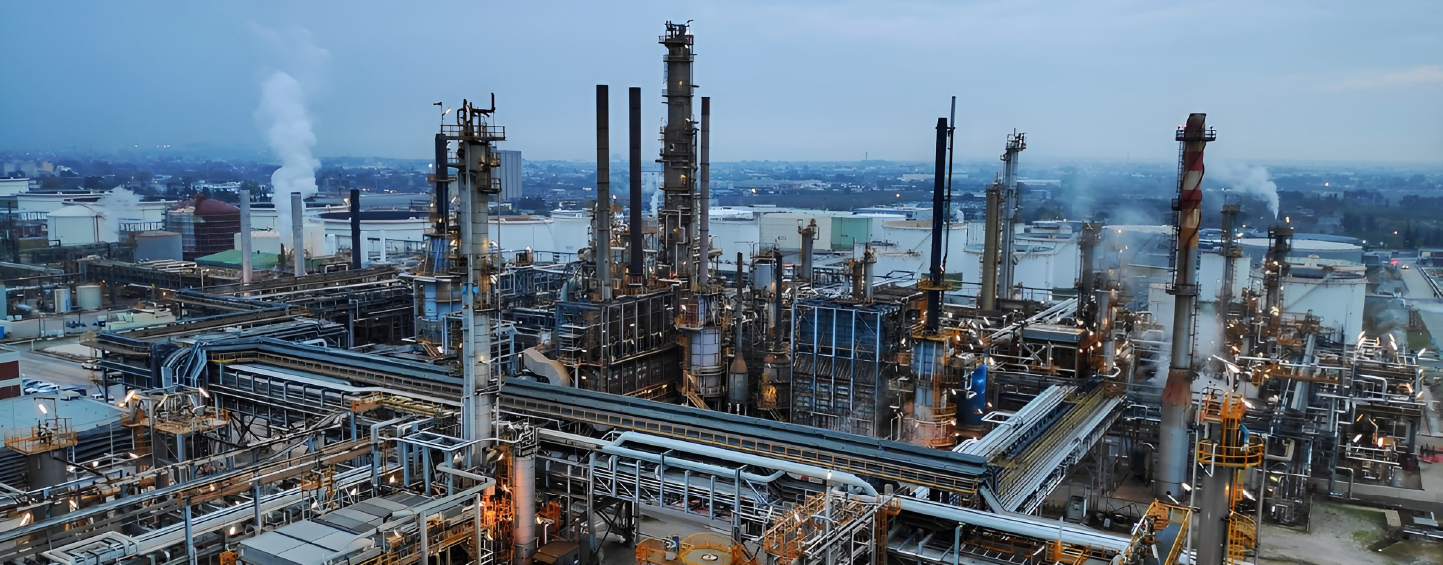
India's refining industry is entering a new phase of transformation driven by digital technologies, operational efficiency, cleaner fuel production, and growing domestic energy demand. As one of the world's largest refining hubs, India is investing heavily in refinery modernization to improve processing capacity, enhance operational reliability, strengthen energy security, and support the country's long-term industrial growth.
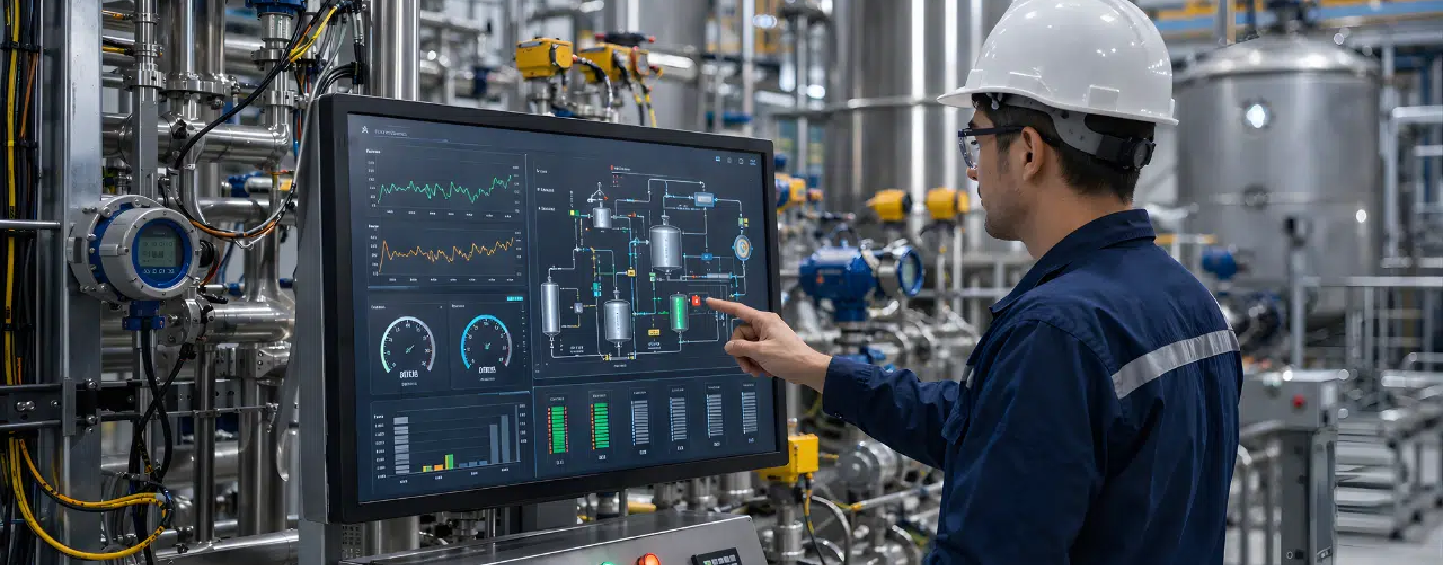
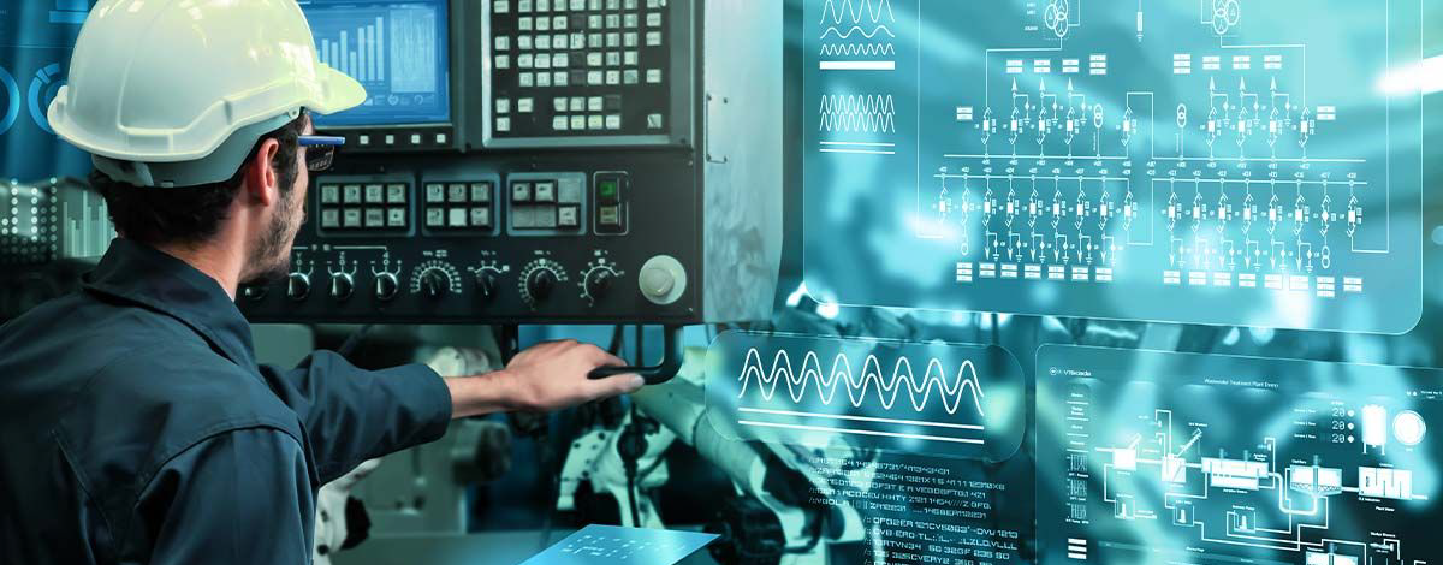
Modern refineries are evolving beyond traditional processing facilities into intelligent industrial ecosystems powered by Artificial Intelligence (AI), Industrial Internet of Things (IIoT), advanced process automation, predictive maintenance, digital twins, and centralized operations centers. These technologies enable refiners to optimize production, improve asset utilization, reduce emissions, and respond more efficiently to changing market conditions.
As India expands its refining capacity and strengthens its position in global petroleum markets, refinery modernization is becoming a strategic priority for building smarter, safer, and more resilient processing infrastructure.
Why Refinery Modernization Is Critical for India's Oil & Gas Sector
India's growing fuel demand, expanding petrochemical industry, and increasing exports of refined petroleum products require refineries that are more efficient, flexible, and digitally connected.
A modern refinery strategy helps operators:
-
Improve refining efficiency.
-
Increase production flexibility.
-
Enhance asset reliability.
-
Reduce operational downtime.
-
Improve energy efficiency.
-
Strengthen environmental performance.
-
Support cleaner fuel production.
Modernization also enables refineries to process a wider range of crude oil grades while improving operational resilience.
Building Smarter Refinery Infrastructure Through Digitalization
Digital transformation is becoming the foundation of India's refinery modernization strategy.
Modern refinery infrastructure integrates:
-
Industrial IoT sensors.
-
Distributed Control Systems (DCS).
-
SCADA platforms.
-
AI-powered analytics.
-
Digital twins.
-
Edge computing.
-
Enterprise Asset Management (EAM).
-
Centralized operations centers.
Connected infrastructure provides real-time visibility across refining operations, utilities, storage, and logistics.
AI Is Transforming Refinery Operations
Artificial Intelligence is helping refinery operators optimize complex industrial processes through continuous operational analysis.
AI applications include:
-
Process optimization.
-
Equipment anomaly detection.
-
Energy optimization.
-
Predictive maintenance.
-
Production forecasting.
-
Intelligent alarm management.
-
Quality optimization.
-
Operational risk assessment.
AI enables faster operational decisions while improving production stability and efficiency.
Advanced Process Automation Improves Operational Efficiency
Automation is modernizing refinery operations by reducing manual intervention across critical processing units.
Automation supports:
-
Process control optimization.
-
Distillation unit performance.
-
Catalytic cracking optimization.
-
Utility management.
-
Heat exchanger optimization.
-
Tank farm automation.
-
Pipeline monitoring.
-
Loading and dispatch automation.
Smarter automation improves throughput while maintaining safe operating conditions across refinery assets.
Predictive Maintenance Extends Critical Refinery Asset Life
Refineries operate thousands of rotating and static assets that require continuous monitoring.
Predictive maintenance uses operational data from:
-
Pumps.
-
Compressors.
-
Heat exchangers.
-
Turbines.
-
Valves.
-
Furnaces.
-
Cooling systems.
-
Electrical equipment.
By identifying equipment degradation early, predictive maintenance reduces unplanned shutdowns and improves refinery reliability.
Digital Twins Improve Refinery Performance
Digital twins create virtual models of refinery equipment and processing units using live operational data.
Refinery digital twins help operators:
-
Simulate production scenarios.
-
Monitor equipment health.
-
Optimize maintenance planning.
-
Improve energy efficiency.
-
Predict operational bottlenecks.
-
Evaluate process changes.
-
Estimate remaining asset life.
Digital twins support better engineering decisions while minimizing operational disruption.
Energy Efficiency Is Central to Refinery Modernization
Improving energy efficiency remains one of the largest opportunities for refinery modernization.
Digital technologies optimize:
-
Steam systems.
-
Heat recovery networks.
-
Furnace efficiency.
-
Utility consumption.
-
Process integration.
-
Energy monitoring dashboards.
Reducing energy intensity improves operational costs while supporting sustainability goals across refinery operations.
Operational Technology Creates Connected Refinery Operations
Operational Technology (OT) connects physical refinery equipment with digital operational platforms.
Modern OT environments support:
-
Real-time monitoring.
-
Intelligent process control.
-
Asset performance management.
-
Remote diagnostics.
-
Industrial cybersecurity.
-
Operations center visibility.
Connected OT infrastructure enables operators to manage increasingly complex refinery operations more effectively.
Industrial Data Improves Refinery Decision-Making
Modern refineries generate continuous operational data across production, maintenance, safety, and utilities.
Data-driven operations improve:
-
Production planning.
-
Equipment reliability.
-
Maintenance prioritization.
-
Inventory management.
-
Operational forecasting.
-
Safety performance.
-
Environmental compliance.
Industrial analytics help operators convert operational data into actionable business intelligence.
Cybersecurity Protects Digital Refinery Infrastructure
As refinery operations become increasingly connected, Operational Technology cybersecurity becomes a strategic priority.
Key cybersecurity capabilities include:
-
Network segmentation.
-
Identity and access management.
-
Secure OT networks.
-
Continuous threat monitoring.
-
Secure remote operations.
-
Industrial cybersecurity governance.
Strong cybersecurity helps protect critical refinery infrastructure while supporting digital transformation initiatives.
Supporting Cleaner Fuel Production Through Modern Infrastructure
Refinery modernization is also supporting India's transition toward cleaner fuel production and improved environmental performance.
Modern processing infrastructure enables:
-
Cleaner fuel manufacturing.
-
Emissions monitoring.
-
Carbon management integration.
-
Process efficiency improvements.
-
Hydrogen integration opportunities.
-
Low-carbon refinery technologies.
Digital technologies help refiners achieve operational efficiency alongside environmental performance improvements.
Challenges in Modernizing India's Refinery Infrastructure
Modernizing refinery infrastructure requires coordinated investment across technology, operations, and workforce development.
Legacy System Integration
Older refinery assets require integration with modern digital platforms.
Capital Investment
Advanced automation and digital technologies require long-term infrastructure investment.
Workforce Upskilling
Operations teams need expertise in AI, automation, Industrial IoT, and digital operations.
Data Integration
Operational, maintenance, and enterprise systems must operate within a connected data environment.
Cybersecurity
Expanding digital connectivity requires stronger protection across Operational Technology infrastructure.
Addressing these challenges is essential for building future-ready refinery operations.
The Future of Smart Refineries in India
India's refinery modernization strategy is moving toward intelligent, connected, and highly automated processing infrastructure. Future investments are expected to focus on AI-driven process optimization, autonomous operations centers, digital twins, industrial edge computing, predictive maintenance, carbon management technologies, and integrated refinery data platforms.
These capabilities will help refineries improve operational agility, optimize production efficiency, strengthen energy security, and remain competitive in evolving global petroleum markets.
Building the Next Generation of Refining Infrastructure in India
India's refinery modernization strategy is transforming refining infrastructure into intelligent industrial operations powered by digital technologies and advanced automation. By integrating AI, predictive maintenance, Industrial IoT, digital twins, and operational intelligence, refiners can improve asset performance while building safer, more efficient processing facilities.
As India continues expanding refining capacity and investing in industrial infrastructure, refinery modernization will remain a critical pillar supporting the country's energy security, manufacturing growth, and long-term oil and gas competitiveness.
Explore the Future of Oil & Gas in India
The Future of Oil & Gas in India Conference by PTN Events brings together refinery operators, upstream companies, EPC contractors, technology providers, policymakers, automation leaders, and industry experts to discuss the future of India's oil and gas infrastructure.
Key discussion areas include refinery modernization, digital refineries, AI in refinery operations, Industrial IoT, automation, predictive maintenance, energy infrastructure, operational excellence, and industrial digital transformation.
Register for the conference:
https://ptnevents.com/conferences/future-oil/register