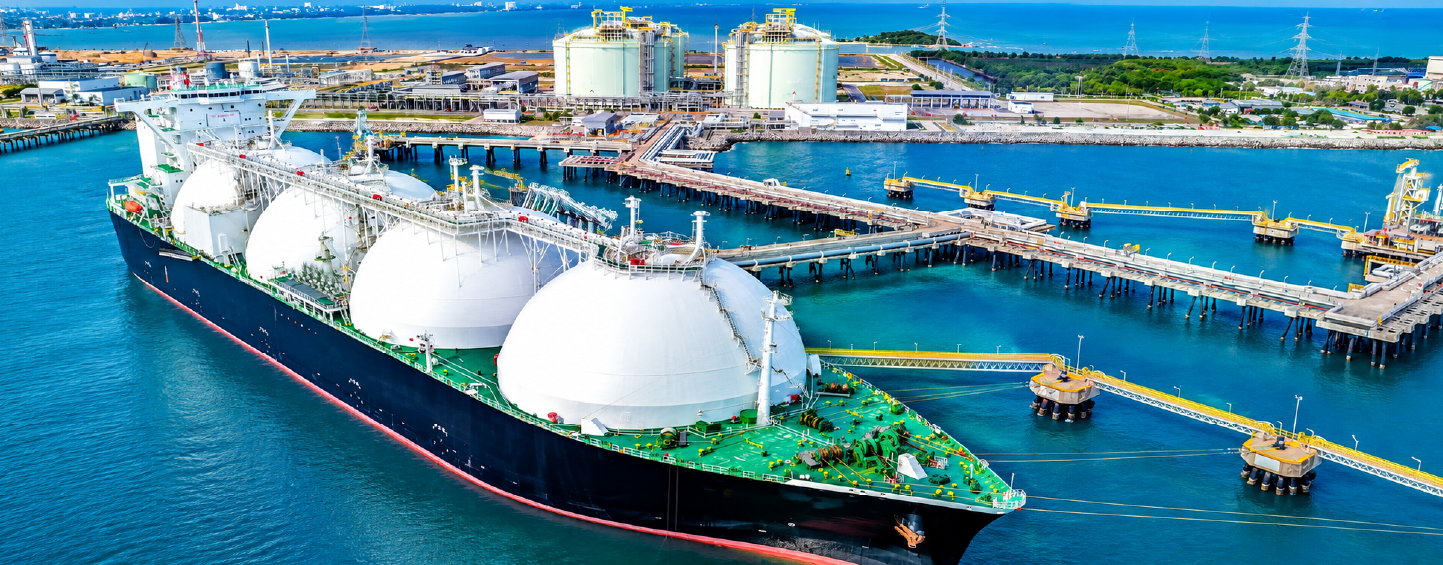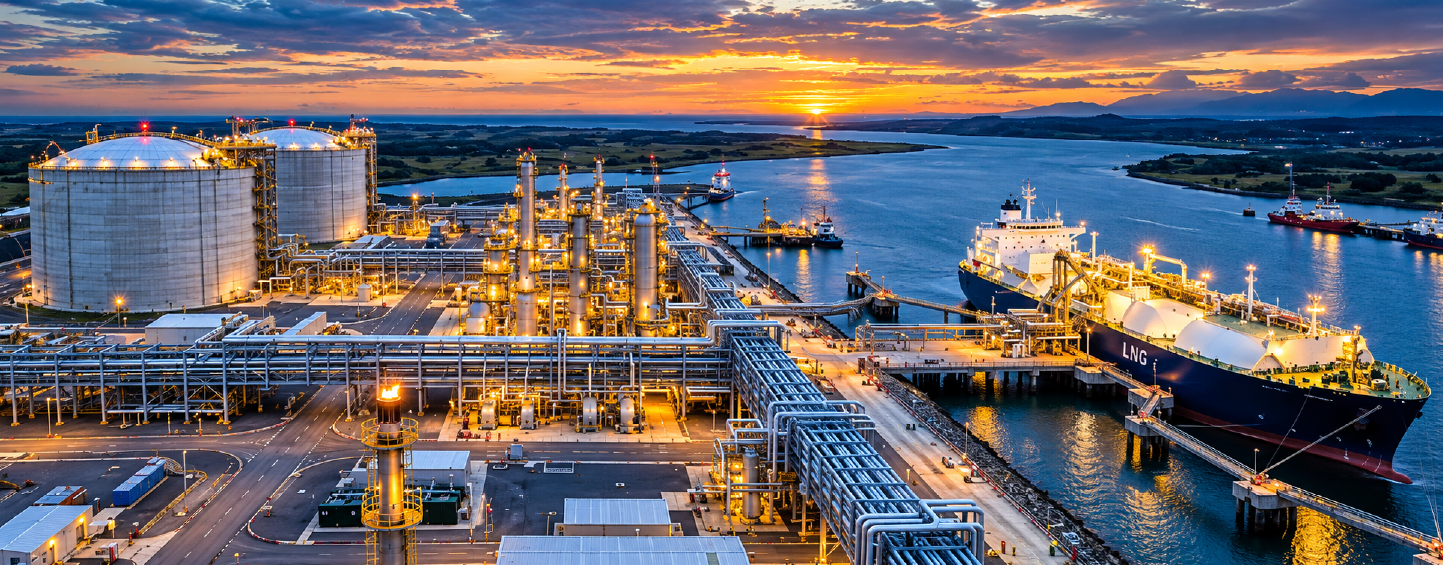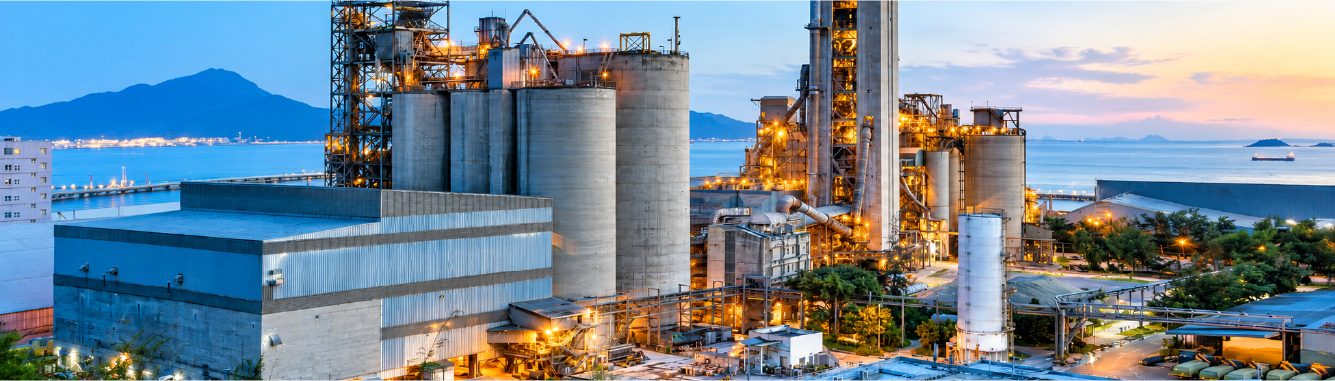
The transition to a lower-carbon industrial economy is no longer being driven by individual projects alone. Across North America, industries are increasingly developing Industrial Energy Clusters that connect hydrogen production, carbon capture infrastructure, manufacturing facilities, refineries, petrochemical plants, power generation, and logistics networks into integrated regional ecosystems. This collaborative infrastructure model is helping heavy industries reduce emissions while maintaining operational reliability and long-term competitiveness.
Rather than building standalone decarbonization projects, industrial energy clusters create shared infrastructure that supports multiple industrial sectors through hydrogen pipelines, carbon capture networks, CO₂ transportation systems, renewable power integration, industrial storage, and digital operations platforms. These clusters improve infrastructure efficiency, reduce capital costs, and accelerate the deployment of scalable low-carbon technologies.
As North America continues investing in industrial decarbonization, energy clusters are becoming a strategic foundation for hydrogen economies, carbon management, and future-ready manufacturing infrastructure.
Why Industrial Energy Clusters Are Reshaping Heavy Industry
Heavy industries require reliable, high-volume energy solutions that support continuous production while reducing carbon emissions.
Industrial energy clusters help organizations:
-
Share hydrogen infrastructure.
-
Connect carbon capture and storage networks.
-
Reduce infrastructure duplication.
-
Improve industrial energy resilience.
-
Accelerate low-carbon manufacturing.
-
Strengthen regional supply chains.
-
Enable long-term industrial decarbonization.
This regional approach creates stronger collaboration between energy producers, manufacturers, infrastructure developers, and technology providers.
Hydrogen Infrastructure Is the Backbone of Industrial Energy Clusters
Hydrogen is becoming a critical industrial fuel and feedstock for manufacturing sectors that are difficult to electrify.
Industrial hydrogen infrastructure includes:
-
Hydrogen production facilities.
-
Electrolyzers.
-
Hydrogen pipelines.
-
Compression stations.
-
Storage facilities.
-
Industrial distribution networks.
-
Hydrogen fueling infrastructure.
Shared hydrogen infrastructure allows multiple industries to access reliable hydrogen without building separate supply systems.
Carbon Capture Networks Connect Industrial Emitters
Carbon Capture, Utilization, and Storage (CCUS) is becoming increasingly integrated within industrial energy clusters.
Carbon infrastructure supports:
-
Industrial carbon capture facilities.
-
CO₂ gathering systems.
-
Compression stations.
-
CO₂ transportation pipelines.
-
Geological storage sites.
-
Carbon monitoring platforms.
Connecting multiple emitters through shared infrastructure improves project economics while supporting regional emissions reduction.
Building Low-Carbon Manufacturing Ecosystems
Industrial energy clusters bring together multiple manufacturing sectors that benefit from shared energy and carbon infrastructure.
Key industries include:
-
Oil and gas refining.
-
Petrochemicals.
-
Fertilizer production.
-
Steel manufacturing.
-
Cement production.
-
Chemical manufacturing.
-
Power generation.
-
Industrial logistics.
Shared infrastructure enables coordinated decarbonization across entire industrial regions.
Digital Infrastructure Powers Connected Industrial Clusters
Modern industrial energy clusters rely on digital technologies to monitor and optimize complex infrastructure networks.
Digital capabilities include:
-
Industrial Internet of Things (IIoT).
-
Digital twins.
-
AI-powered operational analytics.
-
Real-time infrastructure monitoring.
-
Pipeline integrity management.
-
Predictive maintenance.
-
Industrial cloud platforms.
-
Centralized operations centers.
These technologies improve operational visibility across hydrogen, carbon capture, and manufacturing infrastructure.
AI and Predictive Analytics Improve Infrastructure Performance
Artificial Intelligence helps operators optimize large industrial ecosystems by analyzing operational data across multiple assets.
AI applications include:
-
Hydrogen demand forecasting.
-
Carbon flow optimization.
-
Pipeline performance monitoring.
-
Equipment health prediction.
-
Storage optimization.
-
Energy consumption analysis.
-
Operational anomaly detection.
-
Maintenance scheduling.
Predictive analytics improves infrastructure utilization while reducing operational risk.
Industrial Pipelines Create Connected Energy Corridors
Pipeline infrastructure is essential for transporting hydrogen and captured carbon between industrial facilities.
Industrial corridors connect:
-
Hydrogen production hubs.
-
Manufacturing plants.
-
Refineries.
-
Chemical facilities.
-
Carbon storage sites.
-
Logistics terminals.
-
Regional industrial parks.
Integrated pipeline networks improve supply reliability while supporting regional manufacturing growth.
Carbon Management Supports Long-Term Industrial Decarbonization
Carbon management infrastructure is becoming a permanent operational component of industrial energy clusters.
Carbon management includes:
-
Carbon capture.
-
CO₂ transportation.
-
Carbon storage.
-
Emissions monitoring.
-
Carbon accounting.
-
Industrial reporting platforms.
This integrated approach helps industries meet sustainability goals while maintaining operational efficiency.
Asset Integrity Across Hydrogen and Carbon Infrastructure
Industrial energy clusters require continuous monitoring of critical infrastructure assets.
Asset integrity programs include:
-
Pipeline monitoring.
-
Storage facility inspections.
-
Compression equipment monitoring.
-
Corrosion management.
-
Leak detection.
-
Structural health monitoring.
-
Predictive maintenance.
-
Risk-based inspections.
Digital asset integrity technologies improve infrastructure reliability across interconnected industrial systems.
Challenges in Developing Industrial Energy Clusters
Building regional industrial ecosystems requires coordinated investment across multiple sectors.
Infrastructure Investment
Hydrogen and carbon infrastructure require long-term capital deployment.
Cross-Industry Collaboration
Multiple industrial operators must share infrastructure and operational standards.
Regulatory Alignment
Projects often involve regional, national, and environmental regulatory coordination.
Digital Integration
Hydrogen, carbon, manufacturing, and logistics systems must operate on connected digital platforms.
Workforce Development
Industrial decarbonization requires expertise across hydrogen, CCUS, automation, and digital infrastructure.
Overcoming these challenges will accelerate the development of scalable industrial energy ecosystems.
The Future of Industrial Energy Clusters in North America
Industrial energy clusters are expected to become major hubs connecting hydrogen production, carbon capture, renewable energy integration, advanced manufacturing, logistics infrastructure, and digital industrial operations. Future developments will likely include expanded hydrogen corridors, AI-enabled carbon management, autonomous infrastructure monitoring, integrated industrial cloud platforms, and regional low-carbon manufacturing ecosystems.
These connected industrial networks will play an increasingly important role in strengthening North America's industrial competitiveness while supporting long-term decarbonization goals.
Building Connected Infrastructure for the Next Generation of Manufacturing
Industrial Energy Clusters are transforming how heavy industries approach energy, infrastructure, and emissions management. By integrating hydrogen infrastructure, carbon capture networks, digital operations, and low-carbon manufacturing into shared regional ecosystems, organizations can reduce emissions while improving operational resilience and infrastructure efficiency.
For manufacturers, energy companies, infrastructure developers, and technology providers, industrial energy clusters represent one of the most important strategies for building scalable, future-ready industrial infrastructure across North America.
As investments continue expanding, industrial energy clusters will become a cornerstone of the region's transition toward cleaner, smarter, and more connected industrial operations.
Explore the Future of Industrial Decarbonization
The North America Transition Summit by PTN Events brings together hydrogen developers, oil and gas companies, industrial manufacturers, CCUS providers, infrastructure developers, EPC contractors, technology leaders, and policymakers to discuss the infrastructure shaping industrial decarbonization across North America.
Key discussion areas include industrial energy clusters, hydrogen infrastructure, carbon capture networks, CCUS, low-carbon manufacturing, industrial digitalization, hydrogen pipelines, carbon management, and clean industrial infrastructure.
Register for the conference:
https://ptnevents.com/conferences/north-american-transition/register