This shift reflects a broader change in how downstream assets are planned and operated. Rather than treating refining and petrochemical production as separate activities, companies are increasingly looking to integrate the two processes, convert more refinery streams into chemical feedstocks and strengthen their position across the industrial value chain. The objective is to improve product diversification, capture greater value from crude oil and reduce dependence on selected imported chemicals and intermediates.
Recent projects across India demonstrate the scale of this transformation. From the integrated refinery-cum-petrochemical complex at Pachpadra in Rajasthan to IndianOil’s planned petrochemical investments at Paradip and expansion of existing refinery complexes, the country is building a downstream industry with a stronger emphasis on manufacturing depth and product value addition.
India’s Downstream Sector Is Moving Beyond Conventional Refining
For decades, India's refining industry has been primarily associated with producing transportation fuels, including petrol, diesel, aviation turbine fuel and other petroleum products. Refinery investments were largely driven by domestic fuel consumption, export opportunities, processing efficiency and the need to meet changing product specifications.
India’s Downstream Sector Is Moving Beyond Conventional Refining
For decades, India's refining industry has been primarily associated with producing transportation fuels, including petrol, diesel, aviation turbine fuel and other petroleum products. Refinery investments were largely driven by domestic fuel consumption, export opportunities, processing efficiency and the need to meet changing product specifications.
However, the growing demand for plastics, synthetic materials, packaging, textiles, automotive components, construction materials and industrial chemicals is creating new opportunities for refiners.
Petrochemicals provide a route to convert hydrocarbon feedstocks into products used across these industries. Basic building blocks such as ethylene, propylene, benzene and other aromatic compounds can be processed into polymers, synthetic fibres, resins, solvents and chemical intermediates.
As a result, downstream companies are reassessing how refinery configurations, feedstock availability and processing capacity can support a broader product portfolio.
The transformation is not simply about increasing petrochemical production. It is about developing a more integrated industrial model in which crude processing, chemical manufacturing and downstream conversion facilities operate as connected parts of the same value chain.
Why Refinery-Petrochemical Integration Is Becoming a Strategic Priority
Integrated refinery-petrochemical complexes allow operators to direct suitable refinery streams and intermediate products towards chemical manufacturing rather than relying exclusively on conventional fuel production.
Why Refinery-Petrochemical Integration Is Becoming a Strategic Priority
Integrated refinery-petrochemical complexes allow operators to direct suitable refinery streams and intermediate products towards chemical manufacturing rather than relying exclusively on conventional fuel production.
This approach creates several strategic advantages. It can improve feedstock utilisation, expand the range of products generated from crude oil and create opportunities to serve higher-value industrial markets. Integration can also support shared infrastructure, utilities, storage, logistics and operational services across refining and petrochemical facilities.
The commercial rationale is particularly relevant as refiners navigate changing fuel-demand patterns and increasing competition in international product markets. Petrochemicals provide an additional source of demand for hydrocarbon feedstocks and allow companies to participate in industries beyond transportation fuels.
India's policy direction also reflects this shift. The government has identified a rise in the Petrochemical Intensity Index of public-sector refineries as part of its downstream development plans. According to a December 2025 Ministry of Petroleum and Natural Gas announcement, the index was expected to increase from 4.1 to approximately 9.3 following completion of ongoing and planned refinery projects.
Major Projects Are Reshaping India’s Petrochemical Landscape
India's downstream transformation is becoming visible through investments in greenfield integrated complexes, refinery expansions and new petrochemical manufacturing facilities.
Major Projects Are Reshaping India’s Petrochemical Landscape
India's downstream transformation is becoming visible through investments in greenfield integrated complexes, refinery expansions and new petrochemical manufacturing facilities.
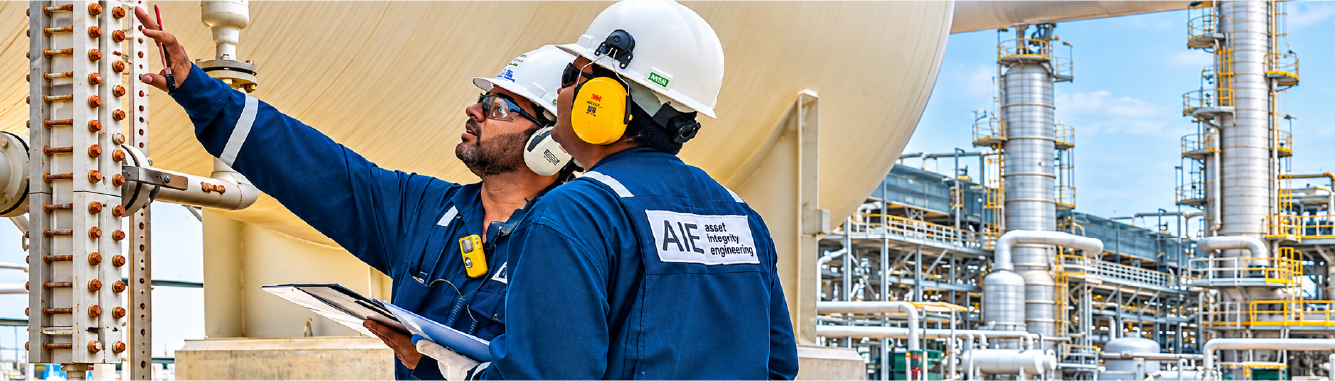
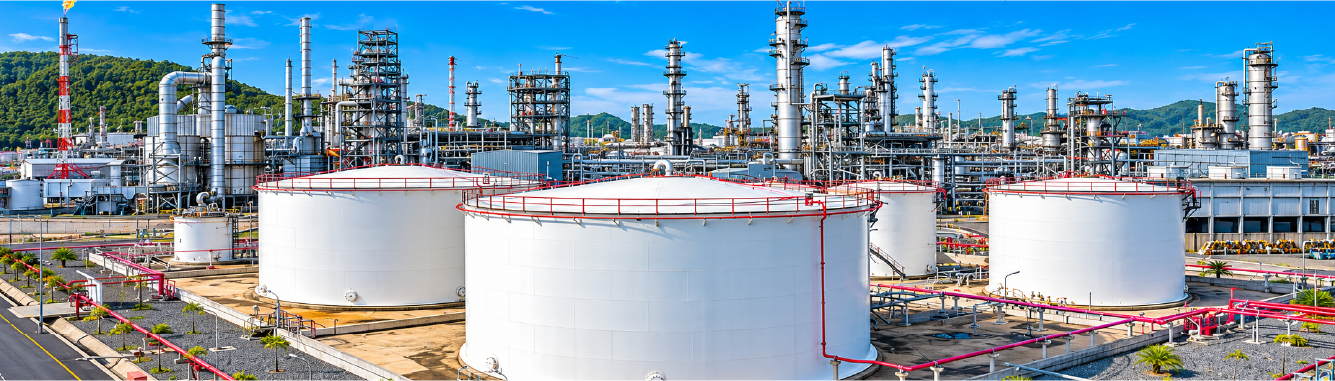
One of the most significant developments is the integrated refinery-cum-petrochemical complex at Pachpadra in Rajasthan. Developed by HPCL Rajasthan Refinery Limited, a joint venture between Hindustan Petroleum Corporation Limited and the Government of Rajasthan, the facility was dedicated to the nation in April 2026.
The complex has a refining capacity of 9 million metric tonnes per annum and petrochemical capacity of 2.4 million metric tonnes per annum. With an investment exceeding ₹79,450 crore and petrochemical yields above 26%, the project represents an important step towards integrating large-scale refining with chemical manufacturing. Its development is also expected to support a wider industrial ecosystem, including downstream manufacturing and a proposed Petrochemical and Plastic Park.
IndianOil is pursuing a similar strategy across its existing and planned assets. Its refining expansion programme at Panipat, Gujarat and Barauni is being accompanied by investments in petrochemical production. The company has also commissioned its Acrylics and Oxo-Alcohol Project at Gujarat Refinery, introducing domestic production of acrylic acid, butyl acrylate and normal butanol.
Strengthening Domestic Manufacturing Through Import Substitution
India's growing petrochemical demand presents a significant opportunity for domestic manufacturers. However, the availability of basic feedstocks does not automatically translate into self-sufficiency across the wider chemical value chain.
Strengthening Domestic Manufacturing Through Import Substitution
India's growing petrochemical demand presents a significant opportunity for domestic manufacturers. However, the availability of basic feedstocks does not automatically translate into self-sufficiency across the wider chemical value chain.
The country continues to face supply gaps in selected petrochemicals, specialty chemicals and downstream derivatives. This creates an opportunity for investment in additional production capacity, particularly where domestic consumption is supported by established manufacturing industries.
The focus on import substitution is therefore expanding beyond basic polymers. Developing indigenous production of chemical intermediates, additives and specialised derivatives can improve supply security for sectors such as automotive manufacturing, pharmaceuticals, electronics, textiles, agriculture, construction and consumer goods.
The policy challenge is to encourage investments across the full value chain rather than concentrating exclusively on large-scale commodity production.
Technology and Process Innovation Will Define Downstream Competitiveness
As Indian refineries expand their petrochemical capabilities, technology selection and process integration will become increasingly important.
Technology and Process Innovation Will Define Downstream Competitiveness
As Indian refineries expand their petrochemical capabilities, technology selection and process integration will become increasingly important.
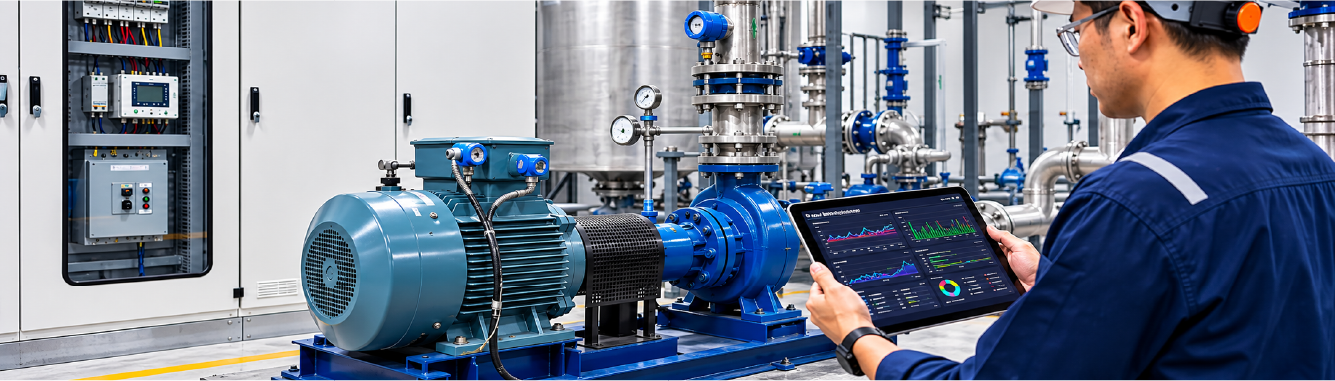
Modern integrated facilities require sophisticated process control, high-efficiency separation systems, advanced catalysts, optimised feedstock conversion and continuous monitoring of operating conditions. These capabilities influence product quality, production efficiency, energy consumption and overall plant reliability.
Digital technologies are also becoming more relevant to downstream operations. Advanced process control can help stabilise complex production units, while predictive analytics can identify equipment degradation and support maintenance planning. Integrated production-planning systems can coordinate refinery operations with petrochemical units, inventory requirements and product demand.
Digital twins and process simulation tools can support evaluation of operating scenarios, process optimisation and investment planning. At the same time, connected industrial systems require strong cybersecurity controls and reliable operational data management.
Feedstock Availability and Infrastructure Remain Critical Challenges
The expansion of India's petrochemical sector will depend heavily on reliable and commercially competitive feedstock supply.
Feedstock Availability and Infrastructure Remain Critical Challenges
The expansion of India's petrochemical sector will depend heavily on reliable and commercially competitive feedstock supply.
Different petrochemical processes require specific hydrocarbon streams, including naphtha, natural gas liquids, ethane, propane and other refinery-derived intermediates. The availability, quality and economics of these feedstocks influence the feasibility and competitiveness of individual projects.
India must therefore coordinate refinery development with feedstock transportation, pipeline connectivity, storage infrastructure and access to imported raw materials where domestic supply is insufficient.
Infrastructure planning is particularly important for large integrated complexes that depend on continuous movement of crude oil, intermediate products and finished chemicals.
Other challenges include capital-intensive project development, technology licensing, environmental compliance, water availability, emissions management and the need to develop specialised technical skills.
Explore the Future of Downstream Infrastructure and Industrial Transformation
Explore the Future of Downstream Infrastructure and Industrial Transformation
The Future of Oil & Natural Gas Conference 2026, organised by PTN Events, brings together oil and gas companies, policymakers, infrastructure developers, technology providers, EPC contractors and industry professionals to discuss developments shaping the sector.
With discussions spanning downstream infrastructure, refining, petrochemicals, industrial technology, project development, operational performance and investment opportunities, the conference provides an industry platform for examining the priorities influencing India's oil and gas landscape.
Explore the conference:
https://ptnevents.com/conferences/future-oil
Categories
India's Downstream Transformation