As global LNG infrastructure expands, regasification is becoming a critical link between imported liquefied natural gas and the pipeline networks, industrial facilities, and gas markets that depend on reliable supply. Traditional regasification systems have established a strong operational foundation, but changing market requirements are creating demand for technologies that offer greater efficiency, flexibility, reliability, and responsiveness.
Next-generation LNG regasification technologies are transforming how terminals manage LNG conversion, heat transfer, equipment performance, and gas delivery. From advanced vaporizers and hybrid heating systems to digital monitoring and intelligent process control, modern regasification infrastructure is increasingly designed around operational adaptability.
The Evolving Role of LNG Regasification
Regasification terminals must convert LNG from its cryogenic liquid state into natural gas while maintaining the pressure, temperature, flow, and quality required by downstream networks.
As LNG markets become more interconnected, terminals are increasingly expected to handle changing vessel schedules, variable gas demand, different LNG sources, and fluctuating operating conditions.
This is increasing the importance of regasification systems that can respond efficiently without compromising safety or reliability.
Modern LNG regasification infrastructure is therefore moving toward systems capable of delivering:
-
Higher operational efficiency
-
Greater vaporization capacity flexibility
-
Improved equipment reliability
-
Faster response to demand changes
-
Lower operating and maintenance requirements
-
Better integration with digital control systems
Advanced Vaporization Technologies
Vaporizers are at the heart of LNG regasification operations, and improvements in vaporization technology are creating opportunities to optimize terminal performance.
Open Rack Vaporizers (ORVs), Submerged Combustion Vaporizers (SCVs), and intermediate fluid systems each offer different operational characteristics depending on terminal design, environmental conditions, and available utilities.
Next-generation systems are increasingly focused on improving heat-transfer performance while reducing resource consumption and maintaining stable gas output.
Hybrid vaporization configurations can also provide operators with greater flexibility by allowing different vaporization technologies to be used according to operating conditions and demand requirements.
Improving Regasification Efficiency
Efficiency is becoming a major consideration as LNG terminals seek to control operating costs while maintaining high availability.
Advanced heat-exchange systems can improve the transfer of thermal energy required to vaporize LNG. Improved process controls can further optimize operating parameters based on LNG flow, ambient conditions, gas demand, and equipment performance.
The objective is not simply to maximize vaporization capacity. It is to achieve the required gas output using equipment and utilities as efficiently as possible.
This can involve optimizing:
-
Heat-transfer performance
-
Seawater or utility consumption
-
Fuel gas consumption
-
Pump performance
-
Vaporizer loading
-
Gas pressure and temperature
-
Auxiliary equipment operation
Digital Monitoring and Intelligent Regasification
Digital technologies are becoming increasingly important across modern LNG terminals.
Sensors, SCADA systems, Industrial IoT platforms, advanced analytics, and centralized control systems can provide operators with real-time visibility into critical regasification equipment.
Continuous monitoring can help identify changes in:
-
Vaporizer performance
-
LNG flow rates
-
Pressure and temperature
-
Pump condition
-
Heat-transfer efficiency
-
Equipment vibration
-
Gas quality
This data can support earlier identification of abnormal conditions and provide maintenance teams with better information for planning inspections and interventions.
Predictive Maintenance for Critical LNG Equipment
Regasification systems depend on pumps, vaporizers, valves, compressors, heat exchangers, instrumentation, and other critical equipment.
Unexpected equipment failure can disrupt gas delivery and create significant operational challenges. Predictive maintenance strategies can help operators move from scheduled or reactive maintenance toward condition-based approaches.
By combining equipment sensors with historical operating data and analytics, operators can identify performance deviations and potential equipment deterioration before they result in major failures.
For high-throughput LNG terminals, this approach can contribute to improved equipment availability and more predictable maintenance planning.
Operational Flexibility in a Changing LNG Market
LNG terminals increasingly need to operate under changing market conditions.
Gas demand can vary by season, industrial consumption, weather conditions, pipeline requirements, and market activity. At the same time, LNG cargoes can originate from different suppliers and arrive according to changing schedules.
Flexible regasification systems can help terminals respond to these changes by adjusting vaporization capacity, equipment configuration, and gas send-out according to demand.
This flexibility becomes particularly important for terminals serving multiple downstream markets or supporting interconnected gas transmission networks.
Floating and Modular Regasification Solutions
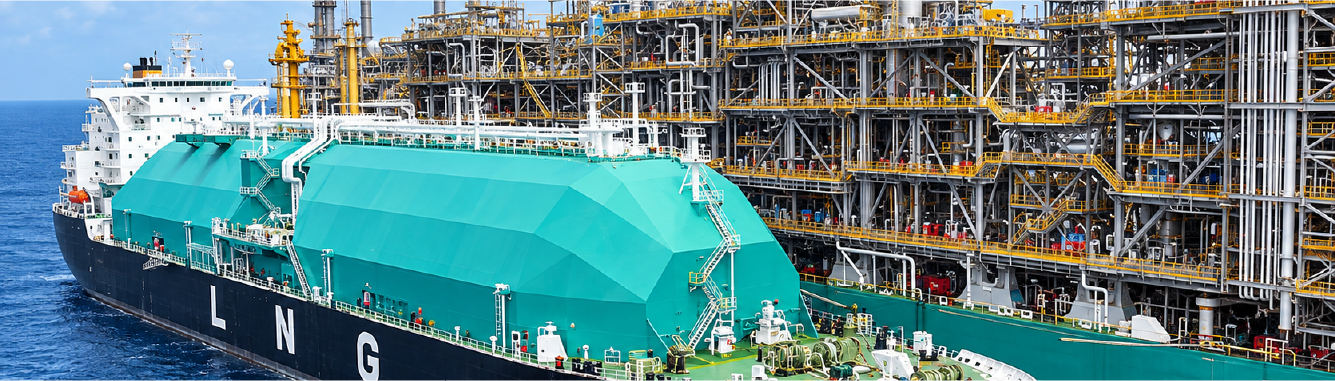
The development of Floating Storage and Regasification Units (FSRUs) has expanded the range of options available for LNG import infrastructure.
Compared with conventional onshore terminals, floating solutions can offer shorter deployment timelines and greater flexibility for markets seeking additional gas import capacity.
Modular regasification technologies can also support phased infrastructure development, allowing capacity to expand as demand increases.
These solutions are particularly relevant for emerging LNG markets where demand growth may not justify a large conventional terminal from the outset.
Safety and Reliability in Regasification Operations
LNG regasification involves cryogenic temperatures, high pressures, combustible gas, and complex process equipment. Safety therefore remains fundamental to terminal design and operation.
Next-generation systems are increasingly supported by automated shutdown systems, advanced instrumentation, leak detection, remote monitoring, process safety systems, and integrated control architectures.
Improved visibility across critical equipment can also help operators identify abnormal conditions earlier and respond more effectively.
The combination of physical safeguards and digital monitoring is creating a more comprehensive approach to LNG terminal reliability and operational safety.
The Future of LNG Regasification
The next generation of LNG regasification infrastructure will be defined by the convergence of efficient equipment, flexible process design, automation, and digital intelligence.
Advanced vaporization systems can improve thermal performance, while digital monitoring and predictive analytics can provide greater visibility into equipment condition. Flexible terminal configurations can help operators respond to changing LNG flows and downstream gas demand.
As LNG continues to support global gas markets, regasification terminals will increasingly need to operate as intelligent and adaptable infrastructure rather than simply as import facilities.
The future of LNG regasification will depend on how effectively terminals combine efficiency, reliability, flexibility, and digital operational intelligence.
For LNG operators, infrastructure developers, technology providers, and gas-market stakeholders, investment in next-generation regasification technologies can help create terminals that are better prepared for changing supply patterns and increasingly dynamic gas demand.
The opportunity is no longer simply to increase regasification capacity. It is to build LNG infrastructure capable of delivering reliable gas supply with greater operational control, efficiency, and adaptability.
LNG Americas 2026
Connect with senior LNG decision-makers and industry leaders to explore the technologies, infrastructure developments, and market trends shaping the future of LNG.
🔗 https://ptnevents.com/conferences/lng