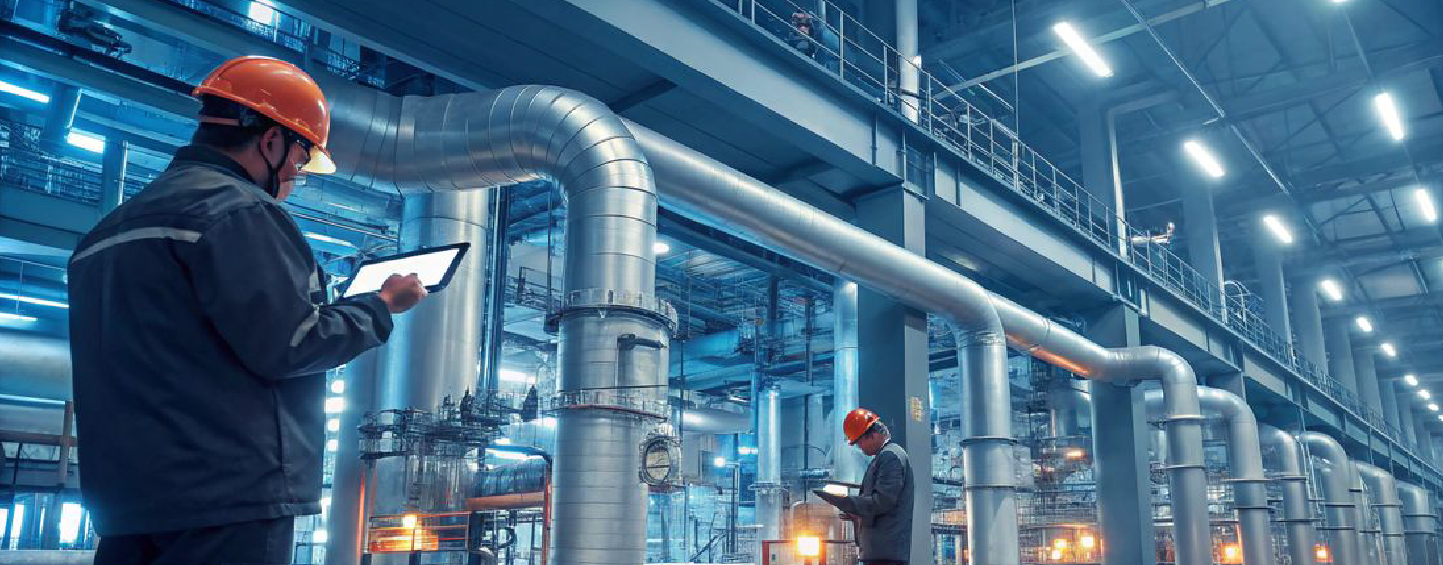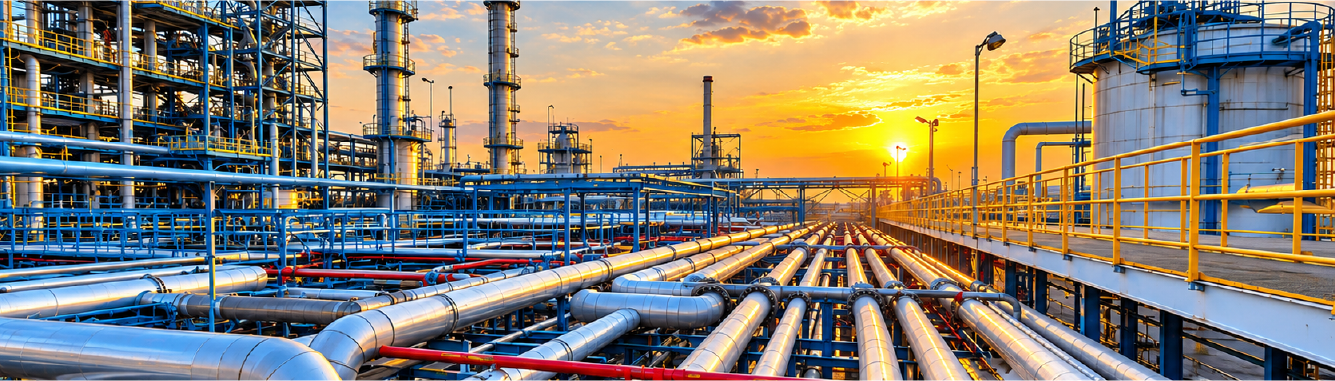
India’s natural gas infrastructure is entering a new phase of expansion as pipeline connectivity extends beyond established consumption centers toward emerging industrial corridors, manufacturing clusters, refineries, fertilizer plants, city gas networks, and other large-scale gas consumers.
The next generation of India’s gas pipeline network will not simply be about adding more pipeline kilometres. It will be about creating a more connected, flexible, and resilient transmission system capable of moving natural gas efficiently between import terminals, domestic production hubs, industrial markets, and regional distribution networks.
Expanding Gas Connectivity Across Industrial Corridors
India’s industrial development is increasingly concentrated around major economic corridors where manufacturing, petrochemicals, refining, fertilizers, chemicals, and other gas-intensive industries are expanding.
Connecting these clusters to reliable gas transmission infrastructure can improve access to natural gas while creating greater flexibility in sourcing and distribution.
Pipeline connectivity across industrial corridors can support:
-
Refineries and petrochemical complexes
-
Fertilizer and chemical manufacturing
-
Steel and other industrial facilities
-
City gas distribution networks
-
LNG-based industrial demand
-
Emerging manufacturing clusters
-
Power and other large-scale gas consumers
This broader network approach can help integrate industrial demand with the country’s growing gas supply infrastructure.
Integrating LNG Terminals With the National Gas Grid
India’s growing LNG import capacity is creating another important requirement: stronger pipeline connectivity between coastal LNG terminals and inland demand centers.
LNG terminals can provide access to global gas markets, but their commercial value depends heavily on the ability to transport regasified gas efficiently to consumption hubs.
New pipeline connections can therefore strengthen the link between:
LNG Terminals → National Gas Grid → Industrial Corridors → Regional Distribution Networks
This integration can improve the geographic reach of imported gas and help industrial users access supply beyond traditional pipeline-connected markets.
Building More Flexible Gas Transmission Infrastructure
Future gas demand will not be evenly distributed across India. Industrial activity, urbanization, manufacturing investments, and infrastructure development will create different demand patterns across regions.
This makes flexibility an increasingly important consideration for pipeline infrastructure.
Modern gas transmission systems are being designed with greater emphasis on network interconnectivity, bidirectional flows, compressor optimization, pressure management, metering, and real-time monitoring.
A more interconnected network can allow operators to respond more effectively to changing supply and demand conditions while improving overall system utilization.
Digitalization of India’s Gas Pipeline Network
The next generation of pipeline infrastructure will also depend heavily on digital technologies.
Pipeline operators are increasingly adopting SCADA systems, Industrial IoT sensors, remote monitoring, advanced analytics, digital inspection technologies, and automated control systems to improve visibility across large transmission networks.
Real-time operational data can help teams monitor:
-
Pipeline pressure and flow
-
Compressor performance
-
Leak indicators
-
Equipment condition
-
Gas quality
-
Network capacity
-
Maintenance requirements
Digital monitoring can also support predictive maintenance by identifying changes in equipment performance before they develop into more serious operational issues.
Pipeline Integrity and Operational Reliability
As India’s gas transmission network expands, maintaining pipeline integrity becomes increasingly important.
Long-distance pipelines operate across diverse geographical conditions and may cross agricultural areas, industrial zones, highways, rivers, and densely populated regions. This creates a need for continuous inspection, corrosion management, right-of-way monitoring, leak detection, and emergency response capabilities.
Pipeline integrity management can increasingly combine physical inspection with digital monitoring to provide operators with a more complete understanding of asset condition.
Technologies such as intelligent pigging, fiber-optic monitoring, drones, remote sensing, and analytics can support more proactive approaches to pipeline inspection and maintenance.
Connecting Industrial Growth With Reliable Gas Supply
The expansion of India’s gas pipeline infrastructure has implications beyond the transmission sector itself.
Reliable gas connectivity can support industrial facilities seeking predictable fuel and feedstock availability while enabling new manufacturing clusters to develop closer to established pipeline networks.
For industries such as fertilizers, chemicals, refining, petrochemicals, and other gas-intensive manufacturing sectors, pipeline connectivity can become an important component of long-term infrastructure planning.
As industrial corridors continue to develop, pipeline planning will increasingly need to consider future demand rather than simply existing consumption.
The Role of Data and Automation in Network Optimization
A larger and more interconnected gas grid also creates a more complex operational environment.
Pipeline operators need visibility across multiple assets, pressure zones, compressor stations, supply sources, and demand centers. Digital platforms can help bring this information together to support faster operational decisions.
Advanced analytics can be used to identify abnormal operating conditions, optimize compressor performance, forecast demand, and improve network utilization.
Over time, the combination of automation, real-time data, and predictive analytics could enable gas transmission networks to become more responsive and operationally intelligent.
Preparing India’s Gas Infrastructure for the Next Growth Cycle
India’s next generation gas pipeline network will be shaped by more than physical infrastructure expansion. Its effectiveness will depend on how well pipelines connect supply sources with the industrial and commercial markets driving future demand.
The combination of expanded transmission capacity, LNG terminal connectivity, industrial corridor development, pipeline integrity management, digital monitoring, and automated operations can create a more integrated gas infrastructure ecosystem.
As India continues developing new industrial clusters and strengthening domestic infrastructure, the gas pipeline network will remain an important link between supply, manufacturing growth, and regional connectivity.
The next stage of India’s gas infrastructure story is therefore not simply about building more pipelines. It is about building a smarter, more connected network capable of supporting the country’s evolving industrial landscape.
Discover the opportunities, infrastructure developments, and strategic trends shaping India’s next phase of oil & gas growth.
🔗 https://ptnevents.com/conferences/future-oil