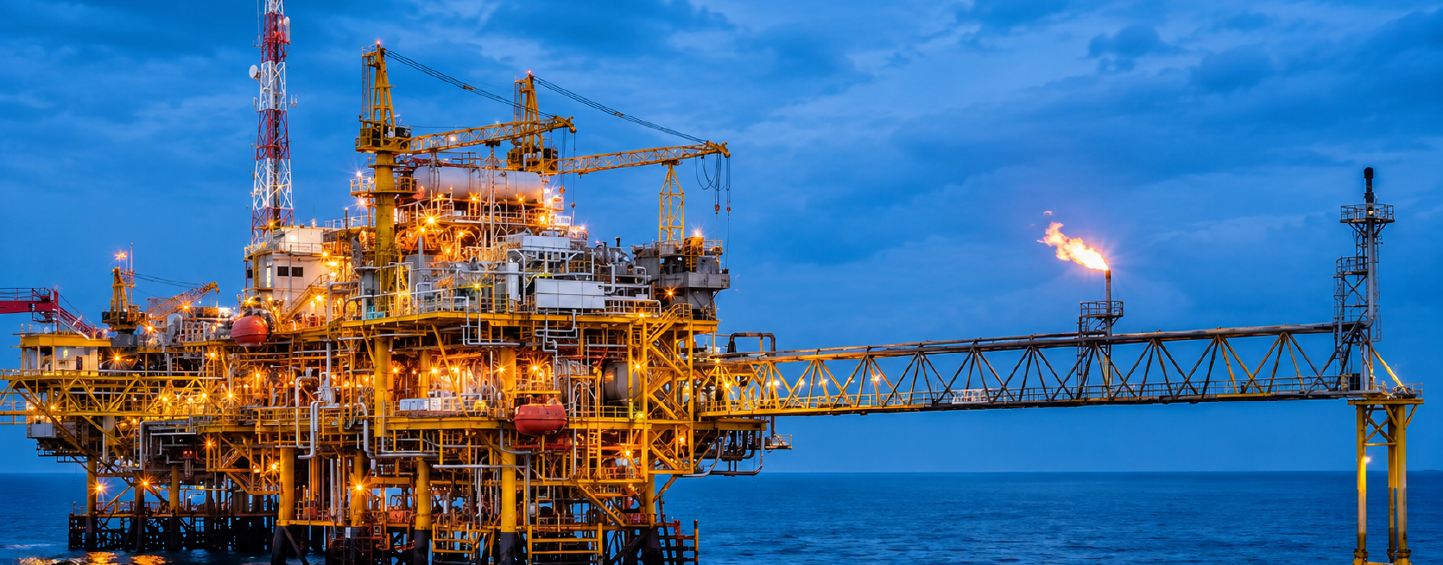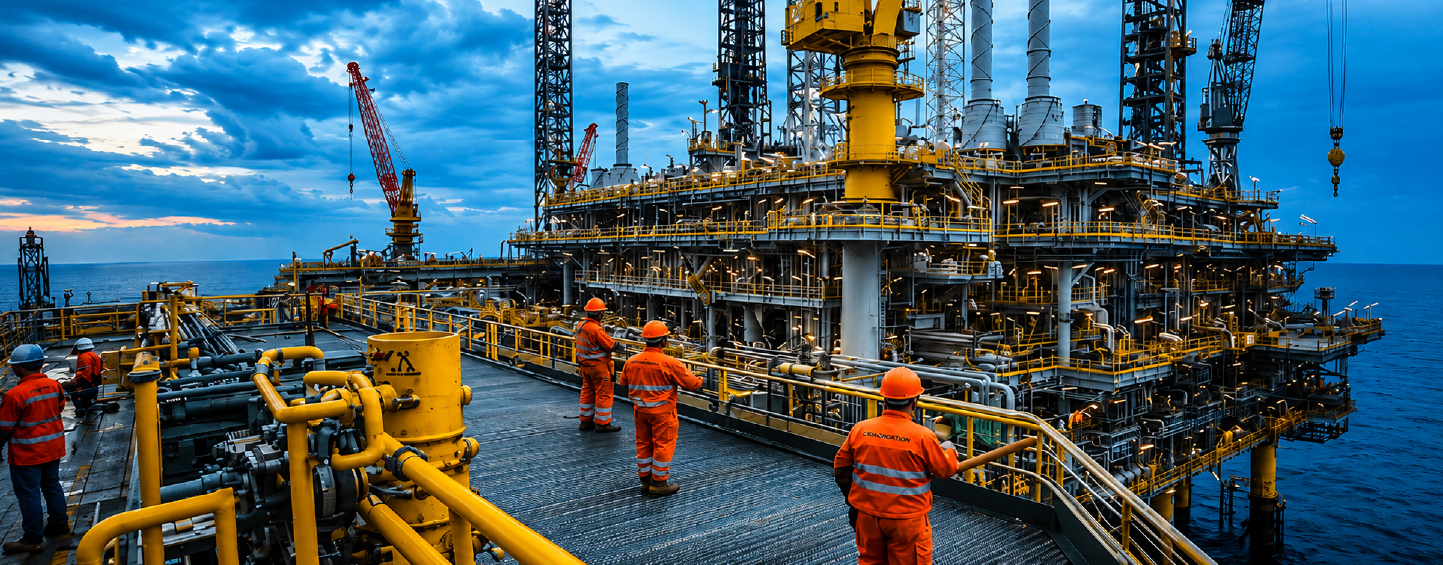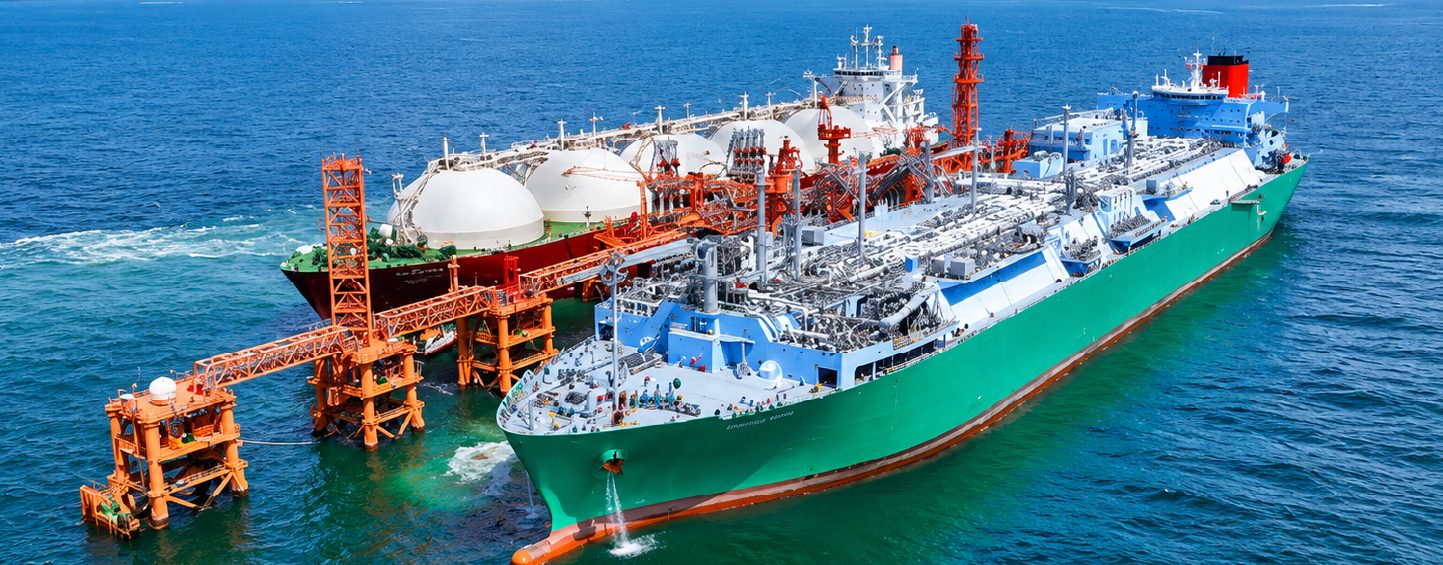
Reliable LNG terminals are the backbone of the global liquefied natural gas supply chain. Whether exporting LNG to international markets or importing natural gas for domestic consumption, terminals operate around the clock under demanding environmental and operational conditions. Every storage tank, cryogenic pump, compressor, regasification unit, loading arm, valve, and control system plays a critical role in maintaining uninterrupted LNG operations.
As global LNG demand continues to grow, terminal operators are under increasing pressure to maximize throughput, reduce unplanned downtime, improve equipment reliability, and optimize maintenance strategies. Modern LNG terminals are responding by adopting digital asset management, predictive maintenance, reliability-centered maintenance, industrial automation, and real-time operational monitoring to improve asset availability throughout the facility lifecycle.
The focus is shifting from reactive maintenance toward a more intelligent reliability strategy where operational data continuously supports maintenance planning, performance optimization, and long-term infrastructure resilience.
Why Reliability Is Critical for LNG Terminal Operations
LNG terminals are highly integrated facilities where the performance of one critical asset can directly affect terminal throughput, cargo schedules, regasification capacity, and downstream gas supply.
Reliable operations help operators achieve:
-
Higher terminal availability.
-
Reduced unplanned shutdowns.
-
Improved cargo handling efficiency.
-
Better asset utilization.
-
Lower maintenance costs.
-
Greater operational safety.
-
Consistent LNG supply reliability.
As LNG infrastructure becomes larger and more interconnected, reliability is becoming a key operational and commercial performance indicator.
Understanding Critical Assets in LNG Terminals
A typical LNG export or import terminal includes hundreds of interconnected assets operating in cryogenic environments.
Critical equipment includes:
-
LNG storage tanks.
-
Cryogenic pumps.
-
Compressors.
-
Vaporizers and regasification units.
-
Heat exchangers.
-
Loading and unloading arms.
-
LNG transfer pipelines.
-
Valves and actuators.
-
Electrical distribution systems.
-
Instrumentation and control systems.
Maintaining high availability across these assets is essential for ensuring continuous terminal operations.
Moving From Reactive to Predictive Maintenance
Traditional maintenance approaches often rely on scheduled inspections or repairing equipment after failures occur. Modern LNG terminals are increasingly adopting predictive maintenance strategies that use equipment condition and operational data to identify potential failures before they impact production.
Predictive maintenance combines:
-
Equipment condition monitoring.
-
Sensor data.
-
Vibration analysis.
-
Temperature monitoring.
-
Pressure monitoring.
-
Historical maintenance records.
-
Performance analytics.
This enables maintenance teams to prioritize interventions based on asset health rather than fixed maintenance intervals.
Asset Performance Management Improving Reliability
Asset Performance Management (APM) platforms provide a centralized approach to monitoring the health and performance of LNG terminal equipment.
APM solutions help operators:
-
Monitor critical asset health in real time.
-
Identify performance degradation.
-
Prioritize maintenance activities.
-
Reduce equipment failures.
-
Improve maintenance planning.
-
Extend asset lifecycle.
-
Optimize spare parts management.
By connecting operational data with maintenance workflows, operators gain better visibility into how asset performance affects overall terminal reliability.
Digital Technologies Supporting LNG Reliability
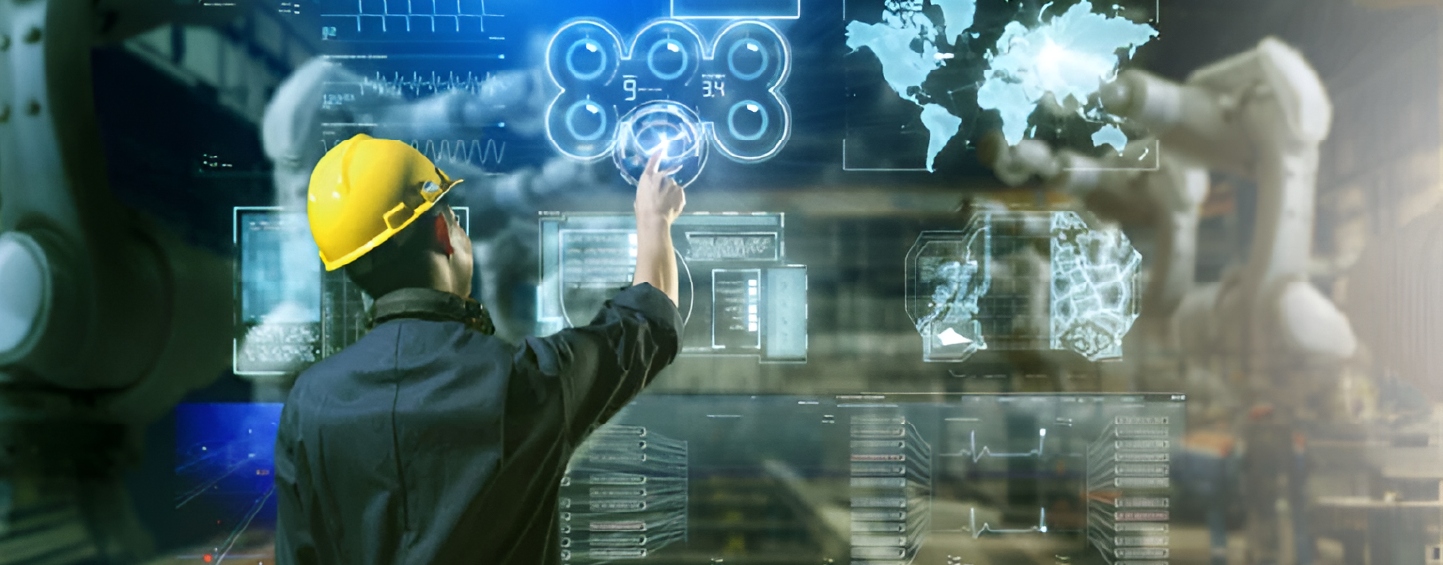
Digital transformation is becoming an important driver of LNG terminal reliability and operational performance.
Key technologies include:
-
Industrial Internet of Things (IIoT).
-
Artificial Intelligence (AI).
-
Machine Learning.
-
Digital Twins.
-
Real-time operational dashboards.
-
Remote asset monitoring.
-
Predictive analytics.
-
Cloud-based maintenance platforms.
These technologies help operators continuously evaluate equipment condition and respond more quickly to emerging operational issues.
Real-Time Monitoring Enhances Operational Visibility
Modern LNG terminals generate continuous operational data from thousands of sensors installed across critical equipment.
Real-time monitoring enables operators to track:
-
Equipment temperatures.
-
Pressure conditions.
-
Flow rates.
-
Pump performance.
-
Compressor efficiency.
-
Tank levels.
-
Valve status.
-
Energy consumption.
This operational visibility allows control room teams to identify abnormal operating conditions before they develop into equipment failures or operational disruptions.
Reliability-Centered Maintenance for Critical Equipment
Reliability-Centered Maintenance (RCM) is becoming an increasingly important maintenance methodology across LNG infrastructure.
Instead of treating every asset equally, RCM prioritizes maintenance based on:
-
Asset criticality.
-
Failure consequences.
-
Operational impact.
-
Safety considerations.
-
Environmental risk.
-
Maintenance history.
This approach helps operators allocate maintenance resources more efficiently while protecting the equipment that has the greatest impact on terminal operations.
Digital Twins Supporting Asset Availability
Digital twins provide virtual representations of LNG terminal assets using engineering information, operational data, and historical performance records.
Operators use digital twins for:
-
Equipment performance simulation.
-
Remaining useful life estimation.
-
Maintenance scenario planning.
-
Operational optimization.
-
Failure prediction.
-
Asset lifecycle management.
By combining live operational data with engineering models, digital twins improve maintenance planning while supporting more informed operational decisions.
Improving Operational Performance Through Integrated Data
LNG terminal reliability improves significantly when operational data is connected across maintenance, engineering, and operations teams.
Integrated data platforms connect:
-
SCADA systems.
-
Distributed Control Systems (DCS).
-
Enterprise Asset Management (EAM).
-
Computerized Maintenance Management Systems (CMMS).
-
Inspection systems.
-
Operational historians.
-
Reliability analytics platforms.
This creates a connected operational environment where maintenance and operations teams work with the same asset intelligence.
Strengthening Asset Integrity Across LNG Infrastructure
Asset integrity remains essential for maintaining safe and reliable LNG operations throughout the facility lifecycle.
Operators increasingly implement integrity management strategies that include:
-
Corrosion monitoring.
-
Structural inspections.
-
Pipeline integrity management.
-
Tank integrity assessments.
-
Valve testing.
-
Pressure equipment inspections.
-
Risk-based inspection programs.
Combining integrity management with predictive analytics helps identify degradation before it affects operational availability.
Reducing Downtime Through Intelligent Maintenance Planning
Unplanned downtime can affect cargo schedules, regasification capacity, and overall terminal profitability.
Strategies for reducing downtime include:
-
Predictive maintenance scheduling.
-
Spare parts optimization.
-
Condition-based inspections.
-
Automated work orders.
-
Maintenance prioritization.
-
Workforce mobility solutions.
-
Remote diagnostics.
These approaches improve maintenance efficiency while minimizing disruption to terminal operations.
Cybersecurity and Operational Reliability
As LNG terminals become increasingly digital, cybersecurity becomes an important component of operational reliability.
Operators must secure:
-
Operational Technology (OT) networks.
-
Industrial control systems.
-
Remote monitoring platforms.
-
Cloud-based maintenance systems.
-
Asset communication networks.
-
Identity and access management.
A secure digital infrastructure helps ensure that connected reliability systems remain available, trustworthy, and resilient.
Challenges in Maintaining LNG Terminal Reliability
Despite technological advances, LNG operators continue to face several operational challenges.
Key challenges include:
-
Aging infrastructure.
-
Harsh operating environments.
-
Cryogenic equipment complexity.
-
Legacy system integration.
-
Workforce skill development.
-
Maintenance planning across multiple assets.
-
Increasing operational data volumes.
-
Cybersecurity risks.
Addressing these challenges requires a combination of engineering expertise, digital technologies, and long-term asset management strategies.
The Future of LNG Terminal Reliability
The future of LNG terminal operations is becoming increasingly predictive, connected, and data-driven. AI-powered analytics, autonomous inspections, digital twins, intelligent maintenance scheduling, robotics, and integrated asset performance platforms will continue improving equipment availability and operational resilience.
Terminal operators are expected to expand the use of remote operations centers, advanced reliability engineering, predictive diagnostics, and digital asset lifecycle management to improve throughput while reducing maintenance costs and operational risk.
As LNG infrastructure expands globally, reliability will become a competitive advantage for terminals seeking higher operational efficiency and long-term asset performance.
Building More Reliable LNG Infrastructure
LNG terminal reliability is no longer defined solely by maintenance performance—it is becoming an enterprise-wide strategy that combines operational data, asset integrity, predictive maintenance, automation, and digital technologies.
By creating connected maintenance and operations environments, LNG operators can improve asset availability, optimize terminal performance, strengthen safety, and support uninterrupted LNG supply across increasingly complex global gas markets.
As the LNG industry continues to grow, organizations that invest in intelligent reliability strategies will be better positioned to maximize infrastructure performance while supporting long-term operational excellence.
Explore the Future of LNG Operations
The LNG Americas Conference by PTN Events brings together LNG producers, terminal operators, infrastructure developers, EPC companies, technology providers, reliability engineers, and industry leaders to discuss LNG infrastructure, terminal operations, digitalization, asset management, predictive maintenance, automation, and operational excellence.
Key discussion areas include LNG terminal reliability, digital asset management, predictive maintenance, LNG infrastructure, asset integrity, automation, AI, digital twins, and operational performance across LNG export and import terminals.
Register for the conference: https://ptnevents.com/conferences/lng-americas/register