As industries across North America pursue long-term decarbonization goals, hydrogen is increasingly being viewed as a strategic component of future industrial energy systems. While electrification can address emissions in some sectors, many industrial processes require high-temperature heat, chemical feedstocks, or energy-dense fuels that are difficult to replace using electricity alone. This has positioned hydrogen as a potential solution for reducing emissions across manufacturing, refining, chemicals, steel production, cement, transportation, and other hard-to-abate industries.
However, large-scale hydrogen adoption depends on more than production capacity. It requires the development of a comprehensive infrastructure ecosystem capable of producing, transporting, storing, distributing, and utilizing hydrogen efficiently and safely. As governments and industry invest in hydrogen hubs, transportation networks, storage facilities, and industrial applications, hydrogen infrastructure is becoming a critical foundation for the future of industrial decarbonization.
The challenge now is moving from pilot projects to scalable infrastructure that can support widespread industrial adoption.
Why Hydrogen Matters for Industrial Decarbonization
Heavy industries account for a significant share of industrial emissions due to their dependence on fossil fuels for heat, feedstocks, and manufacturing processes.
Hydrogen offers several potential advantages:
- Low-carbon fuel alternatives.
- High-temperature industrial heat.
- Feedstock replacement opportunities.
- Energy storage capabilities.
- Flexible industrial applications.
- Reduced industrial emissions.
Industries exploring hydrogen deployment include:
- Steel manufacturing.
- Refining.
- Petrochemicals.
- Fertilizer production.
- Cement manufacturing.
- Mining operations.
- Heavy transportation.
- Power generation.
As these sectors seek practical pathways toward lower emissions, hydrogen is increasingly becoming part of long-term industrial strategies.
Building the Hydrogen Production Ecosystem
The hydrogen value chain begins with production.
Several production pathways are currently being developed:
Green Hydrogen
Produced through electrolysis powered by renewable electricity, green hydrogen is widely viewed as a long-term pathway for low-carbon hydrogen production.
Blue Hydrogen
Produced from natural gas with carbon capture and storage, blue hydrogen can leverage existing natural gas infrastructure while reducing associated emissions.
Other Emerging Pathways
New production technologies continue to emerge, including biomass-based hydrogen production and advanced low-carbon production processes.
The future hydrogen economy is likely to include multiple production pathways depending on regional resources, infrastructure availability, and industrial demand.
Hydrogen Hubs Creating Regional Infrastructure Networks
Hydrogen hubs are becoming a major strategy for accelerating infrastructure deployment.
Rather than developing isolated hydrogen projects, regional hubs connect:
- Hydrogen production facilities.
- Industrial consumers.
- Transportation infrastructure.
- Storage systems.
- Distribution networks.
- Research and innovation centers.
This shared infrastructure model can improve project economics while supporting multiple industries within a region.
Hydrogen hubs also create opportunities for collaboration between industrial operators, utilities, infrastructure developers, technology providers, and government agencies.
Transportation Infrastructure Remains a Key Challenge
One of the largest barriers to large-scale hydrogen deployment is transportation.
Hydrogen can be transported through:
- Dedicated hydrogen pipelines.
- Repurposed natural gas pipelines.
- Liquid hydrogen transport.
- Compressed hydrogen trailers.
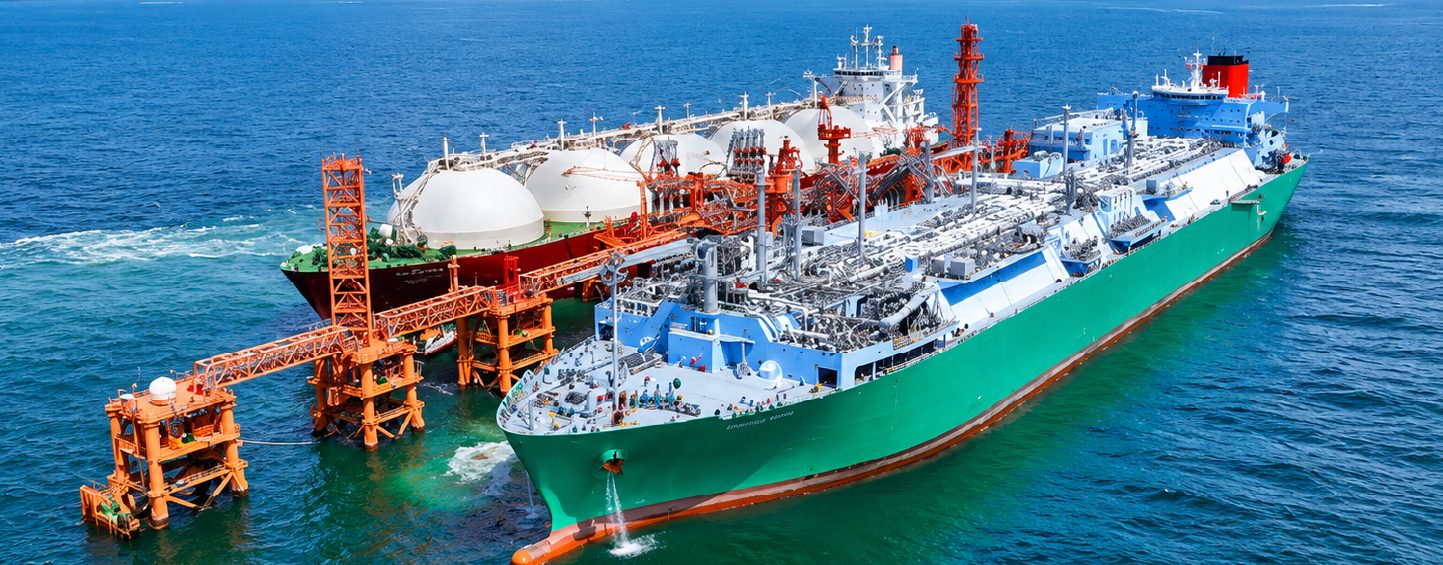
- Marine shipping infrastructure.
Each option presents different technical, economic, and operational considerations.
Pipeline infrastructure is expected to play a significant role in regions with concentrated industrial demand, while transportation by road and marine vessels may support areas where pipeline networks are not yet available.
Developing reliable transportation infrastructure will be critical for connecting hydrogen production with industrial users.
Hydrogen Storage Supporting Industrial Reliability
Industrial users require consistent and reliable energy supply, making hydrogen storage an important component of future infrastructure systems.
Storage solutions include:
- Compressed gas storage.
- Liquid hydrogen storage.
- Underground salt cavern storage.
- Geological storage facilities.
- Industrial-scale storage tanks.
Large-scale storage can help balance fluctuations in production and demand while improving energy security for industrial consumers.
As hydrogen deployment expands, storage infrastructure will become increasingly important for maintaining system reliability.
Supporting Heavy Industry Applications
Hydrogen is gaining attention because of its potential to support industries that are difficult to decarbonize through electrification alone.
Potential industrial applications include:
Steel Production
Hydrogen can be used as a reducing agent in direct reduced iron processes, potentially lowering emissions compared to traditional methods.
Refining
Hydrogen is already widely used in refining operations and may play a larger role as refineries pursue lower-carbon operations.
Chemical Manufacturing
Hydrogen serves as a key feedstock for ammonia, methanol, and other industrial products.
Cement Production
Hydrogen may help provide high-temperature heat required for cement manufacturing processes.
Heavy Transportation
Hydrogen-powered vehicles and fuels are being explored for applications where battery solutions may be less practical.
These opportunities are driving investment across the hydrogen value chain.
Digital Technologies Supporting Hydrogen Infrastructure
Digitalization is expected to play an important role in managing hydrogen production, transportation, storage, and utilization.
Key technologies include:
- Industrial IoT.
- Digital twins.
- Predictive maintenance.
- AI-driven optimization.
- Asset performance management.
- Remote monitoring.
- Advanced analytics.
- Industrial automation.
These technologies can help operators improve operational efficiency, monitor asset health, and optimize hydrogen infrastructure performance.
As hydrogen networks become larger and more interconnected, digital systems will become increasingly important for operational reliability and safety.
Safety and Risk Management
Hydrogen infrastructure requires robust safety management due to the unique properties of hydrogen.
Important considerations include:
- Leak detection.
- Pressure management.
- Materials compatibility.
- Storage safety.
- Transportation safety.
- Facility design.
- Emergency response planning.
- Operational monitoring.
Advances in sensor technologies, automation, and real-time monitoring are helping improve safety across hydrogen infrastructure projects.
Strong safety frameworks will remain essential as deployment expands.
Explore the Future of Industrial Transition
The North America O&G Transition Summit by PTN Events brings together industry leaders, infrastructure developers, hydrogen producers, technology providers, investors, EPC companies, and policymakers to discuss the technologies and strategies shaping the future of industrial transition.
Key areas include hydrogen infrastructure, industrial decarbonization, carbon management, clean fuels, industrial digitalization, low-carbon manufacturing, energy infrastructure, and emerging industrial technologies.
Register for the conference:
https://ptnevents.com/conferences/north-american-transition/register