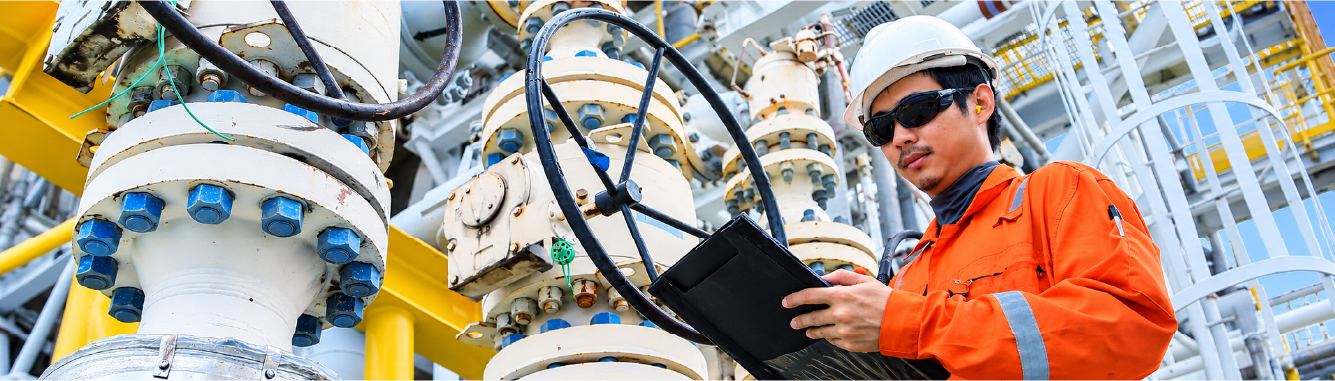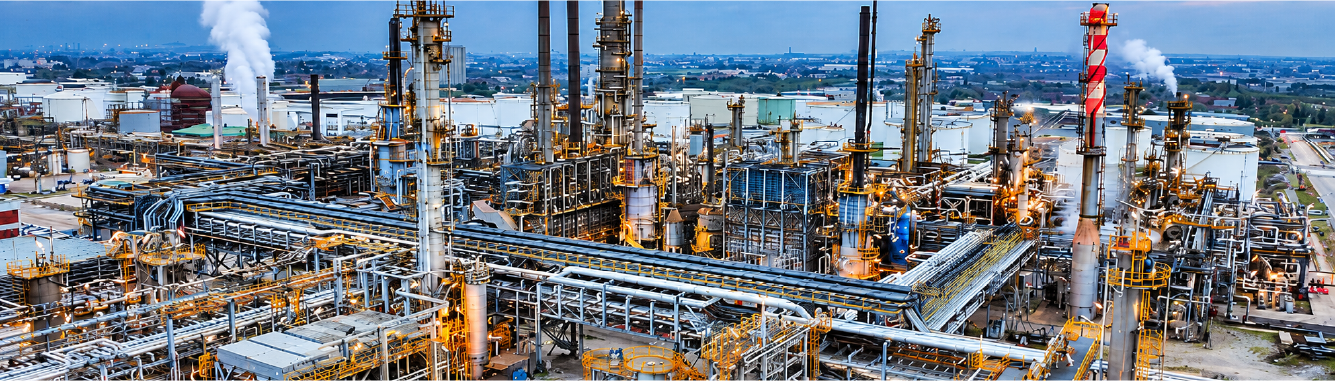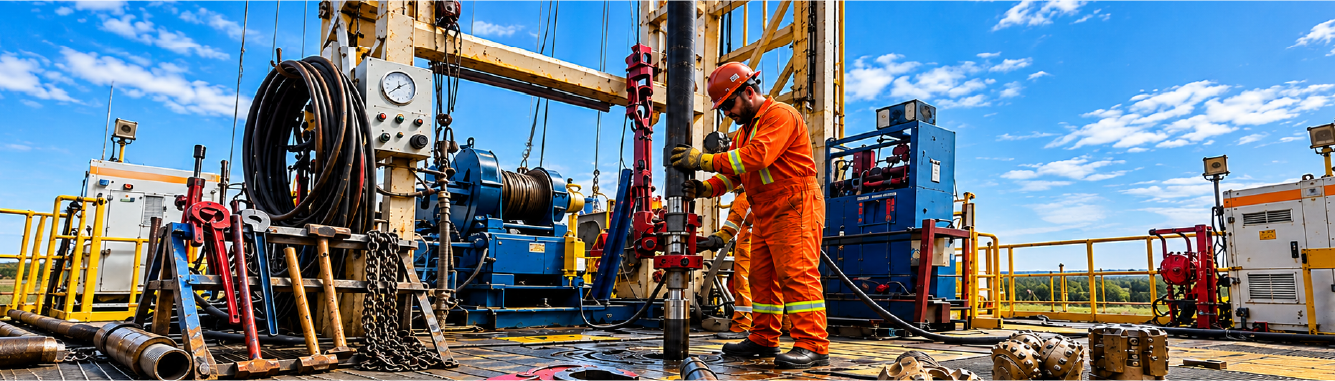
The opportunity is substantial, but accessing these resources requires far more than drilling deeper wells. Operators need high-resolution subsurface imaging, advanced drilling systems, subsea production technologies, real-time data, remote operations and infrastructure capable of operating reliably in demanding marine environments.
India’s recently approved Samudra Manthan – National Offshore Exploration Scheme, with a Phase-I outlay of ₹84,084 crore through FY 2030–31, places technology at the centre of this effort. The programme includes large-scale seismic acquisition, AI-assisted data processing, deepwater drilling, common offshore infrastructure and measures to strengthen domestic manufacturing and services.
Why Deepwater Matters to India’s Upstream Future
India’s eastern and western offshore basins extend into deepwater and ultra-deepwater environments, with potential identified in areas including the Krishna-Godavari, Cauvery, Mahanadi and Andaman regions. Government estimates indicate more than 5,600 MMTOE of hydrocarbon potential in India’s deepwater and ultra-deepwater areas.
Recent exploration activity is already demonstrating the importance of these resources. The Directorate General of Hydrocarbons reported that the recovery in Indian natural gas production in recent years has been driven significantly by deepwater blocks in the Krishna-Godavari Basin.
The challenge is converting geological potential into commercially viable production.
Deepwater projects involve high exploration costs, complex logistics, long development cycles and technically demanding offshore operations. The technology deployed during exploration therefore has a direct influence on the probability of discovery, drilling efficiency, development economics and eventual production reliability.
Advanced Seismic Imaging Is Improving Subsurface Understanding
One of the first barriers to successful deepwater exploration is uncertainty below the seabed.
Traditional seismic datasets may not provide the resolution required to confidently interpret complex geological structures. Modern 2D and 3D seismic acquisition technologies can provide significantly richer subsurface information, allowing exploration teams to identify potential reservoirs and geological features with greater confidence.
India’s Samudra Manthan programme includes ₹28,534 crore for offshore data acquisition, including 2D and 3D seismic surveys and re-processing of existing National Data Repository data using modern tools and AI.
This represents an important shift: the exploration workflow increasingly begins with data quality and interpretation capability, rather than simply expanding drilling activity.
AI Is Accelerating Seismic Interpretation
The volume and complexity of modern seismic data create a major interpretation challenge.
Artificial intelligence and machine learning can help geoscientists identify patterns, classify geological features and accelerate interpretation workflows. AI can support the identification of faults, horizons, potential reservoir structures and other subsurface characteristics that require extensive manual analysis.
The objective is not to replace geoscientists. Instead, AI can reduce repetitive interpretation work and allow specialists to focus on geological understanding, uncertainty assessment and exploration decisions.
For India’s frontier basins, the ability to combine historical datasets with newly acquired seismic information could become increasingly valuable.
Real-Time Data Is Becoming a Core Drilling Capability
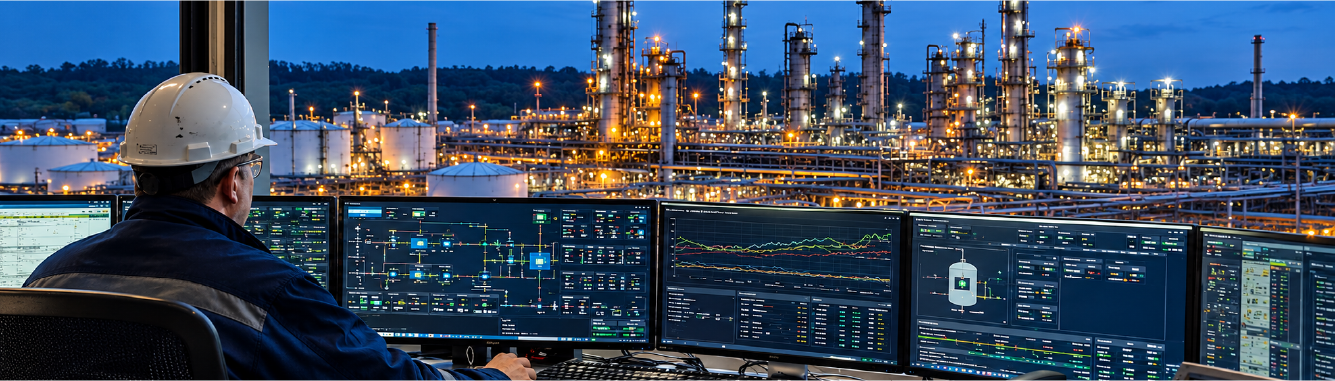
Deepwater drilling generates large volumes of information from surface systems, downhole tools, drilling equipment and geological measurements.
Connecting these data streams can improve decision-making around:
- Drilling parameters
- Pressure management
- Formation evaluation
- Equipment performance
- Well integrity
- Drilling efficiency
- Early anomaly detection
Real-time analytics can help teams identify changing conditions earlier and adjust operations before small deviations develop into costly problems.
The broader opportunity is to move toward data-driven drilling, where geological, engineering and operational information is continuously integrated throughout the well lifecycle.
Digital Twins Can Improve Offshore Asset Performance
Deepwater infrastructure can be expensive and difficult to inspect physically. Digital twins offer an opportunity to create continuously updated digital representations of offshore assets and systems.
A digital twin can combine:
- Engineering data
- Equipment specifications
- Sensor information
- Operational history
- Inspection records
- Maintenance data
- Real-time operating conditions
This enables operators to compare actual performance against expected behaviour and identify emerging issues.
For deepwater production systems, digital twins can also support scenario analysis and maintenance planning, helping teams understand the potential consequences of different operational decisions before acting.
Offshore Infrastructure Is as Important as Exploration Technology
Technology can identify a commercially promising discovery, but production still depends on infrastructure.
One of the major challenges for frontier offshore development is the cost of building dedicated production and evacuation systems.
India’s Samudra Manthan programme includes ₹10,000 crore for common offshore infrastructure in selected basins. Shared infrastructure can reduce development barriers by allowing multiple discoveries to access production and evacuation systems rather than requiring completely independent infrastructure for every field.
This could be particularly important for smaller discoveries that may not justify standalone development.
Building a Domestic Deepwater Technology Ecosystem
India’s deepwater opportunity also creates a requirement for stronger domestic capabilities across engineering, equipment manufacturing and offshore services.
The National Offshore Exploration Scheme allocates ₹2,000 crore toward Oil and Gas Manufacturing and Services Zones intended to strengthen domestic manufacturing, repair, warehousing, engineering and related capabilities.
Developing this ecosystem can reduce dependence on imported equipment and services while creating capabilities that support future offshore projects.
The opportunity extends across:
- Subsea equipment
- Offshore engineering
- Drilling services
- Seismic technology
- Digital systems
- Inspection robotics
- Marine logistics
- Equipment maintenance
- Offshore fabrication
Deepwater exploration can therefore become not only a resource-development opportunity but also a technology and industrial-capability opportunity.
Connecting Exploration Data With Production Decisions
The next advantage in deepwater exploration will come from connecting technologies rather than deploying them independently.
Seismic interpretation, drilling data, production systems, digital twins, asset monitoring and subsea inspection can increasingly form part of one connected information environment.
This creates a more continuous data chain:
Seismic Data → Geological Interpretation → Well Planning → Drilling → Subsea Development → Production → Asset Monitoring
Such integration can reduce information gaps between exploration and production teams while improving knowledge transfer across the asset lifecycle.
The Road Ahead for India’s Deepwater Exploration
India’s deepwater opportunity is not simply about drilling farther offshore. It is about building the technological capability to find resources more accurately, drill more efficiently, develop fields economically and operate offshore assets reliably over decades.
As exploration expands across the Mahanadi, Krishna-Godavari, Cauvery and Andaman regions, technology will increasingly determine how efficiently geological potential can be converted into producing assets.
The companies best positioned for this next phase will be those that combine advanced subsurface technologies with intelligent drilling, subsea engineering, real-time data, remote operations and resilient offshore infrastructure.
For India, the strategic opportunity is larger than individual discoveries. It is the creation of a globally competitive deepwater exploration and production ecosystem capable of supporting the country’s next generation of domestic oil and gas production.
https://ptnevents.com/conferences/future-oil
https://ptnevents.com/conferences/future-oil
Categories
Deepwater Exploration in India