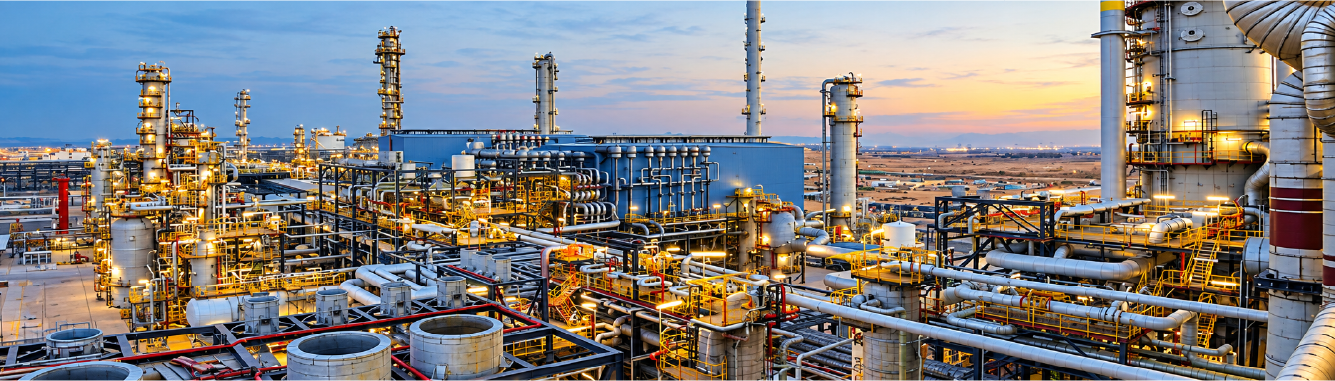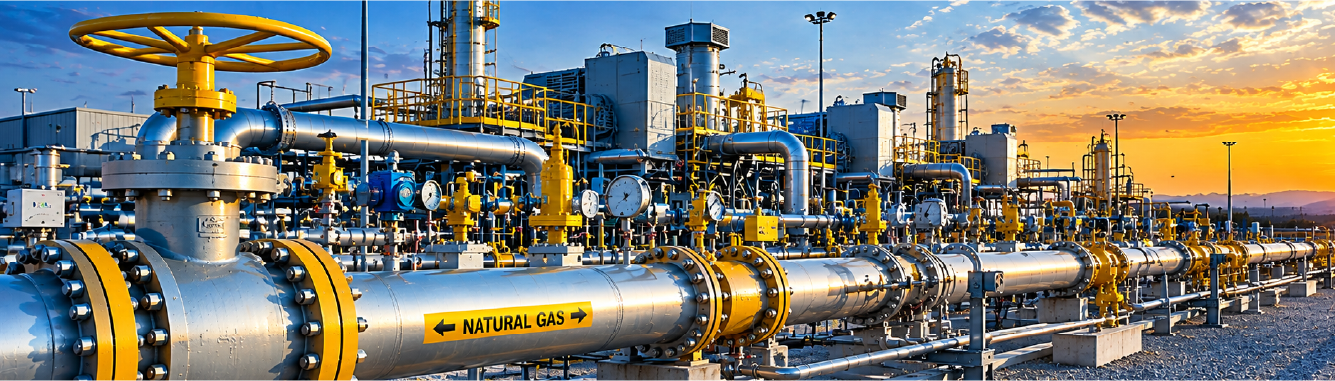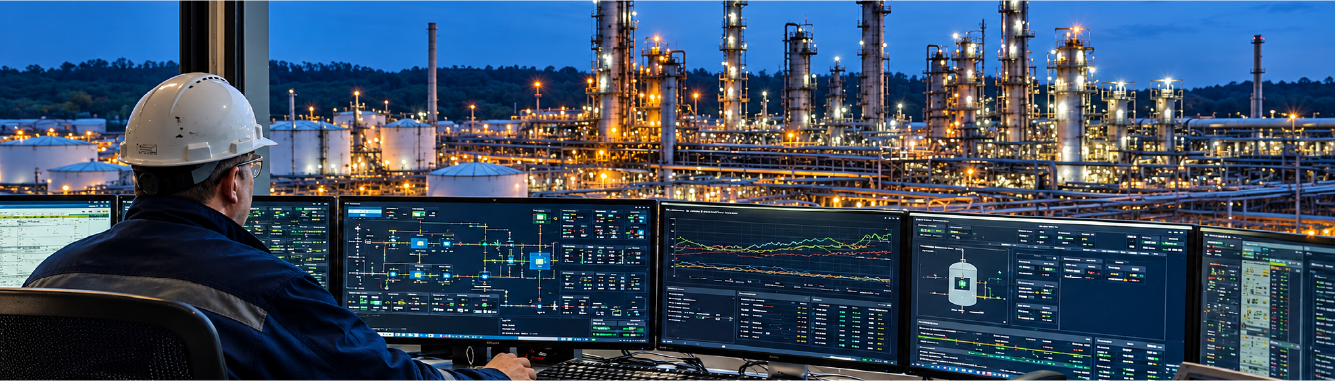
Unlike conventional IT environments, OT systems directly influence physical processes. A disruption to a control system, pipeline network, offshore platform or processing facility can affect production, safety, asset integrity and business continuity.
As oil & gas companies accelerate digital transformation, industrial cybersecurity must therefore become an integral part of operational strategy rather than a separate IT responsibility.
Why the OT Environment Is Expanding
Modern oil & gas facilities contain a growing combination of connected technologies.
These can include:
- SCADA systems.
- Distributed control systems (DCS).
- Industrial control systems (ICS).
- Remote terminal units.
- Industrial IoT sensors.
- Connected field devices.
- Edge computing infrastructure.
- Cloud-connected operational platforms.
- Remote access systems.
- Digital twins and analytics platforms.
The result is a much more interconnected operational environment.
Systems that were historically isolated from external networks are increasingly exchanging information with enterprise applications, cloud platforms and remote operations centers. This improves visibility and decision-making but creates additional pathways that need to be secured.
IT/OT Convergence Changes the Security Challenge
The convergence of IT and OT is one of the most important developments shaping industrial cybersecurity.
Enterprise systems increasingly require access to operational data, while OT environments benefit from analytics, cloud computing and centralized monitoring.
However, the security priorities of the two environments are not identical.
IT security often emphasizes confidentiality, data protection and system availability. OT environments place particularly strong emphasis on safety, reliability, process integrity and continuous availability.
A cybersecurity strategy that protects corporate systems but fails to account for operational requirements can therefore create unacceptable risks.
Effective security requires a coordinated approach across IT, OT, engineering, operations and cybersecurity teams.
Legacy Systems Create Additional Vulnerabilities
Many oil & gas facilities operate assets that were designed and deployed long before today's highly connected digital environment.
Legacy Systems Create Additional Vulnerabilities
Many oil & gas facilities operate assets that were designed and deployed long before today's highly connected digital environment.
Legacy control systems can present challenges related to:
- Unsupported software.
- Limited security capabilities.
- Outdated communication protocols.
- Infrequent patching.
- Long equipment lifecycles.
- Limited asset visibility.
- Difficult system replacement.
Replacing critical OT infrastructure is not always practical because these systems can be deeply integrated into production processes.
Operators therefore need security strategies that protect legacy environments without unnecessarily disrupting critical operations.
Network Segmentation Can Limit Operational Risk
Network Segmentation Can Limit Operational Risk
One of the key principles of industrial cybersecurity is limiting unnecessary connectivity.
Network segmentation can separate critical operational environments from less trusted networks and restrict communication between different system zones.
This can help contain incidents and reduce the potential impact of compromised devices or accounts.
For oil & gas operators, segmentation strategies need to account for the architecture of SCADA, DCS, PLCs, remote operations and enterprise networks while maintaining the connectivity required for safe and efficient operations.
Remote Operations Increase the Need for Strong Access Controls
Remote monitoring and remote maintenance have become increasingly important across geographically distributed oil & gas assets.
Offshore platforms, pipelines, remote production facilities and field operations may require engineers and technical teams to access systems without being physically present.
However, remote connectivity can create additional security exposure.
Organizations should strengthen controls around:
- Multi-factor authentication.
- Privileged access.
- Remote vendor access.
- Session monitoring.
- User authorization.
- Access expiration.
- Network-level restrictions.
The objective should be to provide the right access to the right person for the right operational purpose—without creating unnecessary exposure.
Cybersecurity Must Become an Operational Capability
The future of oil & gas cybersecurity will depend on closer collaboration between traditionally separate teams.
Cybersecurity specialists need a strong understanding of operational processes, while engineering and operations teams need greater awareness of cyber risk.
A mature OT cybersecurity program should connect:
People + Processes + Technology + Operational Context
This includes clear governance, defined responsibilities, continuous monitoring, workforce training, incident-response procedures and regular security assessments.
Securing the Connected Oil & Gas Enterprise
Securing the Connected Oil & Gas Enterprise
Digital connectivity is becoming fundamental to modern oil & gas operations. Sensors, automation, remote access, industrial networks, cloud platforms and advanced analytics are creating more intelligent and responsive assets.
But greater connectivity also requires greater discipline around security.
The objective should not be to eliminate connectivity. It should be to build secure connectivity that enables digital operations without compromising safety, reliability or asset performance.
For oil & gas companies, industrial cybersecurity is increasingly becoming a foundation for digital transformation. Organizations that build security into their OT architecture, asset lifecycle and operational processes will be better positioned to scale connected operations while strengthening resilience against an increasingly complex threat landscape.
Categories
Oil & Gas Cybersecurity