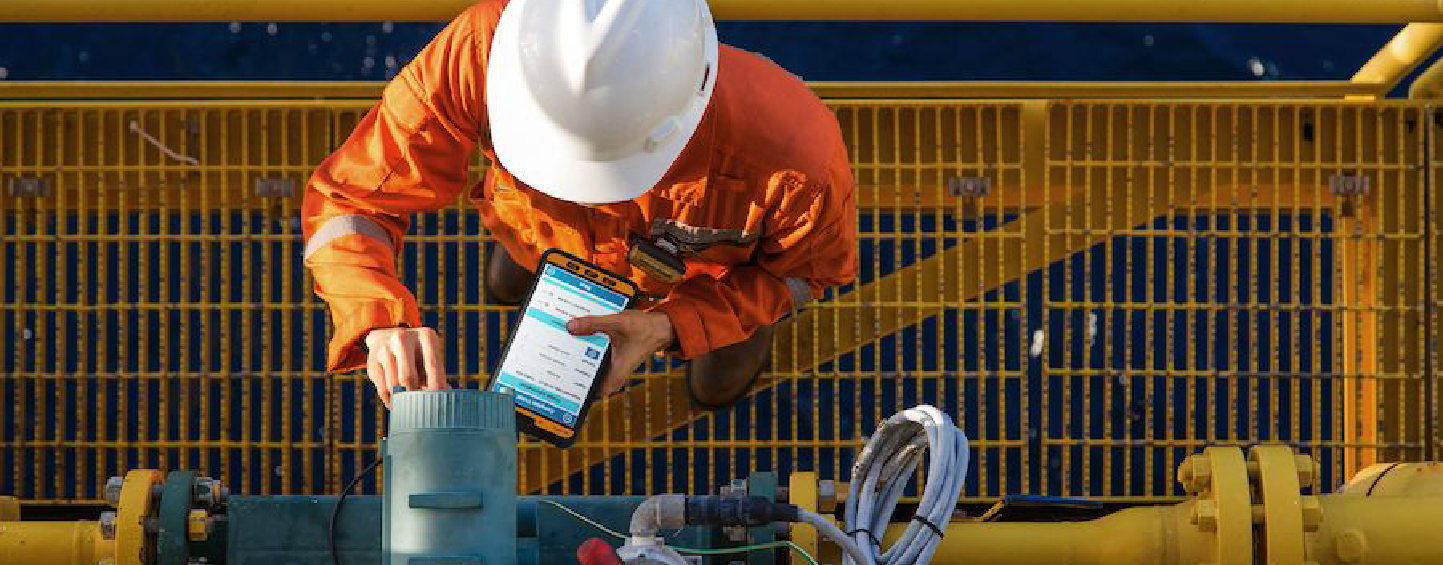
The new framework shifts attention beyond conventional energy efficiency initiatives towards measurable greenhouse gas performance against refinery-specific benchmarks. This creates a stronger incentive for operators to identify emissions-intensive processes, improve energy utilisation, modernise equipment and adopt technologies capable of reducing the carbon intensity of refining operations.
India's New Carbon Compliance Framework for Petroleum Refineries
The Carbon Credit Trading Scheme (CCTS), established in 2023, is developing India's domestic carbon market through a compliance mechanism and a voluntary offset mechanism. Under the compliance framework, designated industrial entities are assigned greenhouse gas emission intensity targets that they must meet during specified compliance periods.
In January 2026, petroleum refineries were formally brought under the compliance mechanism alongside petrochemicals, textiles and secondary aluminium. This expansion covered 208 additional obligated entities, bringing the total number of obligated entities across the notified sectors to 490 at that stage.
Understanding Refinery Carbon Intensity Targets
Unlike an absolute emissions cap, an emission intensity target measures greenhouse gas emissions relative to a defined unit of industrial output.
For petroleum refineries, the notified benchmarks use emissions intensity expressed in tonnes of carbon dioxide equivalent relative to crude throughput and the Normalised Refinery Generation Factor (NRGF).
This approach recognises that refineries differ in processing complexity, throughput, energy requirements and operating configurations.
A refinery processing heavier crude grades or operating more energy-intensive conversion units may have a different emissions profile from a simpler refinery. Normalisation provides a framework for comparing performance against defined benchmarks rather than relying exclusively on total emissions.
What Changed in the 2026 Refinery Compliance Requirements?
The September 2026 amendment to the Greenhouse Gases Emission Intensity Target Rules revised the refinery-specific schedules under the CCTS.
The revised notification covers 21 obligated refinery units and establishes their updated emission intensity benchmarks for the applicable compliance year. It also removes the previously notified 2025–26 refinery targets, with the first refinery compliance obligation now applying to 2026–27 under the amended schedule.
Energy Efficiency: The First Line of Refinery Decarbonisation
Energy consumption remains one of the most significant contributors to refinery emissions. Furnaces, boilers, steam systems, hydrogen production, compressors and other utility-intensive operations create substantial opportunities for efficiency improvements.
Refinery operators can reduce emissions through improved combustion control, furnace efficiency optimisation, waste heat recovery, steam-system improvements, heat integration and equipment upgrades.
Advanced process control and real-time monitoring can help maintain operations closer to optimal conditions while reducing unnecessary fuel consumption.
Electrification and Renewable Power Integration
Electrification is emerging as another pathway for reducing refinery emissions, particularly across selected utilities, auxiliary equipment and low- or medium-temperature process applications.
Electric motors, electrically driven compressors, pumps and heating systems can reduce reliance on combustion-based equipment where suitable alternatives are available.
Renewable electricity procurement through power purchase agreements, captive renewable generation or other sourcing arrangements can further reduce emissions associated with electricity consumption.
Methane, Flaring and Other Emissions Sources
Beyond fuel combustion, refineries must also manage emissions associated with fugitive releases, flaring, process vents and equipment leakage.
Leak Detection and Repair (LDAR) programmes help identify and address leaks from valves, pumps, compressors, connectors and other equipment.
Improved flare management, recovery of hydrocarbon gases, vapour recovery systems and better operational controls can reduce emissions while improving resource utilisation.
Digital Monitoring and Carbon Compliance Management
Meeting emission intensity targets requires reliable data across refinery operations.
Digital emissions-management platforms can integrate fuel consumption, production throughput, process emissions, utility performance, electricity consumption and emissions factors into a centralised monitoring environment.
This enables refinery teams to calculate emissions intensity, compare performance against notified targets, identify operational deviations and assess the impact of decarbonisation projects.
Digital twins, advanced analytics and AI-based optimisation can further support emissions forecasting and scenario evaluation by linking operational performance with energy consumption and carbon outcomes.
The Future of Low-Carbon Refining in India
India's new refinery carbon-intensity compliance framework represents a significant development in the country's industrial decarbonisation landscape. It introduces emissions performance into the operational and commercial decision-making of designated petroleum refineries.
As carbon compliance requirements evolve, refinery operators will need to strengthen emissions monitoring, improve process efficiency, modernise infrastructure and evaluate emerging decarbonisation technologies.
The future of India's refining industry will depend on its ability to balance production growth, operational reliability, competitiveness and emissions performance.
Refineries that integrate carbon management into their broader operational strategy will be better positioned to navigate regulatory requirements while improving efficiency and strengthening long-term industrial resilience.
Explore the Future of India's Oil & Natural Gas Industry
The Future of Oil & Natural Gas Conference 2026, organised by PTN Events, brings together refinery operators, policymakers, technology providers, engineering companies, infrastructure developers and industry professionals to discuss the technologies, policies and strategies shaping India's oil and natural gas sector.
Key discussion areas include refinery modernisation, emissions management, digital technologies, operational excellence, infrastructure development and emerging decarbonisation solutions.
Categories
Refinery Carbon Intensity Compliance in India