However, expanding production alone is not sufficient to establish a commercially viable CBG industry. Reliable offtake, pipeline connectivity, gas-quality standards, transportation infrastructure and predictable pricing are essential for connecting production facilities with consumers.
India's CBG Industry Is Entering a New Phase
India's CBG ecosystem has developed through initiatives such as SATAT and GOBARdhan, which encourage the conversion of organic waste into commercially usable gas and bio-manure.
The sector is now progressing towards a more integrated commercial model, connecting CBG producers with gas distribution companies, pipeline infrastructure, industrial consumers and transport applications.
The government's GOBARdhan scheme, launched in October 2026 with an outlay of ₹23,731 crore, establishes a ten-year framework to support CBG production, offtake, pricing, infrastructure, financing and ecosystem development. The scheme aims to increase domestic CBG production nearly ten-fold, targeting approximately 5 MMSCMD.
Connecting CBG Plants With City Gas Distribution Networks
One of the most important developments in India's CBG industry is the integration of production facilities with existing natural gas distribution infrastructure.
City Gas Distribution networks supply compressed natural gas (CNG) for transportation and piped natural gas (PNG) to residential and commercial consumers. Connecting CBG plants to these networks creates a potential route for renewable gas to reach established consumer markets.
Pipeline injection can reduce the dependence on individual transport arrangements for gas evacuation, particularly where plants are located near suitable distribution infrastructure.
The Ministry of Petroleum and Natural Gas has expanded the CBG–CGD Synchronisation Scheme to include CBG injection into gas pipeline networks, with the scheme extended until 31 December 2047.
Pipeline Infrastructure Is Critical for Commercial Scale
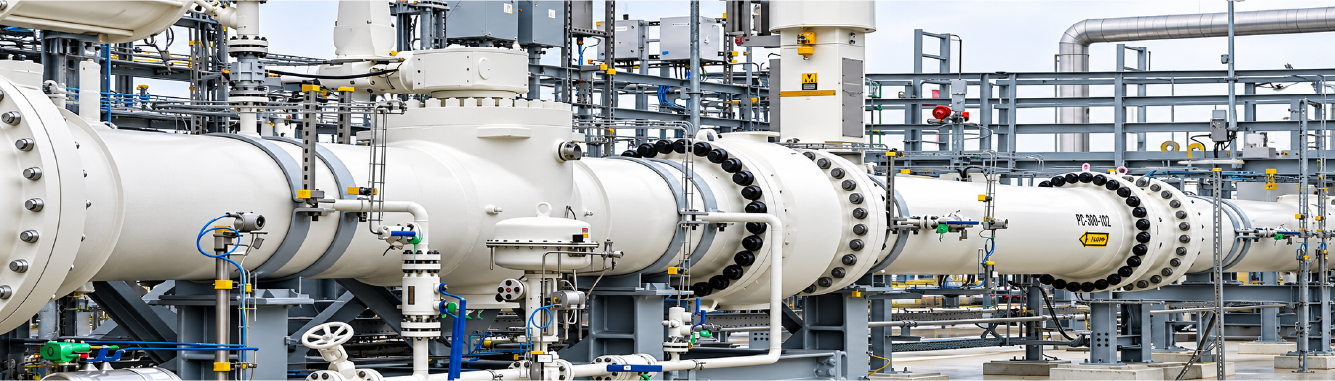
Pipeline connectivity remains one of the most significant challenges facing CBG producers.
Many production facilities are located near agricultural areas, livestock operations, municipal waste sources and industrial waste generators. However, these locations may not have immediate access to natural gas pipelines.
Without suitable evacuation infrastructure, producers may face higher transportation costs, operational limitations and difficulties securing dependable offtake.
India's Direct Pipeline Injection infrastructure framework supports the development of pipelines connecting CBG plants with CGD networks and larger gas pipeline infrastructure.
The development of shared pipelines for CBG clusters can improve project economics by distributing infrastructure costs across multiple producers. For standalone plants, dedicated pipeline connections may provide a more direct route to market where adequate gas demand exists.
Gas Quality Standards and Injection Requirements
CBG integration requires gas to meet appropriate technical and safety specifications before it can enter natural gas pipeline systems.
Raw biogas typically contains methane, carbon dioxide, moisture and other impurities. Processing facilities must remove unwanted components and improve gas quality through upgrading, purification, drying and compression.
Depending on the applicable injection standards and network requirements, producers may also need systems for gas-quality monitoring, pressure regulation, metering, safety controls and operational shutdowns.
The Petroleum and Natural Gas Regulatory Board (PNGRB) approved guidelines in February 2026 for injecting compressed biogas into Natural Gas Pipeline and City Gas Distribution networks.
These guidelines provide a regulatory framework for grid-based CBG integration and help establish the technical and operational requirements needed for safe and standardised gas injection.
CBG Blending Obligations Are Creating Market Demand
A major challenge for CBG producers has historically been securing consistent buyers and predictable revenues.
India's CBG Blending Obligation (CBO) is designed to strengthen demand by requiring City Gas Distribution entities to procure and incorporate CBG into the CNG transport and PNG domestic segments.
Feedstock Availability and Plant Reliability
Connecting CBG plants to gas distribution networks is only one part of developing a sustainable industry. Production facilities must also secure consistent feedstock supplies and maintain reliable operations.
Agricultural residues, cattle dung, municipal organic waste, food-processing waste and other biodegradable materials can support CBG production. However, feedstock availability varies geographically and seasonally.
Effective feedstock aggregation, transportation, storage, pre-treatment and processing are essential to maintaining stable production.
Plant operators must also manage equipment reliability, digestion performance, gas purification systems, compression, maintenance and organic manure quality.
Building India's Connected CBG Ecosystem
India's CBG industry is entering a critical stage where production capacity must translate into dependable commercial supply.
The development of pipeline connectivity, blending obligations, technical injection standards, financing mechanisms and assured offtake frameworks is helping establish the foundations for a more integrated renewable gas market.
The next phase of growth will depend on execution: developing viable production facilities, securing feedstock, expanding pipeline infrastructure, maintaining gas quality and establishing reliable commercial relationships between producers and CGD operators.
Explore the Future of India's Oil & Natural Gas Industry
The Future of Oil & Natural Gas Conference 2026, organised by PTN Events, brings together industry professionals, policymakers, infrastructure developers, gas producers, technology providers and operational stakeholders to discuss developments shaping India's oil and natural gas sector.
Discussions include gas infrastructure, domestic production, technology adoption, industrial development, operational efficiency and emerging opportunities across the Indian hydrocarbon industry.
Explore the conference:
https://ptnevents.com/conferences/future-oil
Categories
Compressed Biogas Industry in India