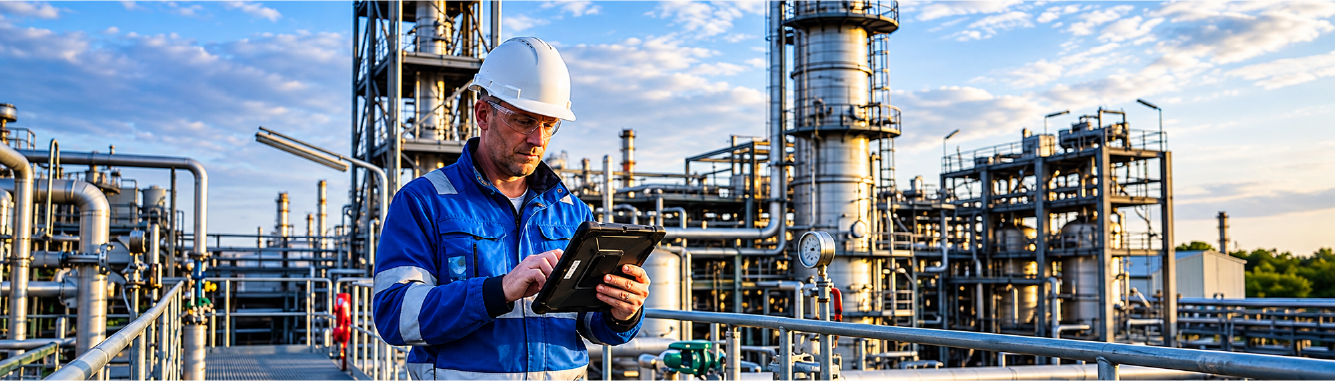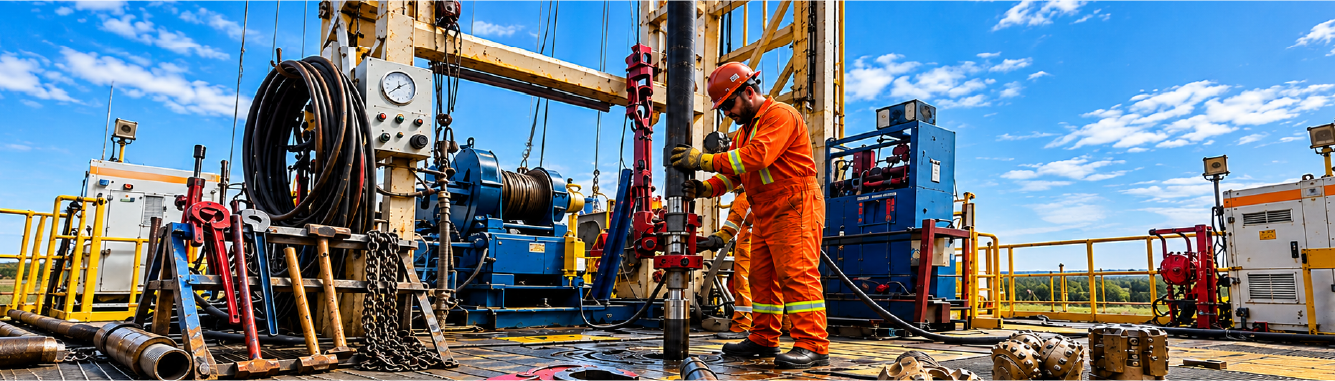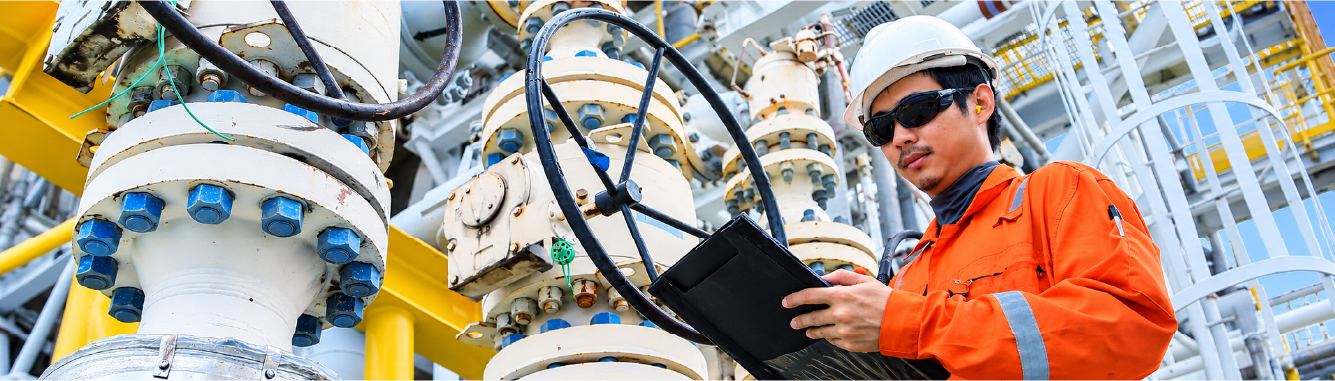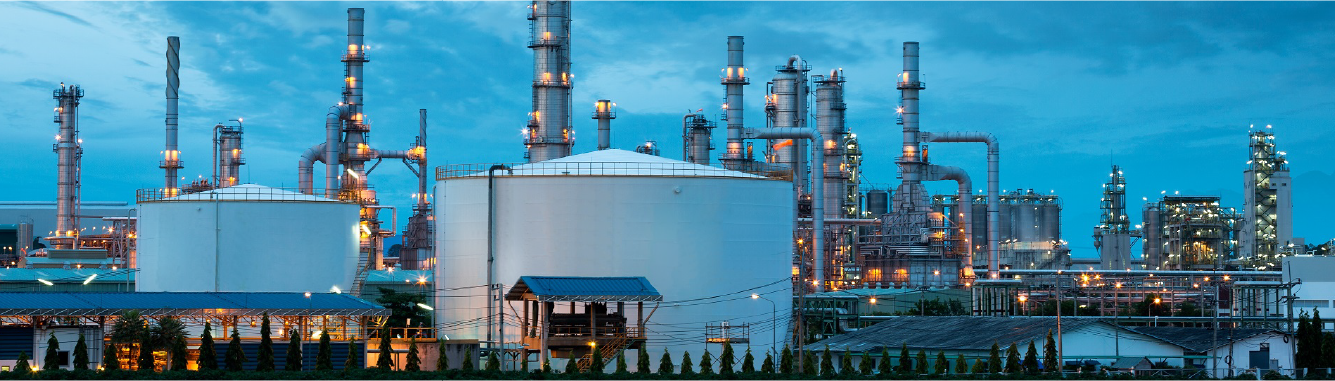
The challenge is therefore not simply building new infrastructure. It is modernizing existing assets while making them more intelligent, connected and operationally resilient.
India’s natural gas infrastructure is expanding alongside this modernization effort. Government data indicates that operational natural gas pipeline length had reached more than 25,000 km by mid-2025, with additional pipeline capacity under execution. More recent regulatory measures in 2026 have also aimed to streamline pipeline development and accelerate gas-network expansion.
At the same time, India’s refining system has grown substantially over the past decades, creating a large installed asset base where modernization, automation and performance optimization can deliver significant value.
The next stage is to connect this physical infrastructure with real-time data, advanced automation, predictive analytics, AI and intelligent asset management.
Why India’s Existing Infrastructure Needs a Digital Upgrade
Legacy does not necessarily mean obsolete.
Many mature oil & gas facilities continue to perform effectively because they have been maintained, upgraded and adapted over time. The challenge is that individual systems within these facilities may have been introduced during different technology generations.
A single facility may contain:
- Legacy control systems
- Modern sensors
- Older equipment-monitoring platforms
- New industrial IoT devices
- Multiple maintenance databases
- Standalone engineering systems
- SCADA and historian environments
- Enterprise applications
- New cloud and analytics platforms
The resulting fragmentation can make it difficult to obtain a unified view of asset performance.
Modernization therefore needs to focus on connecting what already exists before replacing everything.
Modernizing Refineries Through Connected Operations
India’s refining infrastructure represents one of the largest opportunities for intelligent modernization.
Refineries operate complex networks of process units, rotating equipment, utilities, storage systems and product-handling infrastructure. Even small improvements in process stability or equipment availability can have significant operational value.
Digital modernization can connect:
Process Data → Equipment Data → Asset Health → Production Performance → Maintenance Decisions
Advanced process control can optimize operating conditions, while AI and predictive analytics can identify abnormal equipment behaviour. Digital twins can provide additional engineering context for complex assets and processes.
The result is a shift from isolated automation projects toward integrated plant performance management.
Predictive Maintenance Can Extend Asset Life
Replacing large-scale industrial infrastructure is expensive and disruptive.
Predictive maintenance provides an alternative approach by helping operators understand when equipment actually requires intervention.
Sensors and analytics can monitor parameters such as:
- Vibration
- Temperature
- Pressure
- Flow
- Power consumption
- Equipment efficiency
AI models can then identify patterns associated with developing degradation.
Instead of relying exclusively on fixed maintenance intervals, operators can increasingly use condition and risk-based maintenance strategies.
This can reduce unnecessary maintenance while helping identify failures before they create significant production or safety consequences.
IT/OT Integration Is Becoming Essential
The modernization of oil & gas infrastructure increasingly depends on bringing together Information Technology and Operational Technology.
OT systems provide information from the physical operation, while IT environments provide enterprise-level analytics, planning and business context.
Connecting them can enable:
Field Data → Operational Systems → Enterprise Data → Analytics → Decision → Operational Action
But this integration must be carefully designed.
Legacy systems, cybersecurity requirements, safety constraints and different technology lifecycles make IT/OT integration more complex than simply connecting two networks.
Secure architecture, segmentation, access controls and OT monitoring need to be built into modernization programmes from the beginning.
Building an Intelligent Infrastructure Architecture
The future infrastructure model will increasingly connect physical assets with multiple layers of digital intelligence.
A simplified architecture can be viewed as:
Physical Assets
↓
Sensors & Industrial Connectivity
↓
SCADA / DCS / Historians
↓
Industrial Data Platform
↓
AI / Analytics / Digital Twins
↓
Operational Decision Support
↓
Automated or Human-Controlled Action
This architecture enables organizations to modernize incrementally while maintaining existing operations.
It also creates a foundation for future capabilities such as autonomous inspection, intelligent maintenance and advanced operational optimization.
From Infrastructure Modernization to Intelligent Operations
India’s oil & gas sector is moving toward an operating environment where infrastructure is no longer viewed simply as physical equipment.
Pipelines can become continuously monitored networks. Refineries can become data-driven production environments. Terminals can become intelligent logistics hubs. Storage facilities can become dynamically managed assets.
The transition from aging infrastructure to intelligent operations will not happen through a single technology.
It will require the integration of automation, industrial data, AI, predictive maintenance, digital twins, cybersecurity and human expertise across the asset lifecycle.
The opportunity is to make India’s existing oil & gas infrastructure work smarter for longer—while building the digital foundation required for the next generation of domestic production, processing and distribution.
Register for FOG 2026:
https://ptnevents.com/conferences/future-oil
Categories
India Oil & Gas Infrastructure Modernization