Offshore oil and gas wells are among the industry's most valuable and technically complex assets, often operating for decades in harsh deepwater environments. Maintaining the integrity of these wells is essential for ensuring safe production, protecting offshore infrastructure, preventing environmental incidents, and maximizing reservoir recovery. As offshore developments move into deeper waters and more challenging reservoirs, operators are increasingly adopting digital well integrity management to monitor well conditions continuously rather than relying solely on periodic inspections and manual assessments.
Digital well integrity management combines real-time sensor data, Industrial IoT, predictive analytics, digital twins, artificial intelligence, and remote monitoring technologies to provide continuous visibility into the health of offshore wells. This approach enables operators to identify potential integrity issues earlier, optimize maintenance planning, improve regulatory compliance, and extend the operational life of offshore assets.
As offshore operators pursue safer and more intelligent operations, digital well integrity is becoming a core element of long-term offshore asset management.
Why Well Integrity Is Critical in Offshore Operations
Well integrity ensures that hydrocarbons remain safely contained throughout the lifecycle of an offshore well, from drilling and completion to production, intervention, and eventual abandonment.
A strong well integrity program helps operators:
-
Prevent well control incidents.
-
Protect personnel and offshore facilities.
-
Maintain production reliability.
-
Reduce environmental risks.
-
Extend well lifecycle.
-
Improve regulatory compliance.
-
Support safe intervention activities.
As offshore infrastructure ages, maintaining continuous visibility into well condition becomes increasingly important for long-term operational performance.
Moving Beyond Periodic Well Integrity Assessments
Traditional offshore well integrity programs often depend on scheduled inspections, pressure testing, and manual reviews conducted at specific intervals.
Digital well integrity introduces continuous monitoring through connected technologies that provide real-time operational awareness.
Continuous monitoring includes:
-
Pressure surveillance.
-
Temperature monitoring.
-
Annulus pressure monitoring.
-
Flow monitoring.
-
Valve performance monitoring.
-
Casing integrity assessment.
-
Production performance monitoring.
-
Leak detection.
This shift allows operators to detect integrity risks much earlier than conventional inspection programs.
Real-Time Monitoring Creates Continuous Well Visibility
Modern offshore wells generate operational data throughout production operations.
Digital monitoring systems collect information from:
-
Downhole sensors.
-
Wellhead instrumentation.
-
Subsea production systems.
-
Surface control systems.
-
Flow meters.
-
Pressure sensors.
-
Temperature sensors.
-
Safety systems.
Operators receive continuous visibility into changing well conditions without waiting for scheduled inspections or production interruptions.
Digital Twins Improve Well Integrity Decision-Making
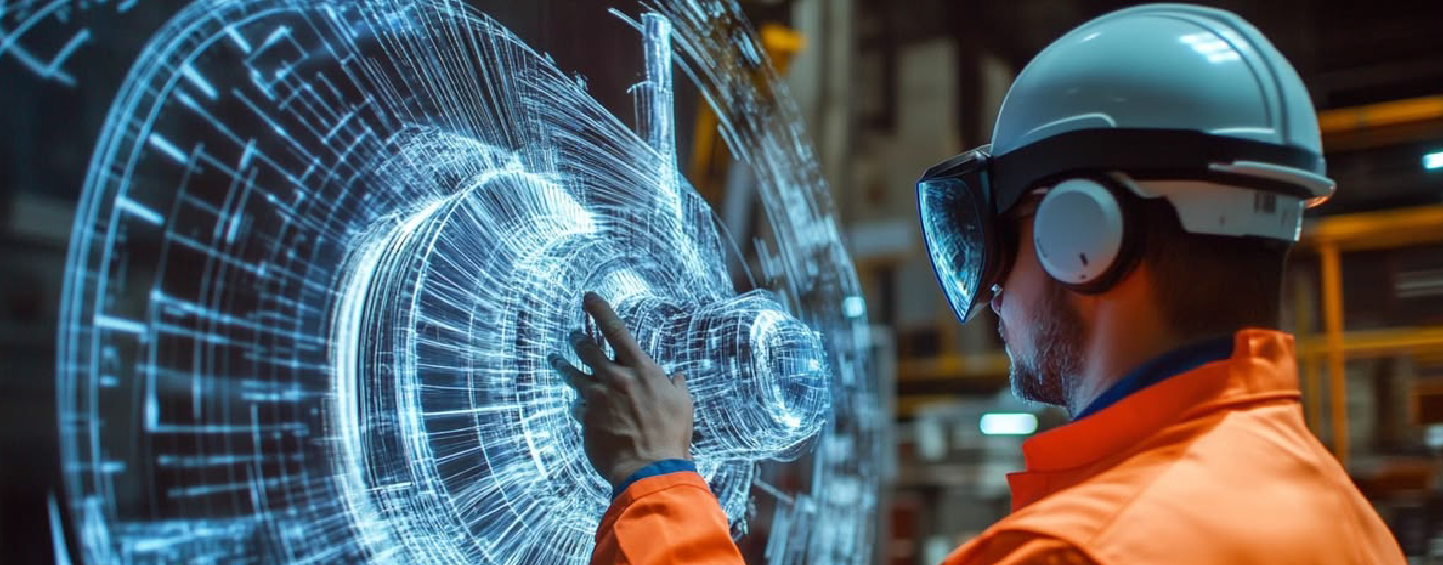
Digital twins create virtual representations of offshore wells by combining engineering models with live operational data.
Digital twins help operators:
-
Track well performance over time.
-
Simulate pressure behavior.
-
Assess casing and tubing condition.
-
Evaluate intervention scenarios.
-
Estimate remaining well life.
-
Monitor production changes.
-
Support integrity investigations.
By comparing expected and actual operating conditions, digital twins improve early identification of potential integrity concerns.
Artificial Intelligence Supports Predictive Well Integrity
Artificial Intelligence enhances well integrity management by identifying patterns across historical and real-time operational data.
AI applications include:
-
Anomaly detection.
-
Pressure trend analysis.
-
Leak prediction.
-
Barrier performance assessment.
-
Equipment health prediction.
-
Integrity risk prioritization.
-
Predictive intervention recommendations.
Rather than reacting after integrity issues occur, operators can use predictive insights to prioritize inspections and maintenance activities.
Monitoring Critical Well Barriers Continuously
Maintaining well barriers is fundamental to offshore well integrity.
Digital monitoring systems provide visibility into the condition of critical barriers, including:
-
Wellhead systems.
-
Casing strings.
-
Tubing.
-
Packers.
-
Safety valves.
-
Cement barriers.
-
Subsea valves.
-
Pressure containment systems.
Continuous monitoring helps operators verify that multiple well barriers remain effective throughout the production lifecycle.
Integrating Well Integrity With Subsea Production Systems
Offshore wells operate as part of larger subsea production networks connected through trees, manifolds, flowlines, and control systems.
Digital integration enables operators to connect well integrity information with:
-
Subsea production equipment.
-
Flow assurance systems.
-
Pipeline monitoring.
-
Production optimization platforms.
-
Asset integrity management systems.
-
Offshore operations centers.
This provides a complete operational picture across both wells and subsea infrastructure.
Predictive Maintenance Extends Offshore Asset Life
Digital well integrity supports predictive maintenance strategies by continuously evaluating equipment condition and operational trends.
Operators can prioritize maintenance based on:
-
Well performance.
-
Integrity risk scores.
-
Pressure deviations.
-
Equipment condition.
-
Historical inspection records.
-
Production impact.
-
Safety considerations.
This approach reduces unnecessary interventions while improving equipment availability and extending offshore asset life.
Remote Well Integrity Management Improves Offshore Operations
Remote operations centers are becoming increasingly important for offshore integrity management.
Engineers can remotely monitor:
-
Multiple offshore wells.
-
Deepwater production fields.
-
Pressure anomalies.
-
Integrity alerts.
-
Maintenance recommendations.
-
Operational KPIs.
-
Compliance status.
Remote collaboration enables faster engineering decisions while reducing the need for offshore intervention during routine monitoring activities.
Data Integration Strengthens Integrity Programs
Digital well integrity depends on connecting operational, engineering, and maintenance information into a unified platform.
Integrated systems include:
-
SCADA.
-
Distributed Control Systems (DCS).
-
Enterprise Asset Management (EAM).
-
Computerized Maintenance Management Systems (CMMS).
-
Production historians.
-
Inspection databases.
-
Integrity management platforms.
This connected environment improves collaboration between drilling, production, maintenance, and integrity teams.
Cybersecurity Protects Connected Well Monitoring Systems
As offshore monitoring systems become increasingly connected, cybersecurity becomes essential for protecting critical well integrity data.
Key priorities include:
-
Secure Operational Technology networks.
-
Identity and access management.
-
Encrypted communications.
-
Network segmentation.
-
Continuous threat monitoring.
-
Secure remote access.
-
Industrial cybersecurity governance.
Protecting connected integrity systems helps ensure reliable monitoring and operational continuity.
Challenges in Implementing Digital Well Integrity Management
Although digital technologies provide significant advantages, implementation requires overcoming several operational challenges.
Legacy Infrastructure
Older offshore assets may require integration with modern monitoring platforms.
Data Quality
Reliable integrity analytics depend on accurate and continuous operational data.
Deepwater Communication
Remote offshore assets require resilient communication infrastructure.
Workforce Skills
Integrity engineers increasingly need expertise in digital analytics alongside traditional engineering disciplines.
Technology Integration
Well integrity platforms must integrate with drilling, production, maintenance, and subsea systems.
A phased digital integrity strategy helps operators modernize monitoring while maintaining production continuity.
The Future of Offshore Well Integrity Management
The future of offshore well integrity is becoming increasingly predictive, autonomous, and data-driven. AI-assisted monitoring, digital twins, autonomous subsea inspections, real-time integrity analytics, and intelligent offshore operations centers will continue improving visibility across deepwater wells and production infrastructure.
Emerging technologies will enable:
-
Continuous barrier verification.
-
AI-powered integrity risk prediction.
-
Autonomous integrity surveillance.
-
Integrated offshore digital operating centers.
-
Predictive intervention planning.
-
Lifecycle integrity optimization.
These capabilities will help operators maximize production while improving safety and extending the life of offshore assets.
Building Smarter Offshore Well Integrity Strategies
Digital well integrity management is transforming how offshore operators monitor, maintain, and optimize some of the industry's most valuable assets. Continuous monitoring, predictive analytics, digital twins, and integrated operational intelligence enable organizations to identify integrity risks earlier and make more informed maintenance decisions.
For offshore oil and gas operators, digital well integrity is becoming essential for improving operational reliability, protecting critical infrastructure, extending asset life, and supporting safer deepwater production.
As offshore developments continue operating in increasingly complex environments, continuous digital well monitoring will play a central role in the future of intelligent offshore asset management.
Explore the Future of Offshore Drilling & Asset Integrity
The Offshore Drilling Conference & Exhibition by PTN Events brings together offshore operators, drilling contractors, integrity engineers, subsea specialists, technology providers, EPC companies, and industry leaders to explore the latest innovations in offshore drilling, well integrity, subsea technologies, digitalization, and asset management.
Key discussion areas include digital well integrity, subsea monitoring, offshore asset integrity, predictive maintenance, digital twins, intelligent wells, deepwater production, offshore automation, and operational excellence.
Register for the conference:
https://ptnevents.com/conferences/offshore-drilling/register