Carbon capture is rapidly evolving from individual industrial projects into interconnected regional infrastructure networks designed to serve multiple industries simultaneously. Across North America, heavy industries—including oil and gas, refining, petrochemicals, steel, cement, fertilizers, and power generation—are investing in carbon capture, utilization, and storage (CCUS) as part of long-term decarbonization strategies. However, capturing carbon is only one part of the solution. Equally important is building the infrastructure that can transport, manage, and permanently store captured CO₂ at industrial scale.
Industrial carbon capture networks are emerging as the backbone of this transition. Instead of developing isolated capture and storage facilities for each industrial site, companies are increasingly connecting multiple emitters through shared CO₂ pipelines, transportation corridors, storage hubs, and carbon management infrastructure. This network-based approach reduces infrastructure duplication, improves project economics, and enables regional industrial decarbonization across manufacturing and energy-intensive sectors.
As governments and industries accelerate investment in low-carbon infrastructure, shared carbon capture networks are becoming essential for creating scalable and commercially viable CCUS ecosystems.
Why Shared Carbon Capture Infrastructure Matters
Many industrial facilities produce significant carbon emissions but lack direct access to geological storage sites or dedicated transportation infrastructure. Building separate CO₂ transportation and storage systems for every facility is often economically challenging.
Shared carbon capture networks help overcome this challenge by connecting multiple industrial emitters to common transportation and storage infrastructure.
This approach can provide:
-
Lower infrastructure costs.
-
Improved economies of scale.
-
Greater storage accessibility.
-
Faster project deployment.
-
Regional industrial collaboration.
-
Increased carbon capture capacity.
Instead of isolated projects, industries can participate in a connected carbon management ecosystem.
Building Regional CO₂ Transportation Networks
Transportation infrastructure is one of the most critical components of large-scale CCUS deployment.
Regional CO₂ networks typically include:
-
Carbon capture facilities.
-
Compression stations.
-
CO₂ pipelines.
-
Gathering systems.
-
Transportation corridors.
-
Injection facilities.
-
Geological storage sites.
-
Monitoring infrastructure.
These interconnected systems allow captured carbon from multiple industrial facilities to be transported efficiently to permanent storage locations.
As infrastructure expands, pipeline networks are expected to become central to regional carbon management strategies.
Carbon Management Hubs Are Connecting Heavy Industries
Industrial carbon management hubs are emerging as collaborative infrastructure developments serving multiple industries within the same geographic region.
A carbon hub may include:
-
Multiple industrial emitters.
-
Shared CO₂ gathering pipelines.
-
Compression infrastructure.
-
Carbon storage facilities.
-
Monitoring systems.
-
Digital operational platforms.
By sharing infrastructure across industrial clusters, carbon hubs can reduce costs while enabling decarbonization across manufacturing, refining, chemicals, and energy production.
Geological Storage Is a Foundation of Carbon Networks
Long-term carbon storage is essential for industrial carbon capture strategies.
Storage options include:
-
Deep saline formations.
-
Depleted oil and gas reservoirs.
-
Geological sequestration sites.
-
Offshore storage formations.
-
Enhanced monitoring systems.
Selecting appropriate storage locations requires geological analysis, monitoring technologies, integrity management, and long-term environmental oversight.
Reliable storage infrastructure increases confidence in large-scale carbon management investments.
Digital Technologies Improve Carbon Network Operations
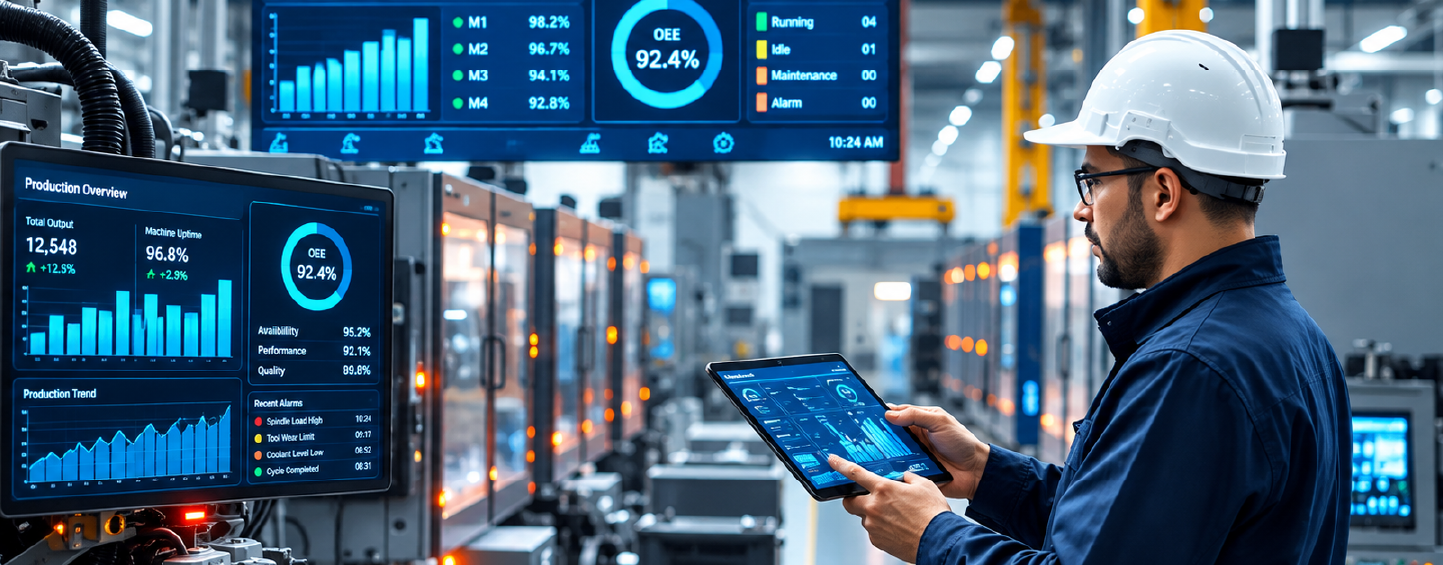
Industrial carbon capture infrastructure depends on continuous monitoring and operational visibility across transportation and storage assets.
Digital technologies support:
-
Real-time pipeline monitoring.
-
Leak detection.
-
Pressure monitoring.
-
Flow measurement.
-
Compression optimization.
-
Storage performance monitoring.
-
Asset integrity management.
-
Predictive maintenance.
These technologies improve operational reliability while strengthening safety across carbon transportation networks.
AI and Predictive Analytics Optimize Carbon Infrastructure
Artificial Intelligence is becoming increasingly valuable for managing complex carbon infrastructure.
AI applications include:
-
Pipeline performance optimization.
-
Carbon flow forecasting.
-
Equipment health monitoring.
-
Storage capacity forecasting.
-
Leak risk prediction.
-
Maintenance scheduling.
-
Operational anomaly detection.
Predictive analytics enables operators to identify infrastructure issues before they affect network performance.
Integrating Hydrogen and Carbon Infrastructure
Many industrial decarbonization projects combine hydrogen production with carbon capture infrastructure.
Integration opportunities include:
-
Blue hydrogen production.
-
Shared CO₂ transportation pipelines.
-
Carbon capture at hydrogen production facilities.
-
Industrial hydrogen hubs.
-
Shared storage infrastructure.
-
Integrated industrial decarbonization clusters.
This creates opportunities for industries to leverage common infrastructure investments across multiple decarbonization technologies.
Industrial Sectors Driving Carbon Capture Networks
Carbon capture infrastructure is expanding across multiple heavy industries.
Oil & Gas
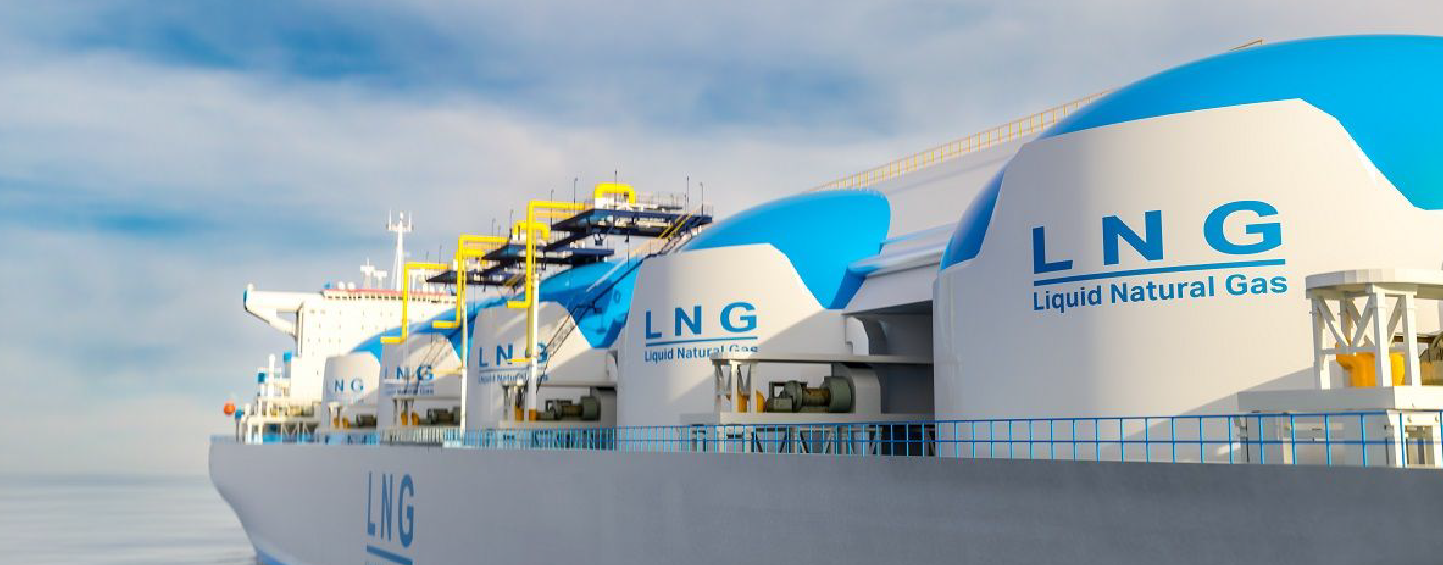
Refineries, gas processing facilities, LNG infrastructure, and upstream operations are integrating carbon capture technologies into existing operations.
Petrochemicals
Chemical manufacturing facilities use carbon capture to reduce emissions from high-temperature industrial processes.
Steel Manufacturing
Steel producers are evaluating carbon capture alongside hydrogen-based production pathways.
Cement Industry
Cement manufacturing remains one of the largest industrial sources of CO₂ emissions and is a major focus for CCUS deployment.
Fertilizers and Chemicals
Ammonia and chemical production facilities are increasingly incorporating carbon capture into low-carbon manufacturing strategies.
Asset Integrity Across CO₂ Infrastructure Networks
CO₂ transportation infrastructure requires specialized integrity management because carbon behaves differently from natural gas or crude oil in pipeline environments.
Integrity programs include:
-
Pipeline monitoring.
-
Corrosion management.
-
Compression equipment monitoring.
-
Valve inspections.
-
Leak detection systems.
-
Structural inspections.
-
Digital asset management.
-
Risk-based maintenance planning.
Maintaining asset integrity is essential for safe long-term carbon transportation.
Investment Opportunities Across the Carbon Value Chain
The expansion of industrial carbon capture networks is creating opportunities across infrastructure development and industrial technology.
Key investment areas include:
-
CO₂ pipeline infrastructure.
-
Carbon compression systems.
-
Carbon storage development.
-
Digital monitoring technologies.
-
Engineering and EPC services.
-
Asset integrity solutions.
-
Industrial automation.
-
Carbon measurement and verification platforms.
These investments support both emissions reduction and industrial infrastructure modernization.
Challenges in Building Shared Carbon Capture Networks
Despite growing momentum, scaling industrial carbon infrastructure presents several challenges.
Infrastructure Investment
Large regional networks require significant long-term capital investment.
Regulatory Coordination
Projects often involve multiple jurisdictions, industrial operators, and storage providers.
Storage Availability
Access to suitable geological storage sites varies by region.
Infrastructure Standardization
Pipeline specifications, monitoring requirements, and operational standards require alignment across projects.
Public and Industrial Collaboration
Successful carbon hubs depend on collaboration between governments, infrastructure developers, industrial companies, and technology providers.
Overcoming these challenges will be essential for accelerating regional CCUS deployment.
The Future of Industrial Carbon Capture Networks
Industrial carbon infrastructure is expected to evolve into interconnected regional networks supporting multiple industrial sectors simultaneously. Future developments will likely include expanded CO₂ pipeline corridors, offshore carbon storage projects, AI-enabled infrastructure monitoring, integrated hydrogen and carbon hubs, and digital carbon management platforms.
These connected ecosystems will allow industries to capture, transport, store, and monitor carbon emissions through shared infrastructure rather than isolated facilities.
As carbon management becomes a larger part of industrial strategy, network-based infrastructure will become increasingly important for scaling CCUS across North America.
Connecting Heavy Industry Through Shared Carbon Infrastructure
Industrial carbon capture networks represent the next phase of carbon management infrastructure. By connecting multiple industrial facilities through shared pipelines, storage hubs, monitoring systems, and digital infrastructure, organizations can create scalable pathways for reducing industrial emissions while improving infrastructure efficiency.
For heavy industries pursuing long-term decarbonization, shared CO₂ infrastructure provides opportunities to lower project costs, accelerate deployment, and strengthen regional industrial competitiveness.
As North America continues investing in carbon management, industrial carbon capture networks will become a foundational element of the region's low-carbon industrial future.
Explore the Future of Industrial Decarbonization
The North America Transition Summit by PTN Events brings together industrial operators, oil and gas companies, hydrogen developers, CCUS providers, infrastructure developers, policymakers, EPC contractors, and technology leaders to discuss the infrastructure driving industrial decarbonization.
Key discussion areas include carbon capture networks, CCUS infrastructure, hydrogen hubs, carbon storage, CO₂ transportation, industrial digitalization, heavy industry decarbonization, and low-carbon infrastructure investment.
Register for the conference:
https://ptnevents.com/conferences/north-american-transition/register