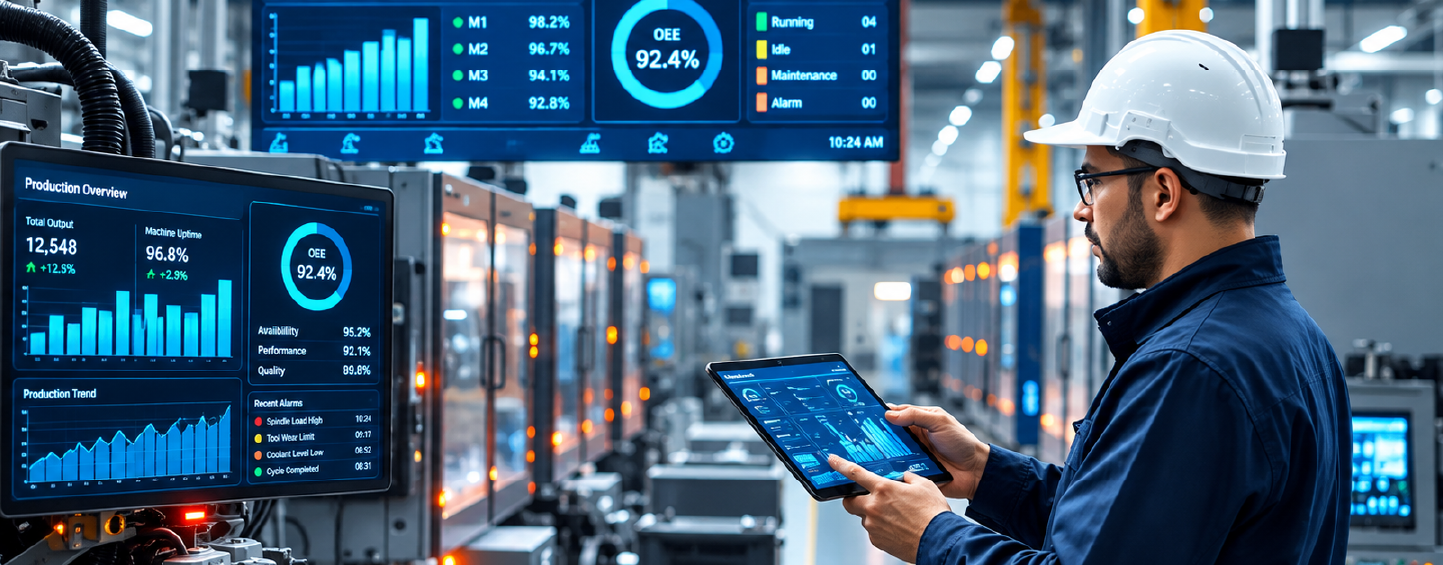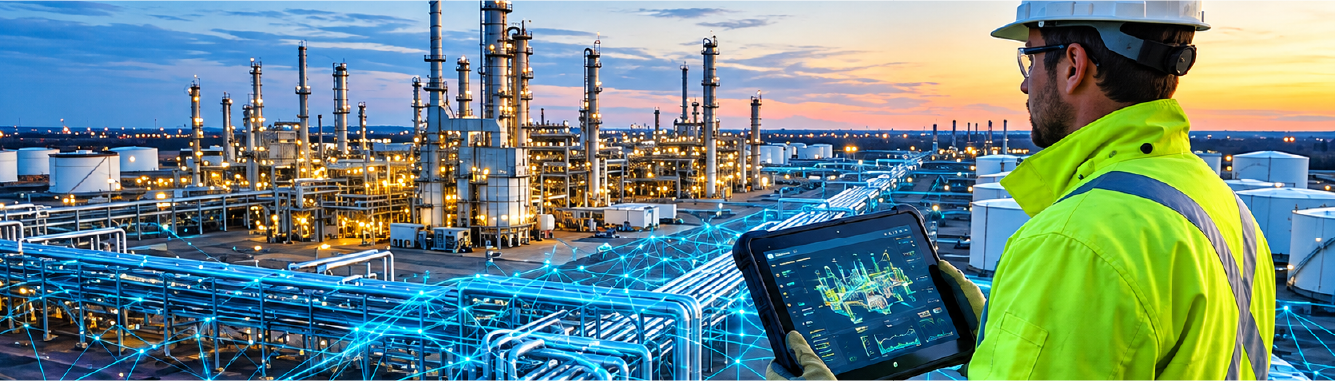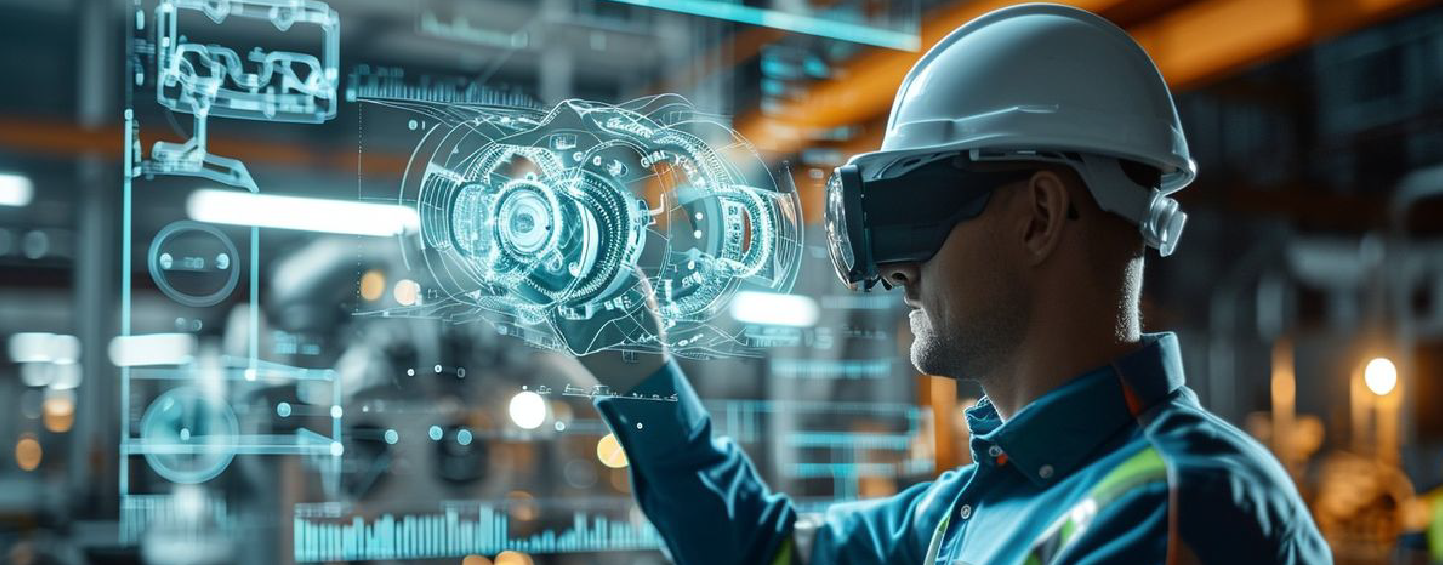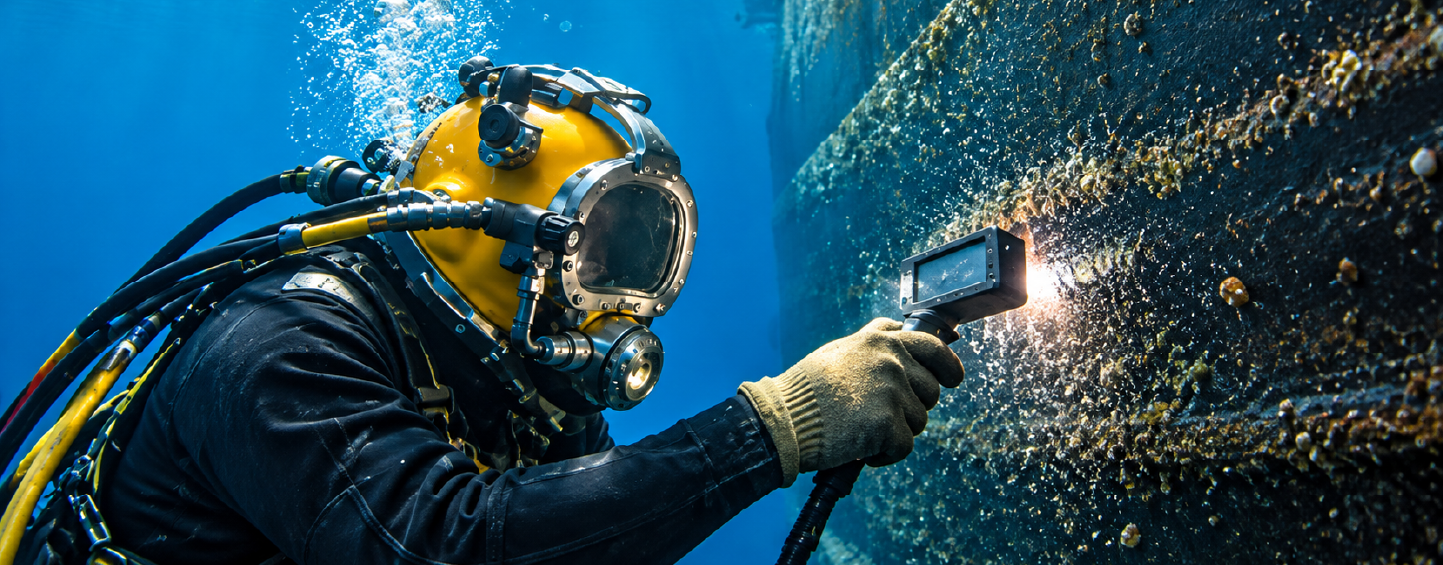
Offshore oil and gas operations are expanding into deeper waters and increasingly complex production environments, making asset inspection and integrity management more challenging than ever before. Subsea infrastructure—including pipelines, manifolds, risers, wellheads, flowlines, subsea trees, and production equipment—operates in harsh underwater conditions where corrosion, mechanical fatigue, marine growth, and structural degradation can affect long-term reliability. Ensuring the health of these critical assets has become essential for maintaining safe and uninterrupted offshore production.
Autonomous subsea inspection systems are transforming how operators monitor offshore infrastructure. Instead of relying solely on periodic inspections performed by divers or remotely operated vehicles, operators are increasingly deploying Autonomous Underwater Vehicles (AUVs), intelligent sensors, robotics, artificial intelligence, and real-time monitoring technologies to inspect subsea assets with greater accuracy and frequency. These technologies are improving asset visibility while reducing operational risks, inspection costs, and downtime across offshore facilities.
As offshore developments continue moving into deeper and more remote environments, autonomous inspection systems are becoming a key technology supporting the future of offshore asset monitoring.
Why Subsea Asset Monitoring Is Becoming More Critical
Offshore production infrastructure is expected to operate safely for decades while exposed to extreme environmental conditions beneath the ocean surface.
Critical subsea assets include:
-
Subsea production trees.
-
Wellheads.
-
Flowlines.
-
Pipelines.
-
Risers.
-
Manifolds.
-
Umbilicals.
-
Subsea valves and connectors.
Any undetected damage or equipment degradation can affect production performance, increase maintenance costs, and create significant operational and environmental risks. Continuous monitoring is therefore becoming increasingly important throughout the offshore asset lifecycle.
The Evolution From Traditional Inspection to Autonomous Monitoring
Conventional subsea inspections have traditionally relied on scheduled intervention campaigns using remotely operated vehicles (ROVs), inspection vessels, and offshore personnel.
Autonomous inspection systems are introducing a more proactive approach by enabling:
-
Continuous infrastructure monitoring.
-
Automated inspection missions.
-
High-resolution seabed mapping.
-
Pipeline integrity monitoring.
-
Equipment condition assessment.
-
Leak detection.
-
Structural inspection.
-
Digital inspection reporting.
Rather than inspecting assets only during planned maintenance windows, operators can collect operational intelligence throughout the year.
Autonomous Underwater Vehicles Are Transforming Offshore Inspections
Autonomous Underwater Vehicles (AUVs) are becoming one of the most important technologies for subsea inspection.
Unlike tethered ROVs, AUVs operate independently using onboard navigation systems and pre-programmed inspection routes.
AUVs can perform:
-
Pipeline surveys.
-
Seabed mapping.
-
Structural inspections.
-
Bathymetric surveys.
-
Corrosion monitoring.
-
Leak detection.
-
Environmental monitoring.
-
High-resolution imaging.
Their ability to cover long distances without continuous operator control makes them particularly valuable for deepwater infrastructure inspection.
Robotics Improve Access to Challenging Offshore Environments
Modern subsea robotics are expanding inspection capabilities beyond visual surveys.
Robotic systems now support:
-
Close visual inspection.
-
Ultrasonic thickness measurement.
-
Cathodic protection inspection.
-
Valve inspection.
-
Connector verification.
-
Marine growth assessment.
-
Structural deformation monitoring.
-
Intervention support.
These capabilities reduce the need for personnel to perform inspections in hazardous offshore environments while improving inspection quality.
AI and Computer Vision Enhance Inspection Accuracy
Artificial Intelligence is becoming increasingly important for analyzing the enormous volume of images, sonar data, and sensor information collected during subsea inspections.
AI-powered inspection systems can help identify:
-
Corrosion.
-
Cracks.
-
Coating damage.
-
Marine growth.
-
Structural anomalies.
-
Pipeline deformation.
-
Equipment degradation.
-
Leak indicators.
Computer vision algorithms can automatically classify inspection findings and prioritize assets requiring further investigation.
Digital Twins Support Continuous Asset Integrity Monitoring
Digital twins are creating virtual representations of subsea infrastructure using engineering models and live operational data.
Operators use digital twins to:
-
Track equipment condition.
-
Compare inspection history.
-
Simulate structural behavior.
-
Predict degradation trends.
-
Plan maintenance activities.
-
Assess remaining asset life.
By combining inspection data with digital twins, offshore teams gain a more comprehensive understanding of subsea asset health over time.
Real-Time Sensor Networks Improve Operational Visibility
Subsea monitoring is no longer limited to inspection campaigns. Permanent sensor networks provide continuous operational visibility into offshore infrastructure.
These systems monitor:
-
Pressure.
-
Temperature.
-
Vibration.
-
Flow conditions.
-
Corrosion rates.
-
Structural movement.
-
Pipeline integrity.
-
Environmental conditions.
Real-time operational data enables operators to identify abnormal conditions much earlier than periodic inspections alone.
Strengthening Pipeline Integrity Through Autonomous Monitoring
Subsea pipelines transport hydrocarbons across long offshore distances and require continuous integrity management.
Autonomous inspection technologies support pipeline integrity through:
-
Leak detection.
-
Route surveys.
-
Corrosion assessment.
-
Free-span detection.
-
Scour monitoring.
-
Seabed movement analysis.
-
Pipeline deformation monitoring.
Continuous monitoring helps operators reduce operational risks while improving maintenance planning and regulatory compliance.
Predictive Maintenance for Offshore Infrastructure
Autonomous inspection systems generate valuable data that supports predictive maintenance strategies.
Instead of relying on fixed inspection schedules, operators can prioritize maintenance using:
-
Asset condition.
-
Inspection history.
-
Sensor data.
-
Failure probability.
-
Risk assessments.
-
AI-driven degradation analysis.
This condition-based approach helps reduce unnecessary offshore interventions while improving asset availability.
Remote Offshore Operations Become More Efficient
Autonomous inspection technologies support centralized offshore operations centers by delivering inspection data directly to onshore engineering teams.
Benefits include:
-
Reduced offshore personnel requirements.
-
Faster inspection analysis.
-
Remote engineering collaboration.
-
Improved maintenance planning.
-
Continuous asset monitoring.
-
Better operational decision-making.
This approach is especially valuable for geographically distributed deepwater assets where inspection logistics are complex and costly.
Challenges in Deploying Autonomous Subsea Inspection Systems
Despite rapid technological progress, autonomous subsea inspection still presents several challenges.
Key considerations include:
-
Deepwater communication limitations.
-
Navigation accuracy.
-
Battery endurance for autonomous vehicles.
-
Integration with legacy offshore infrastructure.
-
Large inspection data volumes.
-
Cybersecurity for connected offshore systems.
-
Regulatory acceptance of autonomous inspection technologies.
Successfully deploying these systems requires integration between robotics, digital infrastructure, offshore engineering, and asset integrity programs.
The Future of Offshore Asset Monitoring
The future of offshore inspection is becoming increasingly autonomous, intelligent, and data-driven. Operators are expected to deploy larger fleets of autonomous underwater vehicles, AI-powered inspection platforms, permanent subsea sensor networks, digital twins, and predictive asset integrity systems across offshore developments.
Emerging technologies will enable:
-
Autonomous inspection scheduling.
-
AI-assisted defect recognition.
-
Continuous subsea monitoring.
-
Robotics-assisted intervention.
-
Integrated offshore digital operating centers.
-
Predictive subsea asset management.
These innovations will help offshore operators improve infrastructure reliability while reducing inspection costs and operational downtime.
Building Smarter Offshore Asset Integrity Strategies
Autonomous subsea inspection systems represent a major evolution in offshore asset monitoring. By combining robotics, artificial intelligence, real-time sensing, digital twins, and predictive analytics, operators can move from periodic inspections toward continuous infrastructure intelligence.
For offshore oil and gas companies, this means stronger asset integrity, improved safety, better maintenance planning, and greater operational resilience across deepwater production systems.
As offshore developments continue expanding into more challenging environments, autonomous subsea inspection will become an essential capability for protecting critical infrastructure and ensuring long-term production performance.
Explore the Future of Offshore Drilling & Production
The Offshore Drilling Conference & Exhibition by PTN Events brings together offshore operators, drilling companies, subsea specialists, robotics providers, technology innovators, EPC contractors, and industry experts to discuss the technologies shaping the future of offshore exploration and production.
Key discussion areas include subsea inspection systems, offshore robotics, deepwater drilling, subsea production systems, digital offshore technologies, asset integrity, autonomous underwater vehicles, predictive maintenance, and offshore operational excellence.
Register for the conference:
https://ptnevents.com/conferences/offshore-drilling