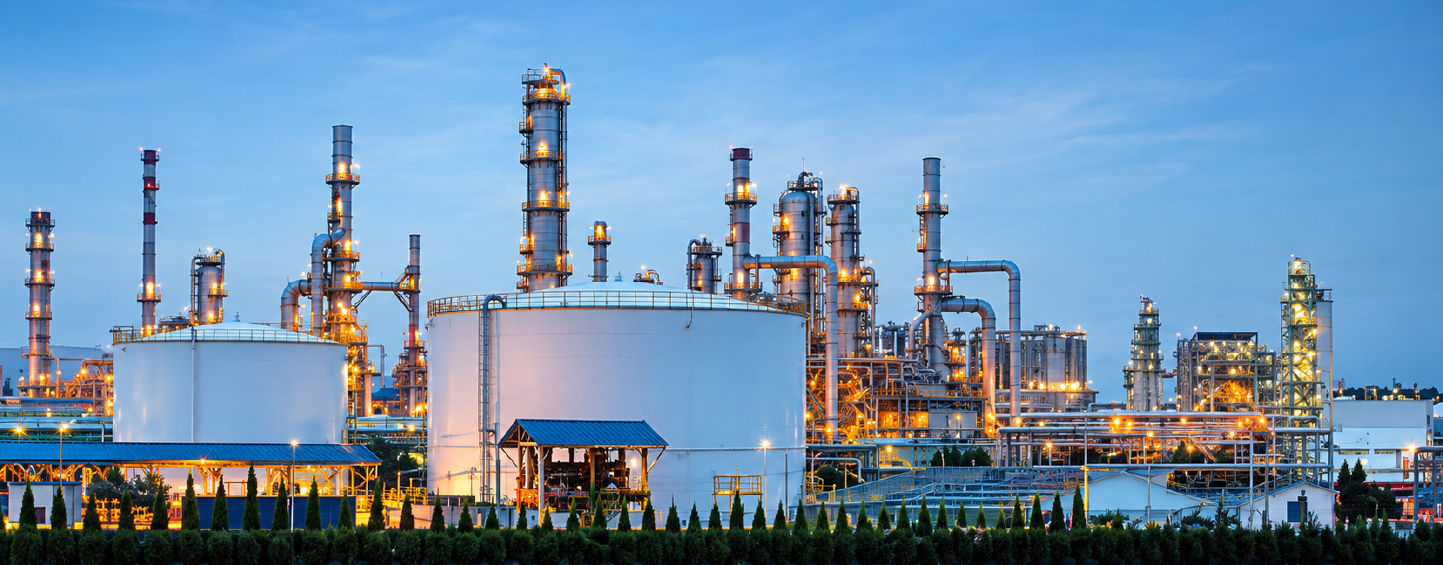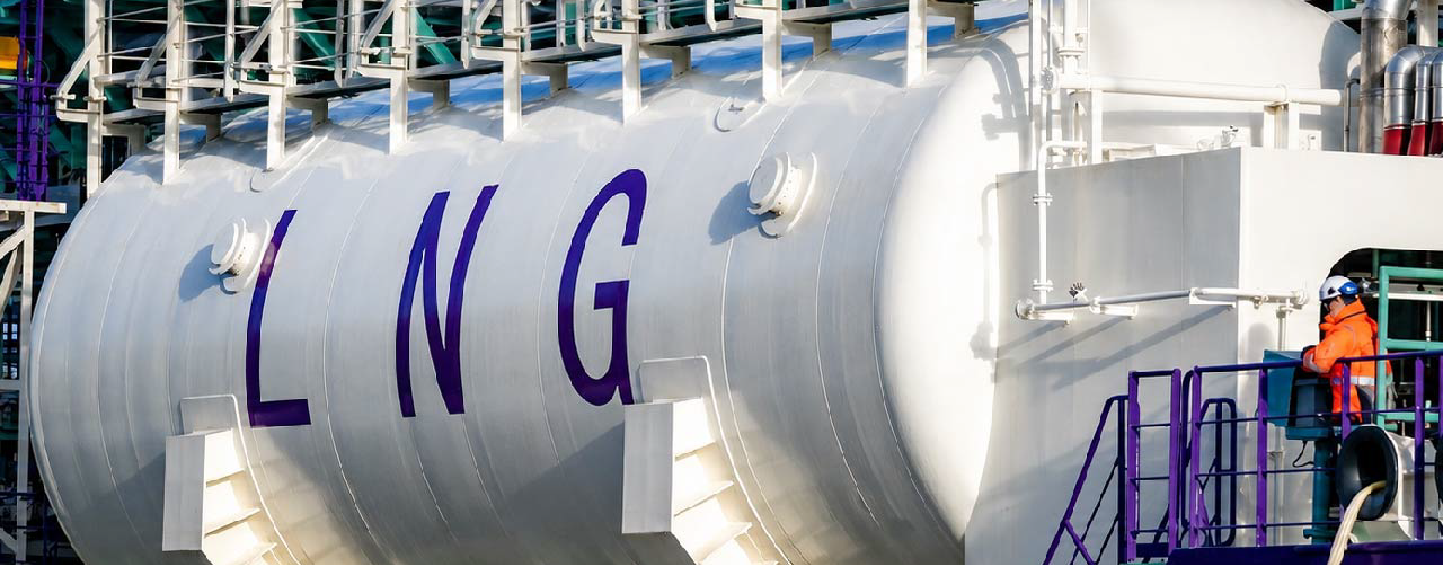
Liquefied Natural Gas (LNG) storage tanks are among the most critical assets within LNG import terminals, export facilities, liquefaction plants, and regasification infrastructure. Operating at temperatures around -162°C, these cryogenic storage systems are designed to safely store LNG while maintaining product quality, minimizing boil-off gas losses, and ensuring continuous supply across global LNG operations. As LNG infrastructure expands worldwide, maintaining the performance, reliability, and safety of cryogenic storage tanks has become a top operational priority.
Traditional monitoring approaches relied heavily on scheduled inspections and manual instrumentation reviews. Today, LNG operators are deploying cryogenic digital monitoring systems that combine Industrial IoT sensors, real-time analytics, predictive maintenance, AI-powered diagnostics, digital twins, and remote monitoring platforms to continuously assess storage tank health. These intelligent monitoring systems provide operators with greater visibility into cryogenic conditions, equipment integrity, pressure variations, temperature distribution, structural behavior, and operational performance.
As LNG terminals become increasingly digital, cryogenic monitoring technologies are enabling safer operations, improved asset reliability, and smarter infrastructure management across the LNG value chain.
Why Cryogenic Storage Tank Monitoring Is Critical
LNG storage tanks operate under extreme cryogenic conditions while handling large volumes of liquefied natural gas continuously.
Effective monitoring helps operators:
-
Maintain storage integrity.
-
Minimize boil-off gas generation.
-
Improve operational safety.
-
Detect abnormal operating conditions.
-
Protect cryogenic equipment.
-
Extend asset lifespan.
-
Support continuous terminal operations.
Even small changes in pressure, temperature, insulation performance, or structural behavior can affect overall storage efficiency and safety.
Understanding LNG Cryogenic Storage Infrastructure
Modern LNG terminals use highly engineered cryogenic storage systems designed for long-term operational reliability.
Critical storage infrastructure includes:
-
Full containment LNG storage tanks.
-
Inner and outer tank walls.
-
Cryogenic insulation systems.
-
Roof structures.
-
Pressure relief systems.
-
Level measurement equipment.
-
Boil-off gas systems.
-
Loading and unloading connections.
Each component requires continuous monitoring to ensure safe operation under cryogenic temperatures and varying operational conditions.
Digital Monitoring Creates Continuous Storage Visibility
Cryogenic digital monitoring systems collect operational information from thousands of sensors installed throughout LNG storage infrastructure.
Real-time monitoring includes:
-
Temperature distribution.
-
Tank pressure.
-
Liquid level measurement.
-
Structural movement.
-
Insulation performance.
-
Boil-off gas generation.
-
Valve position monitoring.
-
Equipment vibration.
Continuous visibility allows operators to identify operational deviations before they affect storage performance.
Industrial IoT Sensors Improve Cryogenic Monitoring
Industrial IoT technologies provide continuous measurement of cryogenic operating conditions throughout LNG terminals.
Connected sensors monitor:
-
Cryogenic temperatures.
-
Pressure fluctuations.
-
Tank wall conditions.
-
Foundation movement.
-
Pump performance.
-
Pipeline conditions.
-
Vapor management systems.
-
Environmental conditions.
These connected devices provide the operational data foundation required for predictive analytics and intelligent asset management.
Predictive Maintenance Protects Critical LNG Assets
Predictive maintenance allows LNG operators to identify equipment degradation before failures occur.
Cryogenic monitoring systems support predictive maintenance by analyzing:
-
Temperature trends.
-
Pressure behavior.
-
Pump vibration.
-
Valve performance.
-
Compressor condition.
-
Boil-off gas equipment health.
-
Historical maintenance records.
-
Operational anomalies.
This condition-based maintenance strategy reduces unplanned shutdowns while improving asset availability across LNG terminals.
Digital Twins Enhance LNG Storage Tank Performance
Digital twins provide virtual models of LNG storage tanks that continuously synchronize with live operational data.
Digital twins help operators:
-
Simulate cryogenic conditions.
-
Monitor structural integrity.
-
Predict insulation degradation.
-
Optimize boil-off gas management.
-
Support maintenance planning.
-
Evaluate operational scenarios.
-
Estimate remaining asset life.
This improves decision-making while reducing operational uncertainty across storage infrastructure.
Managing Boil-Off Gas More Efficiently
Boil-off gas is an important operational consideration for LNG storage facilities.
Digital monitoring systems help optimize boil-off gas management through:
-
Continuous pressure monitoring.
-
Temperature optimization.
-
Vapor generation forecasting.
-
Compressor performance monitoring.
-
Storage inventory optimization.
-
Energy efficiency analysis.
Smarter boil-off gas management improves operational efficiency while reducing unnecessary product losses.
Structural Health Monitoring Strengthens Tank Integrity
Cryogenic storage tanks experience thermal stress, pressure cycles, and environmental loading throughout their operational life.
Structural health monitoring includes:
-
Tank settlement monitoring.
-
Roof movement detection.
-
Foundation monitoring.
-
Strain measurement.
-
Crack detection.
-
Insulation integrity monitoring.
-
Corrosion monitoring.
-
Concrete performance assessment.
Continuous structural monitoring supports long-term asset integrity management.
AI and Analytics Improve Safety Monitoring
Artificial Intelligence enhances cryogenic monitoring by identifying patterns that indicate developing operational risks.
AI applications include:
-
Leak detection.
-
Pressure anomaly detection.
-
Temperature deviation analysis.
-
Equipment failure prediction.
-
Alarm prioritization.
-
Safety risk assessment.
-
Root cause analysis.
These capabilities allow operators to respond proactively before safety or operational issues escalate.
Remote Monitoring Supports Intelligent LNG Operations
Modern LNG terminals increasingly operate through centralized operations centers where engineering teams monitor multiple assets remotely.
Remote cryogenic monitoring enables:
-
Multi-terminal visibility.
-
Centralized alarm management.
-
Remote diagnostics.
-
Predictive maintenance planning.
-
Cross-site engineering collaboration.
-
Operational performance benchmarking.
This approach improves operational consistency across geographically distributed LNG infrastructure.
Integrating Monitoring Systems Across LNG Terminals
Cryogenic monitoring systems become more valuable when integrated with broader LNG operational platforms.
Connected systems include:
-
SCADA.
-
Distributed Control Systems (DCS).
-
Enterprise Asset Management (EAM).
-
Computerized Maintenance Management Systems (CMMS).
-
Digital operating centers.
-
Operational historians.
-
Industrial cloud platforms.
Integrated operational data improves collaboration between operations, maintenance, reliability, and engineering teams.
Cybersecurity Protects Connected LNG Infrastructure
Digital monitoring systems increase operational connectivity, making cybersecurity essential for LNG infrastructure.
Key protections include:
-
Secure Operational Technology networks.
-
Network segmentation.
-
Identity and access management.
-
Continuous threat monitoring.
-
Secure remote connectivity.
-
Industrial cybersecurity governance.
-
Data encryption.
Strong cybersecurity ensures reliable monitoring while protecting critical LNG infrastructure.
Challenges in Implementing Cryogenic Digital Monitoring Systems
Despite significant advantages, implementing intelligent monitoring systems requires careful planning.
Legacy Infrastructure Integration
Existing LNG terminals often require modernization of instrumentation and monitoring systems.
Sensor Reliability
Cryogenic environments require highly specialized monitoring equipment.
Data Quality
Predictive analytics depend on accurate and continuous operational measurements.
Workforce Skills
Operators increasingly require expertise in digital asset monitoring and industrial analytics.
Infrastructure Scalability
Monitoring systems must support expanding LNG storage capacity and future terminal growth.
Organizations typically adopt phased implementation strategies to modernize cryogenic monitoring while maintaining operational continuity.
The Future of Intelligent LNG Storage Monitoring
Cryogenic monitoring is evolving toward autonomous, AI-assisted operational environments that continuously optimize storage performance and safety.
Future technologies will include:
-
AI-powered cryogenic diagnostics.
-
Autonomous inspection robots.
-
Digital twins for storage infrastructure.
-
Predictive boil-off gas optimization.
-
Intelligent structural monitoring.
-
Cloud-connected LNG operations centers.
-
Real-time infrastructure health scoring.
These innovations will help LNG operators improve reliability while supporting safer and more efficient terminal operations.
Building Smarter and Safer LNG Storage Infrastructure
Cryogenic digital monitoring systems are transforming LNG storage from reactive infrastructure management into intelligent, continuously monitored operations. By combining Industrial IoT, AI, predictive maintenance, digital twins, structural health monitoring, and real-time analytics, LNG operators gain deeper operational visibility while protecting some of the industry's most critical assets.
As LNG infrastructure continues expanding globally, intelligent cryogenic monitoring will become essential for improving storage tank performance, minimizing operational risk, extending asset life, and ensuring safe LNG operations across import and export terminals.
Explore the Future of LNG Infrastructure & Operations
The LNG Americas Conference by PTN Events brings together LNG producers, terminal operators, infrastructure developers, EPC contractors, technology providers, reliability engineers, and industry leaders to discuss innovations transforming LNG infrastructure and operations.
Key discussion areas include cryogenic monitoring systems, LNG storage tanks, predictive maintenance, digital twins, Industrial IoT, terminal automation, LNG asset integrity, operational safety, and intelligent LNG infrastructure.
Register for the conference:
https://ptnevents.com/conferences/lng-americas/register