Official Agenda 2026
Download agenda .pdfEvent will take place in Houston, TX, USA (GMT-5) time zone.
07:00 - 09:00
Registration & Refreshment Networking

09:00 - 09:30
Session booked for Zoho
09:30 - 10:00
Reconnecting AI to Reality: How Process Analysers Enable the Intelligent, Flexible and Low-Carbon Refinery
- Connecting real-time process analyser data with AI and digital twin environments.
- Using continuous hydrocarbon composition and quality measurements to improve refinery optimization.
- Combining predictive modelling and AI with engineering knowledge and physical operating constraints.
- Applying Deep Reinforcement Learning to adapt optimization decisions to changing plant conditions.
- Improving energy efficiency, product consistency, asset utilization, and overall refinery flexibility.


10:00 - 10:30
They Didn't Hack In, They Logged In: BeyondTrust on Closing the Identity and Privilege Gaps in OT
- The most consequential OT incidents of the last few years didn't start with an exotic zero-day; they started with access that was already there.
- This session walks a real, phase-by-phase attack chain from 2026, including a coordinated strike on U.S. critical infrastructure and a very different AI-driven failure from the same month that shares the exact same root cause.
- Walk away with five control categories that would have stopped both, no new technology required.
- The hard part was never finding the problem. It's what you do next.


10:30 - 11:00
Turning Data to Action: Converting SCADA Signals Into Automatically Dispatched, Verified, Auto-Approved Field Work
- The Opportunity: SCADA tells you the tank is filling. It doesn't dispatch the truck, verify the load, or approve the ticket. That gap is where the cost sits.
- How It Works: Predictive, automated job creation and dispatch from SCADA readings, multi-point validation against GPS and metered volumes, and automated ticket approval into accounting systems.
- The Results: How we save >15% on hauling costs, learnings from multiple field deployments, and what does the future look like for automated SCADA workflows?


11:00 - 11:30
The Prediction Layer: Why the Future of BI Is Not a Better Dashboard Session
- Moving from descriptive analytics to predictive and prescriptive operational intelligence.
- Embedding AI-driven forecasting into existing BI and operational systems without replacing legacy infrastructure.
- Using predictive intelligence to anticipate equipment failures, supply chain disruptions, and capital allocation risks.
- Designing decision workflows that deliver the right insights to the right leaders in real time.
- Measuring the impact of AI through faster decisions, improved operational performance, and reduced downtime.


11:30 - 12:00
A practical path to safer, more resilient, data-driven operations using edge computing, sovereign AI, and a proven cloud partner.
- Using edge computing and sovereign AI to strengthen safety, resilience, and operational efficiency.
- Aligning digital technologies with existing processes and organizational culture.
- Applying a connect, compute, protect, and learn approach to unlock real-time operational insights.
- Improving decision-making through integrated, secure, and data-driven operations.
- Building scalable digital operations through proven cloud capabilities and predictable economics.


13:00 - 13:30
Fence-to-fence connectivity: Connecting every asset, every operation, every opportunity
- Building the connectivity foundation for AI, automation, and Industrial IoT.
- Connecting every asset and operation across the oil & gas value chain.
- Enabling connectivity across petrochemical, upstream, and downstream operations.
- Exploring how leading operators are using connectivity to unlock new operational opportunities.
- Creating the infrastructure needed to support AI and automation at scale.


13:30 - 14:00
Industrial AI Without Accountability: Why AI Initiatives Fail to Scale and How Energy Leaders Can Turn Innovation Into Impact
- The energy industry is rapidly investing in AI, automation, and advanced analytics, but many organizations are discovering that successful transformation requires more than deploying new technology. Without clear ownership, governance, operational alignment, and measurable business outcomes, AI initiatives often remain disconnected pilots rather than enterprise-wide drivers of performance.
- Drawing from more than 30 years of leadership experience across energy, technology, and enterprise transformation, including global leadership roles at Halliburton Landmark Services, Steve Senterfit explores why industrial AI efforts stall and what leaders can do differently. This session will examine how oil and gas organizations can create accountability frameworks that connect AI investments to operational priorities, workforce adoption, and measurable value creation.
- Why AI initiatives fail when accountability and ownership are unclear


14:00 - 14:30
AI PEOPLE Transformation, Building the Human Operating System for Intelligent Energy
- The Human Side of AI Adoption: Why successful AI and digital transformation depend on leadership, trust, culture, and workforce readiness, not technology alone.
- Preparing the Workforce for Intelligent Operations: How organizations can reskill and upskill employees to work effectively alongside AI, automation, and emerging technologies.
- From Resistance to Readiness: The critical role of Organizational Change Management in accelerating adoption and reducing resistance to digital transformation.
- From Industry 4.0 to Industry 5.0: Why the future of Oil & Gas must balance advanced technology with human-centric leadership, collaboration, and sustainable workforce development.


15:00 - 15:30
From Prompt to Plant: Leveraging AI and Automation to Accelerate Process Design, Reduce Engineering Bottlenecks, and Unlock Millions in Industrial Optimization
- How AI-powered engineering tools can reduce early-stage process design time from weeks to minutes while improving consistency, collaboration, and iteration speed across multidisciplinary teams.
- Why even a 1–2% missed optimization in production, energy efficiency, or emissions can cost industrial plants millions annually—and how automation helps capture that value.
- A practical roadmap for integrating AI-driven digital workflows into existing oil & gas and industrial environments without disrupting legacy systems like Aspen, DWSIM, or traditional engineering tools.


15:30 - 16:00
From Connected Assets to Decision Systems: AI, IoT and the Economics of Industrial Digitalization
- Transitioning from connected assets and IoT deployments to enterprise-wide decision systems.
- Building scalable edge-to-cloud architectures for reliable industrial AI and automation.
- Integrating AI, IoT, digital twins, and operational data into resilient digital operating models.
- Strengthening governance, cybersecurity, and data reliability for production-scale digitalization.
- Measuring the economic value of industrial AI through improved efficiency, reliability, and operational performance.


16:00 - 16:30
Digital Roadmap for Oilfields: From Analytics to Optimization
- Building a structured digital roadmap for oilfield transformation.
- Moving from data and descriptive analytics toward predictive and prescriptive optimization.
- Connecting field data, assets, analytics, and operational workflows.
- Using automation and digital technologies to improve production and asset performance.
- Aligning digital investments with operational priorities and measurable business value.


07:00 - 09:00
Registration & Refreshment Networking
09:00 - 09:30
Available Session
09:30 - 10:00
Available Session [Highest Engagement Slot]
10:00 - 10:30
Rethinking Data Movement in Oil & Gas
- AI's appetite for data is widening the attack surface
- Zero Trust in OT means minimizing inbound connectivity
- Security enables transformation


10:30 - 11:00
Available Session [Highest Engagement Slot]
11:00 - 11:30
Data Fracking: Unlocking document Intelligence for Operational Excellence
- Understanding why document fragmentation remains a major barrier to intelligent oil and gas operations.
- Introducing “data fracking” as an approach to extracting and contextualizing knowledge from legacy documents.
- Connecting document intelligence with digital twins, agentic AI, and other operational applications.
- Distinguishing between the data foundation and the intelligence layer required to create usable operational insights.


11:30 - 12:00
Connecting Seismic, Wells and Decisions: A Digital Roadmap for Subsurface Optimization
- Start with the business decision, not the algorithm, when developing oilfield AI initiatives.
- Apply the five-stage roadmap: describe ? diagnose ? predict ? prescribe ? self-optimize.
- Connect seismic and well data into a continuous learning loop that improves future drilling decisions.
- Use machine learning to accelerate seismic interpretation, automate data quality checks, and predict missing well logs.
- Build a 36-month implementation roadmap with KPIs that connect technical improvements to measurable business value.
- Increase AI automation and decision-making authority progressively as the technology earns operational trust.
- Identify and avoid the five common failure points that can prevent digital and AI programmes from delivering value.


13:00 - 13:30
Go-Live Is Day One: Three Leadership Moves That Turn Oil and Gas AI Investment Into Field Results
- Identify hidden costs and operational barriers that can undermine the expected returns from AI investments.
- Recognize field-level behaviors that indicate whether new AI-enabled workflows are being successfully adopted.
- Establish leadership routines that turn AI-enabled processes into sustainable day-to-day operating practices.
- Align people, processes, and technology to accelerate AI adoption and improve field execution.
- Measure AI initiatives against tangible operational outcomes rather than technology deployment alone.


13:30 - 14:00
Business Transformation for Large Corporations – Where Testing Connects
- Testing as a Strategic Enabler
- Ensuring End-to-End Process Integrity
- Data Quality & Migration Readiness
- Connecting People, Process, and Technology


14:00 - 15:00
Investing in Digitalization: AI/ML, IoT, Big Data, Wearables, Cybersecurity and More










15:30 - 16:00
Leading Through Digital Transformation: Why Technology, People, and Leadership Must Evolve Together to Drive Meaningful Change in Oil and Gas
- The Human Side of Digital Transformation
- As automation and artificial intelligence reshape oil and gas operations, organizations must address the human challenges of change, including resistance, uncertainty, communication, and evolving workforce expectations.
- Bridging the Gap Between Technology and Leadership
- Successful digital transformation requires leaders who can connect technical innovation with organizational strategy, establish accountability, build trust, and help teams adapt to new ways of working.
- Building a Workforce Ready for What's Next
- Explore practical approaches to developing adaptable teams, strengthening cross-functional collaboration, and creating a culture where employees embrace innovation while maintaining operational excellence and long-term organizational performance.
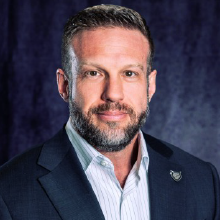

16:00 - 16:30
Insight Isn’t Enough: Engineering Trust in the Age of AI Analytics
- Building trusted AI analytics systems through strong data quality and governance foundations.
- Ensuring explainability, lineage, and validation across AI-driven operational decisions.
- Integrating human oversight into AI and automation workflows for decision confidence.
- Scaling AI from experimentation to reliable, decision-ready production systems.
- Delivering measurable business outcomes through transparent and accountable AI adoption in asset-intensive industries.